Cryptoupdated 11m ago2 min read
Archive photo · 2 August 2021Germany’s Bundestag Approves Customs Crypto Freezes Above €100,000 Without Criminal Case
“Movie2k judge proposes Bitcoin deal”
“Permanent confiscation would still take a finance-court judgment.”
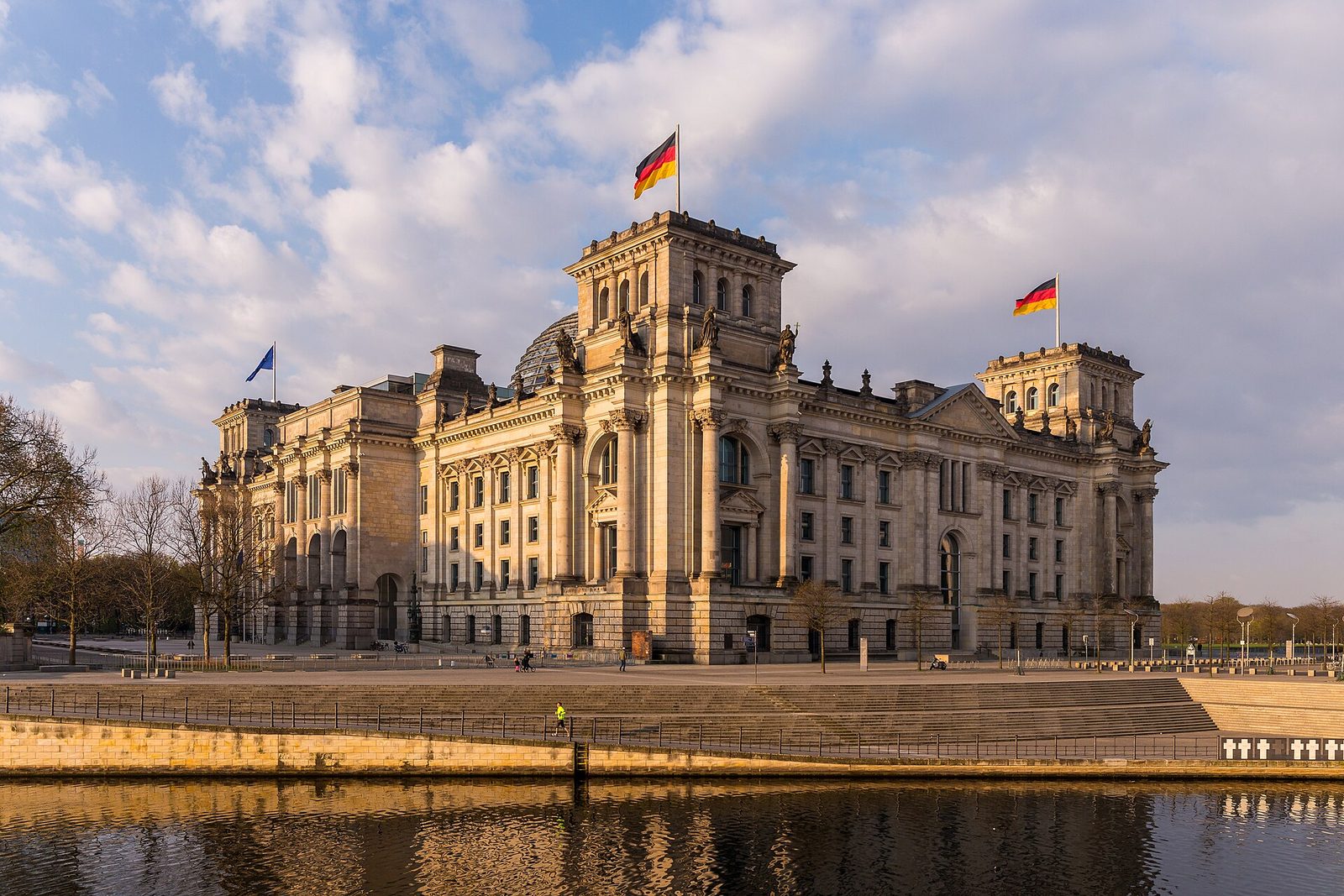
Photo: Jörg Braukmann, CC BY-SA 4.0 · Cropped for layout
This article is an automated aggregation of coverage from news outlets. Our editorials offer in-depth analysis curated by the NewsCord team.
Bundestag approved allowing customs to freeze crypto and assets over €100,000 without a criminal case The freeze can last 30 days with court oversight for extensions and disputed confiscation
Save coverage image
Customs can freeze crypto
Germany’s Bundestag approved a bill that would let customs officers freeze cryptocurrency and other assets worth more than €100,000 when their lawful origin looks doubtful, without first opening a criminal case.
The bill would cover assets beyond digital holdings, including cash and real estate, and it would also apply to registered property such as vehicles and buildings at a lower threshold of €50,000.
The measure would allow customs to secure qualifying holdings for an initial 30 days while investigators examine provenance, and a finance court could grant a single extension of up to 150 days.
The bill also said freezing would not transfer ownership, because permanent confiscation would require a separate finance court ruling that the assets were unlawfully obtained.
The Bundestag vote split the chamber, with the governing coalition and the far-right Alternative for Germany backing the bill, The Left opposing it, and The Greens abstaining, while the bill still needed the Bundesrat’s consent before it could take effect on Jan. 1, 2027.
Legal groups push back
Germany’s Federal Bar Association, BRAK, opposed the plan and said the draft defines unlawful origin too loosely and leaves authorities excessive room to question how assets were acquired. BRAK argued that missing paperwork should not by itself be read as proof of illegal activity, and it warned that the draft imposes no general duty on holders to cooperate with ownership inquiries. The German Bar Association, DAV, also rejected the proposal and criticized what it called an expansion of customs powers and a shift of police functions to the customs service.
DAV said authorities could step in whenever an asset’s lawful origin appears "not plausible," while the government countered that people holding substantial assets should generally be able to explain where they came from. Andrew Withworth, founder and director of London-based regulatory advisory firm Global Policy, said the practical question for crypto holders is what will count as proof of lawful origin, calling it a question for German finance courts rather than EU crypto regulation.
Next hurdle: Bundesrat
The bill still required the Bundesrat’s consent, and its outcome would determine whether the Jan. 1, 2027 start date holds.
The Bundestag approved the measure as part of a wider package aimed at money laundering and organized crime, and it also proposed specialist money-laundering units and tighter cross-border monitoring of digital payment channels.
In the Bundestag debate, Social Democrat Ingo Vogel told lawmakers that criminally acquired assets do not enjoy constitutional property protection and said the bill was "no automatic confiscation" and "no blanket reversal of the burden of proof."
The Bundesrat had asked for a true burden-of-proof reversal and for the court extension to run up to 12 months, but the government refused the fuller reversal and did not adopt the longer hold in the bill the Bundestag approved.
Cointelegraph also described Germany’s prior crypto seizures under existing law, including Saxony authorities selling 49,858 Bitcoin linked to the Movie2k piracy investigation in 2024, raising about 2.6 billion euros, or $2.8 billion.