Britain04 September, 20262 min read
British Army Told To Halt Non-Essential Collective Training Exercises To Save Money
This article is an automated aggregation of coverage from news outlets. Our editorials offer in-depth analysis curated by the NewsCord team.
UK-based units not deploying have non-essential collective training suspended due to budget pressures. Troops preparing for deployment or on deployments, standby, or quick-reaction continue training as normal.
5 outlets told this the same way.
Training paused for savings
The British army has been told to halt non-essential training exercises in an effort to save money, while troops preparing to be deployed or on deployments, those on standby or in a quick-reaction role will continue to train as normal. The suspension targets collective training exercises for UK-based units for most of this year amid budget pressures, including exercises involving tanks and Apache helicopters.
“‘Our training continues and we are prioritising activity that contributes most directly to readiness, deployability and operational effectiveness.”
A defence source said the pause is expected to continue for most of this year, and that units back in the UK and not preparing for a specific deployment have been told to cut back on collective training exercises due to financial pressures. The Army says it is prioritising training informed by lessons from the war in Ukraine, including drone warfare and modernisation, and an Army spokesperson said: “Our training continues and we are prioritising activity that contributes most directly to readiness, deployability and operational effectiveness.”
Burnham faces spending pressure
Prime Minister Andy Burnham faces pressure to increase defence spending to 3% of national income by 2030, rising to 3.5% by 2035, as collective training is suspended for most of this year. The chair of the Commons defence select committee, Labour MP Tan Singh Dhesi, urged Burnham to “urgently commit to charting a pathway to reaching 3% of GDP spend on defence by 2030 which, as his chancellor rightly noted, is critical to keeping our country safe”.
The BBC said the government is increasing defence spending to 2.5% of national income by next year, but is under growing pressure to reach a target of 3% by the end of the decade. In Prime Minister’s Questions, the BBC reported the prime minister replied: "I've made that commitment very clear, and I have done for a considerable period of time."
What training cuts mean
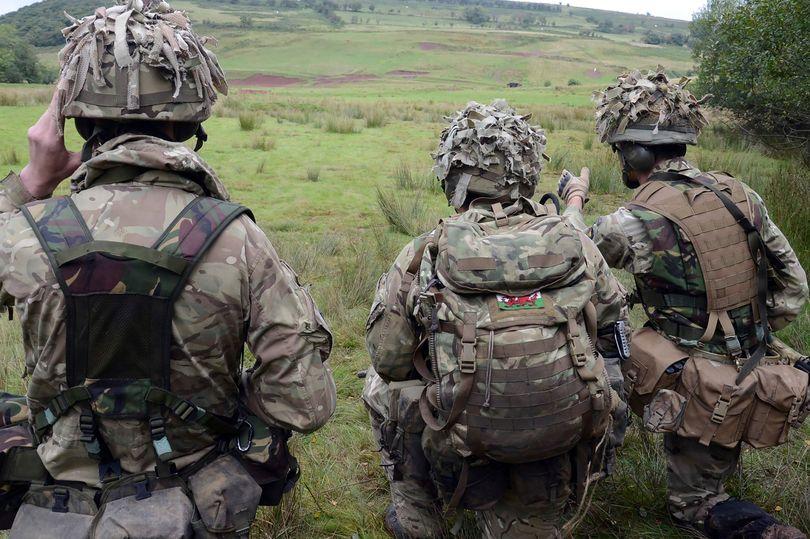
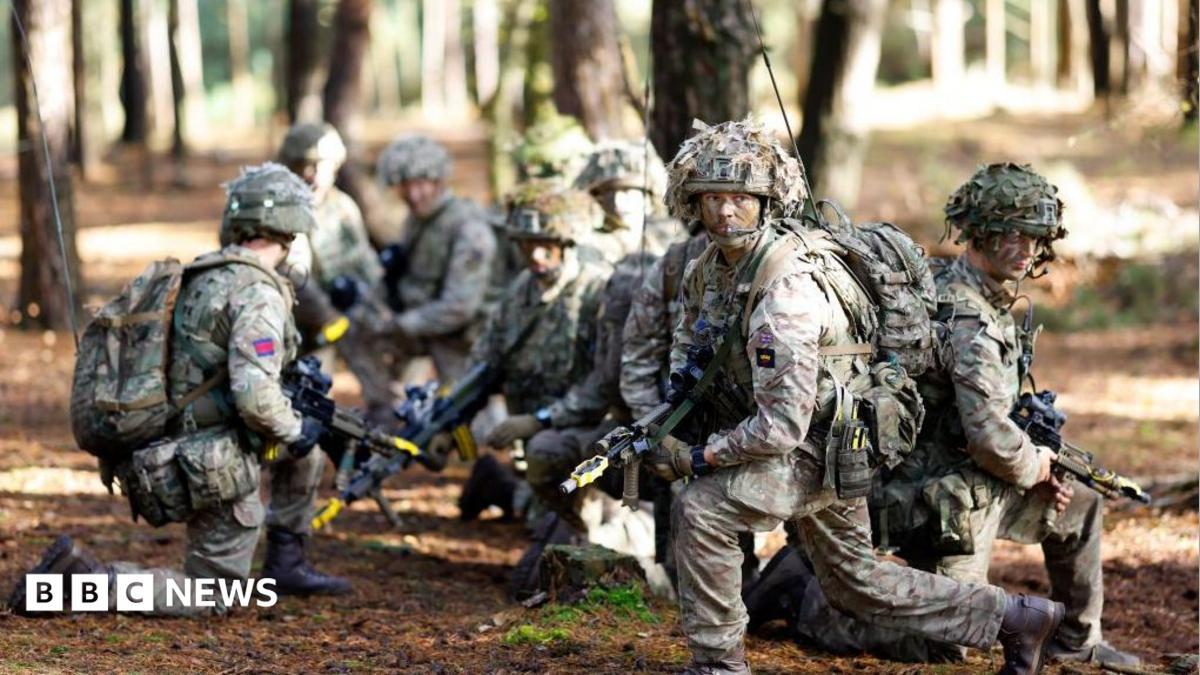
The defence source described the cancelled work as “nice to have training”, including large live fire exercises and rehearsing platoon attacks in UK training areas like Salisbury Plain in Wiltshire and Sennybridge in Wales. The BBC said planned exercises due to be cancelled included one involving the Royal Tank Regiment conducting live fire drills in Wales and a separate exercise involving tanks and Apache helicopters.
The Guardian said the army did not deny the cuts and said a training regime informed by lessons from the Ukraine conflict—such as on drone warfare and modernisation—was being prioritised, while also investing £2bn to transform training for the British army over the next 15 years. With the Ministry of Defence still struggling to fund all its investment plans, the BBC said much of the new money has been earmarked for specific capital projects, including new weapons programmes, leaving the part of the MoD’s budget for training “still under significant pressure.”