Gaza Genocide03 June, 20263 min read
Britons Protest Cost Of Living as NHS Staff Join Strikes in the United Kingdom
This article is an automated aggregation of coverage from news outlets. Our editorials offer in-depth analysis curated by the NewsCord team.
Tens of thousands protested across the UK over rising living costs. Healthcare sector strikes highlighted by the protests and calls for funding.
UK strikes and Gaza-linked hunger
In the United Kingdom, the mobilization continued to gain momentum as tens of thousands of Britons took to the streets on Thursday, July 20 to denounce the rise in the cost of living, with healthcare staff of the National Health Service (NHS) among the most represented in the marches.
The L'Express report said the NHS celebrated its 75th anniversary in early July but, according to unions, risks not reaching its 80th birthday if nothing changes, while the president of the Royal College of Emergency Medicine warned that waiting times would cause the death of nearly 500 patients per week.
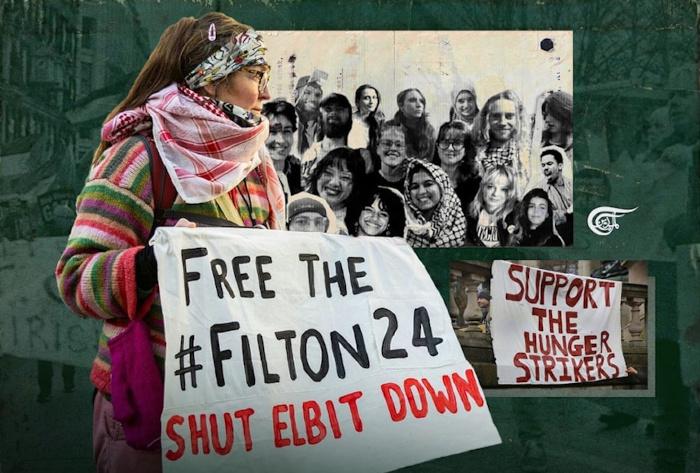
In parallel, Chronique de Palestine said eight Palestinian prisoners held in British prisons entered a critical phase of their hunger strike, with some entering their 38th day without food, and it described health professionals warning the activists risk potentially life-threatening medical complications.
The same report quoted Dr. James Smith, an NHS emergency physician, saying, "after about six to eight weeks of hunger striking, the risk of death is very, very high."
Chronique de Palestine also reported that the hunger strikers are held in several prison facilities, including HMP Bronzefield and HMP Pentonville, and it cited Qesser Zuhrah at the 38th day of her hunger strike losing a lot of weight and being unable to sleep.
Palestinian strikes spread across services
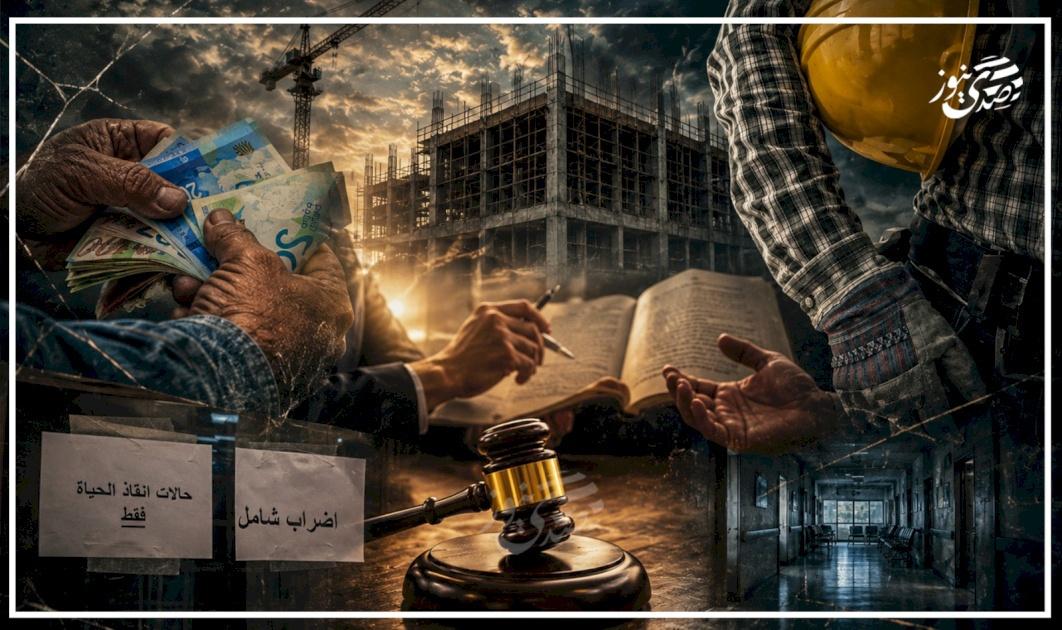
In Palestine,وكالة صدى نيوز described a labor-union crisis in which protests widened to reach vital sectors of the state as thousands of civil servants faced financial and living pressures after wage cuts and payments amounting to no more than 2,000 shekels. The report said doctors’ union president Salah al-Haashlamoon told radio interviews, "The government will see things it did not expect from the doctors," as doctors announced large-scale protest measures that triggered work stoppages in health care centers and limited public hospital services to emergencies and life-saving operations. It added that the Health Professions Union, representing nurses, laboratory technicians, radiology and physiotherapy, announced a partial strike, while engineers’ union declared a general and open strike in all government and military institutions.
The same source said the judiciary system saw a state of stagnation after the suspension of activities of ordinary courts, and it reported that the payment of 5,000 shekels to members of the judiciary sparked broad controversy in the union milieu. Mondoweiss, meanwhile, described the emergency section of the Palestine Medical Complex in Ramallah as too calm for the city’s largest public hospital, with fewer than ten people in the waiting hall and the laboratory closed due to the strike.

Financial siege and what’s at risk
Mondoweiss said Palestinian public doctors had been on strike for six months, demanding their salaries be paid in full in light of Palestinian Authority budget cuts tied to Israel’s continued withholding of Palestinian customs money since October 2023, and it framed the situation as turning economic hardship into a full-blown crisis. The report said the PA had been paying incomplete salaries to all public employees while reducing service hours across several sectors, especially in healthcare, and it quoted the head of the doctors’ union telling Raya FM that the union was "not engaging in any communication with the government." It also quoted the union’s position that "medical service to patients cannot be reduced," and said doctors were ready to return to full service hours if their salaries were fully paid.
In the same account, Abeer described waiting for results and then going to a private doctor because "there aren’t any doctors here," while Jeries said, "The laboratory is right here, one corridor away, but it’s closed due to the strike." Mondoweiss added that a 23-year-old man came to the PRCS hospital with a torn hand tendon after waiting to be seen by a doctor at the public hospital and ended up paying 600 shekels for treatment, while Ayah said that if he had come directly to the PRCS his condition wouldn’t have deteriorated and he would have only paid 90 shekels.