Full story
UN heritage in danger
UNESCO placed six sites on its World Heritage in Danger list under an emergency procedure on Friday, adding the West Bank site of Sebastia and five castles in Lebanon’s Mount Amel region to both the World Heritage List and the endangered list.
“UNESCO has added sites in the occupied West Bank and Lebanon to the list of endangered World Heritage sites, despite Israeli objections”
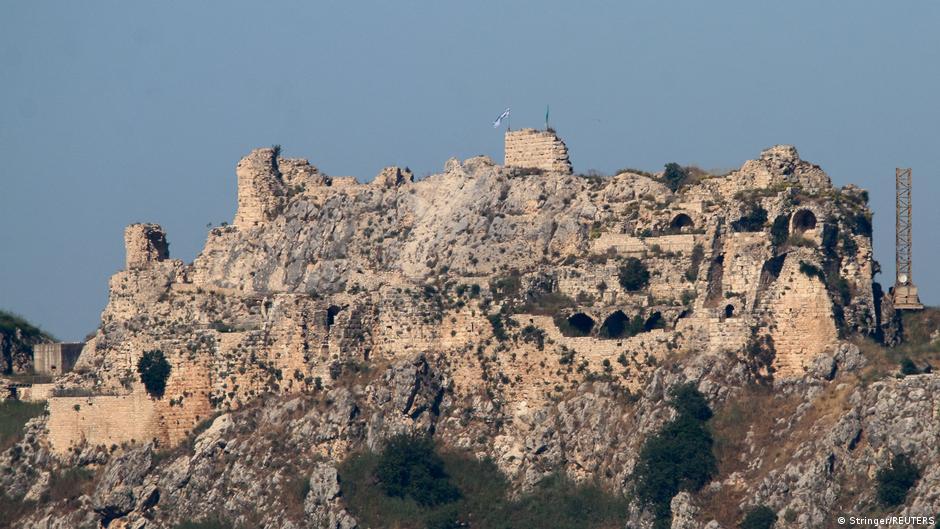
In Lebanon, Beaufort Castle—also known as Qalaat al-Shakif—was captured by Israeli forces in May during their war with Hezbollah, and UNESCO said the fortresses had sustained damage and faced ongoing threats “serious enough to justify resorting to an emergency procedure.”

In the West Bank, UNESCO said Sebastia’s integrity is threatened by “an expropriation project aimed at subdividing the property and creating the 'Samaria' (Shomron) National Park,” and the site is near the West Bank city of Nablus.
Palestinian officials said the emergency listing was adopted during the 48th session of the World Heritage Committee in Busan, South Korea, and Wafa cited Tourism and Antiquities Minister Hani al-Hayek as welcoming the designation.
Israel’s foreign minister Gideon Saar rejected the move, calling the listing of Sebastia “an attempt to rewrite history” and accusing UNESCO of seeking to “erase and deny the Jewish people’s connection to this land.”
Quotes and competing narratives
Lebanon’s Culture Minister Ghassan Salame told AFP that only two of the castles were “within the Lebanese government's reach,” and he described the UNESCO listing as “a remarkable achievement in the effort to protect these important Lebanese historical landmarks.”
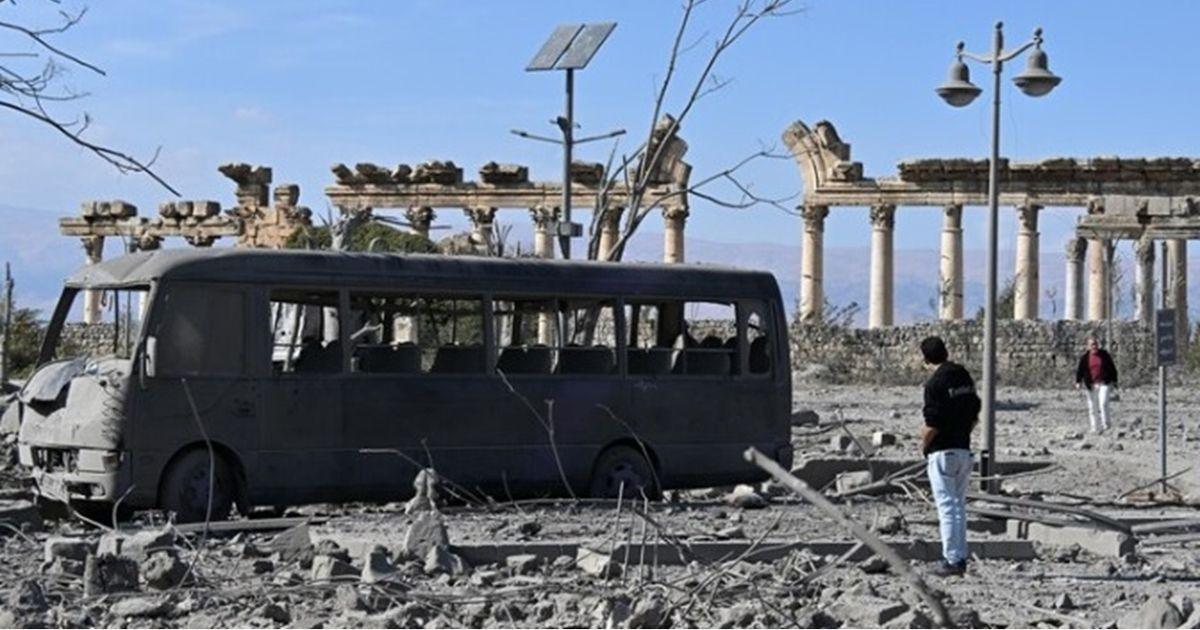
Salame also said the “Sham Castle has been destroyed,” while “the Al-Shqif fortress is threatened with detonation, according to recent statements by the Israeli army, and it is currently occupied.”
Israel’s Foreign Ministry urged the UNESCO committee to reject the designation efforts, calling the nominations a “weaponization of cultural heritage,” and a member of the Israeli delegation said “shame politicization has ruined UNESCO and led to mockery of history.”
In the West Bank, a Palestinian delegate credited Sebastia’s residents with protecting the site “despite occupation, restrictions” and repeated attempts to sever their ties.
Al Jazeera reported that the Palestinian delegation first sought the listing in 2012 and that the proposed project would add a fence, entry fees and a road restricted to use by Israelis, bypassing the Palestinian tourism trade built around the ruins.
What’s at stake next
UNESCO said the decision covers five historic castles in the Jabal Amel area—al-Shuqif (Arnoun), Tebnin, Doubiya (Shaqra), Deir Qifa, and Sham—and that their main elements dating from the 12th century “have suffered damage” and face “threats” arising from the ongoing armed conflict.
“Gift this articleShare to FacebookPrint article Article printing is available to subscribers only Print in a simple, ad-free format Subscribe Comments: SaveZen Reading Zen reading is available to subscribers only Ad-free and in a comfortable reading format Subscribe”
In Lebanon, Al Jazeera said Lebanon’s culture ministry reported Israeli bombardment had already destroyed Shamaa Castle and threatened Beaufort itself, while Israel disputes that account by alleging Hezbollah turned Beaufort into a military position with tunnels beneath it.
A Lebanese delegate rejected Israel’s allegation, insisting the castles have served only tourism since Israeli troops withdrew from the south in 2000, and the dispute reflects a rift between Israel and UNESCO that began with Israel leaving in 2019 accusing it of bias.
For Sebastia, UNESCO said the site’s safety is threatened by a plan to expropriate land aimed at dividing the site and establishing the Samaria (Shomron) National Park, and it warned that “the integrity of the site is currently threatened.”
Al Jazeera added that the designation comes as Israel plans to expropriate roughly 200 hectares (500 acres) of surrounding land for a national park, a project that would also include a fence, entry fees and a road restricted to use by Israelis.