USA24 August, 20263 min read
California Supreme Court Questions Sheriff Chad Bianco Over Seizure of 650,000 Ballots
This article is an automated aggregation of coverage from news outlets. Our editorials offer in-depth analysis curated by the NewsCord team.
Sheriff Chad Bianco seized about 650,000 ballots from Riverside County election officials in Nov 2025. The California Supreme Court is hearing lawsuits challenging the seizure and considering return.

Ballots seized in Riverside
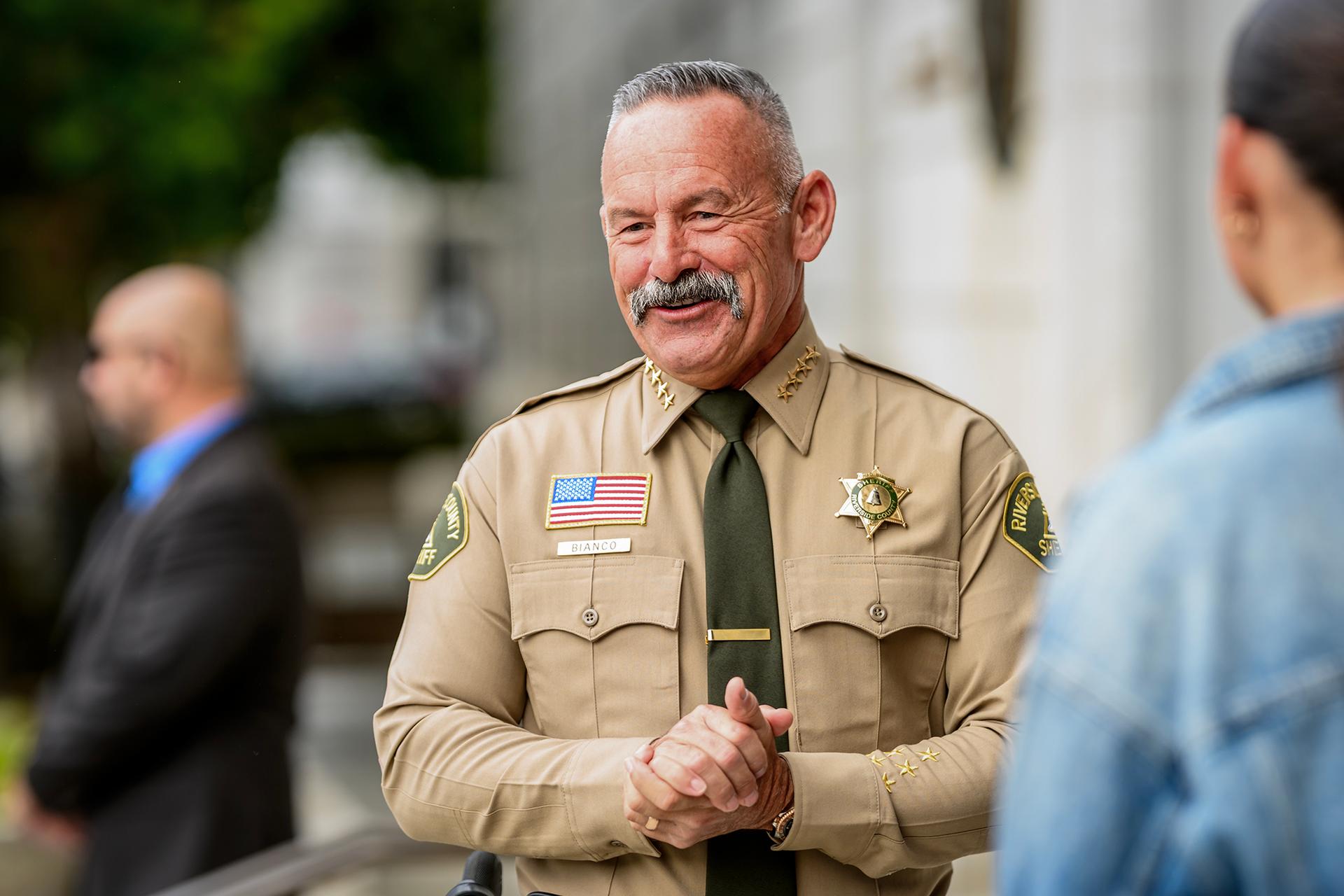
California Supreme Court justices heard oral arguments Monday in San Francisco over whether Riverside County Sheriff Chad Bianco must return ballots he seized from the county’s top election administrator. The dispute centers on Bianco’s seizure of approximately 650,000 ballots from a November 2025 special election on redistricting, after he seized 1,000 boxes of election materials in March to investigate a complaint from a local citizens group. AP reported that Democratic Attorney General Rob Bonta launched a legal challenge in March, arguing the sheriff has no authority over election materials and warning the seizure was designed to sow distrust in elections, and ordered Bianco to return the ballots but Bianco did not.
In the courtroom, Chad Dunn, legal director and co-founder of the UCLA Voting Rights Project, told the court that “Nowhere else in election law, in this state, in any other that I’m familiar with, does anybody get to handle ballots on their own in the back room with their deputies.” Bianco’s lawyer Bradley Hertz argued the sheriff had a legal duty to open an investigation after receiving a complaint and said the ballots are “evidence,” with the sheriff “safeguarding it as a custodian for the court.”
Skepticism from justices
CalMatters said justices appeared skeptical on Monday that Riverside Sheriff Chad Bianco was acting within his legal rights when he seized more than 650,000 ballots from that county’s top election administrator in March. In back-to-back hearings in downtown San Francisco, Bianco’s attorney Bradley Hertz argued that local law enforcement officers have the right to take ballots after obtaining a warrant, regardless of state laws detailing how election challenges, recalls and investigations should be handled. CalMatters reported that Justice Kelli Evans appeared unpersuaded, asking, “So it’s ‘in some event,’ despite the fact that it says ‘in no event?’”
KQED described the court’s questions as pointed, with Justice Kelli Evans saying, “It says in no event shall the packet or its content be taken from the custody of the elections official,” as Bianco’s lawyer Bradley Hertz argued state law limits access to ballots only during prosecutions, not investigations. KQED also quoted Hertz saying, “It cannot be a universal prohibition against all legal processes,” as the justices weighed whether Bianco’s approach could open the door for ballot seizures beyond the criminal-prosecution context.
What’s at stake next
The cases also raise a second question about whether California Attorney General Rob Bonta can order a county sheriff to stop an investigation, with AP describing Bonta’s argument that the sheriff ignored his order to pause the investigation. AP reported that Bianco began recounting the vote using sheriff’s officials under the supervision of a special master appointed by a court but suspended it days later, citing mounting legal challenges from the state attorney general and a voting rights group, while Bianco still had not returned the ballots. In a separate framing, the Sacramento Bee said the attorney general is asking the court to reaffirm his authority over elected sheriffs, while the UCLA Voting Rights Project petitioners want the justices to order Bianco to return the ballots and make clear that state law prevents local registrars from handing them over even when presented with a warrant from a judge.
The Desert Sun reported that justices asked pointed questions about why the sheriff thought the seizure was legal and why the state election code should not apply, with Justice Goodwin Liu saying, “As the presenters before you have articulated, you are walking into a very dense thicket of very specific laws that govern elections in particular.” The Desert Sun added that Bianco’s attorney Bradley Hertz argued the state penal code applied instead and said, “None of the very specific nuances of the custody of ballots applies to this scenario,” as the court considered how election-law procedures interact with search-warrant investigations.