USAupdated 2h ago2 min read
Trump Says U.S. Does Not Believe Russian Plague Lab Death Involves Biological Weapon
Trump says U.S. does not believe the Irkutsk plague-lab death involves a biological weapon. Russian officials say the worker died of pneumonia of unknown origin; no plague confirmed.

13 outlets told this the same way.
Outlets did split on United States Approves US$1 Billion Arms Sale To United Arab Emirates →
Trump presses for answers
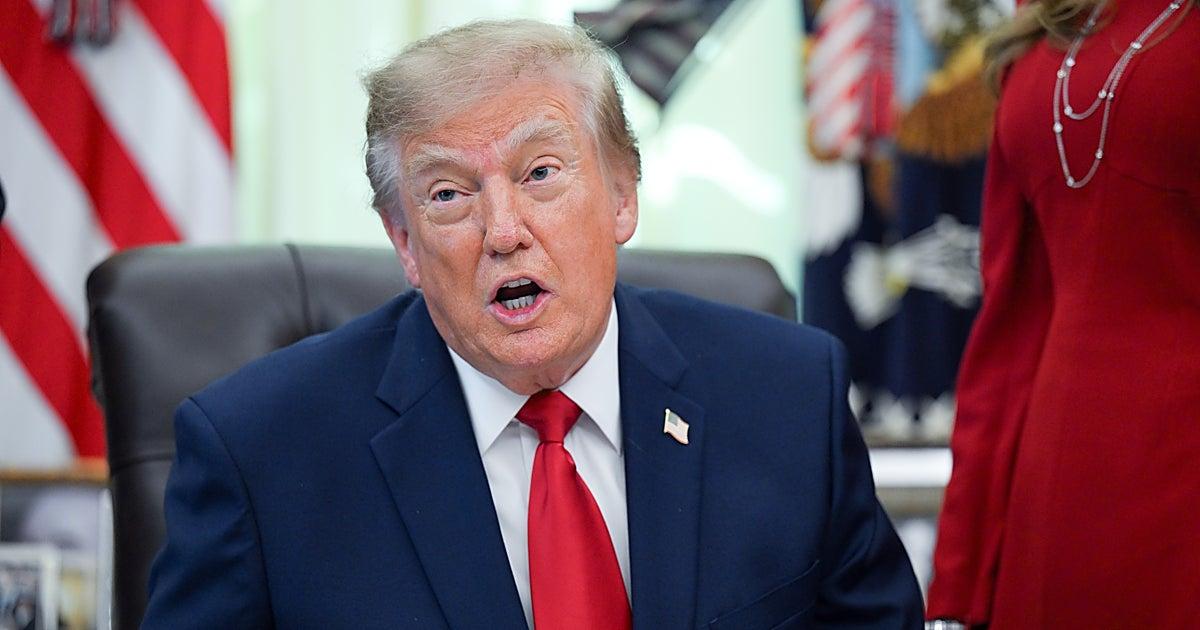
Donald Trump said his government does not believe, for now, that the mysterious death of a female worker at a Russian laboratory dedicated to the study of the plague is related to a biological weapon.
Trump told reporters in the Oval Office, "We will know soon, but we do not believe it," after meeting with his government’s experts and hearing that Russian authorities have conveyed to Washington that the situation is under control.
Secretary of State Marco Rubio called for greater transparency, saying, "Perhaps there is nothing. Perhaps it is bigger than we thought. We don’t know," during a visit to Greece.
The United States increased pressure by sending Russia what the State Department called a formal government-to-government communication, requesting additional information about the death and reminding Moscow of its international obligations for health information.
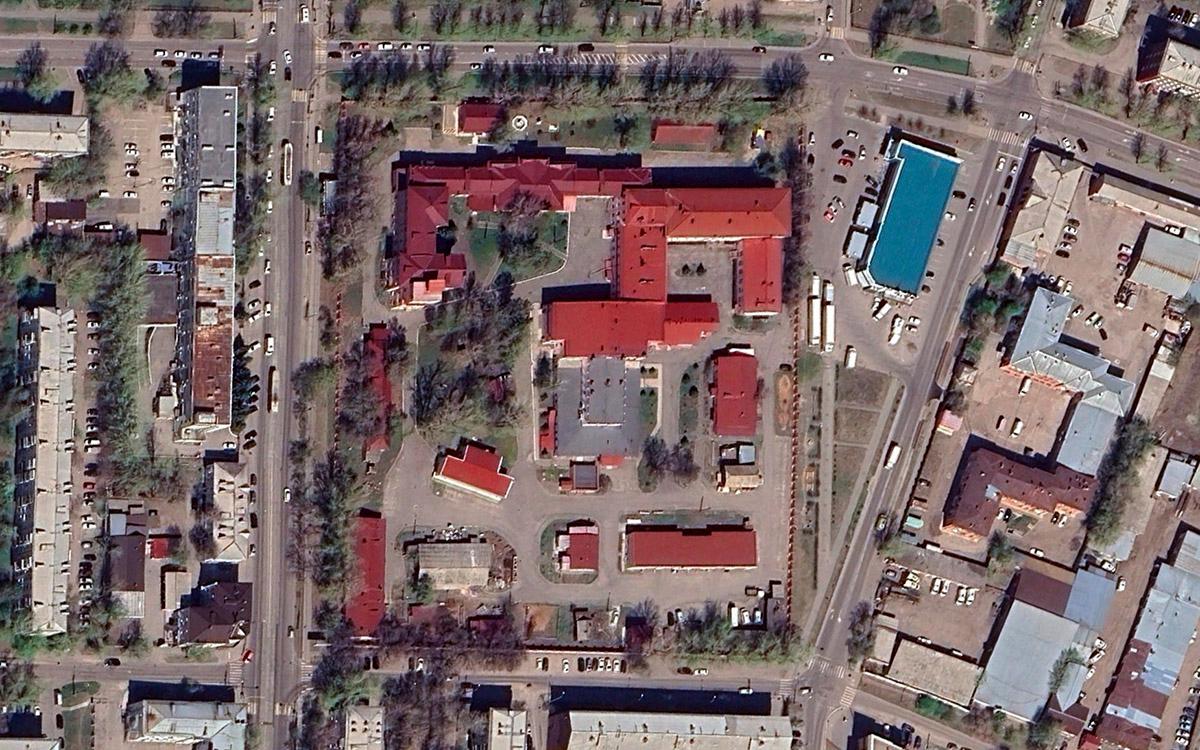
The case began with the death of a 28-year-old worker at the Siberia and Far East Anti-Plague Institute in the Irkutsk region, and Russian media identified her as Darya Shipilova.
Quarantine fuels US doubts
About 200 people ended up under observation, according to local information collected by U.S. outlets, and the scale of the Kremlin’s response fed U.S. doubts. The United States sought to determine whether the infecting agent involved had been modified in any way in the laboratory, and U.S. officials said there is no evidence so far that this was the case. CNN reported that the Trump administration increased pressure on the Kremlin over the death at the plague lab, while U.S. officials weighed what health response might be necessary amid limited Moscow cooperation.
A State Department spokesperson said the United States was in formal contact with other countries to exchange data, and the administration emphasized that there were no specific travel restrictions related to the episode. The World Health Organization also demanded explanations, and its director-general Tedros Adhanom Ghebreyesus asked Russia for information that is timely, complete, and transparent.
WHO and Russia clash
Russia insisted that no plague case has been registered in the region and that there is no epidemiological risk, while Rospotrebnadzor said the worker had died of an "indeterminately etiologized pneumonia" and that analyses had not detected microorganisms related to her professional activity. The WHO said it was demanding explanations, and Tedros Adhanom Ghebreyesus asked Russia for information that is timely, complete, and transparent in order to properly assess the possible health risk. Trump said he would speak with Russian President Vladimir Putin this Wednesday, and he planned to call him on his birthday.
“The WHO considers the risk to Russia as low and to Europe as very low.”
La FM reported that the WHO considers the risk to Russia as low and to Europe as very low, while the United States lodged a formal protest with Moscow to demand information about the death. The dispute left the United States and the WHO seeking conclusive reports about the cause of the severe pneumonia and whether any second case existed, as Russia urged caution and said it had informed the WHO about the matter.