
Canada · 01 August, 2026 · 2 min read
Canada Announces Retaliatory Tariffs Up To 50% On U.S. Goods As Trade War Deepens
Canada imposes retaliatory tariffs up to 50% on U.S. goods. Steel and aluminum tariffs rise from 25% to 50%.
US-Canada talks fail: negotiation cause framed differently.
2 of 3 outlets skipped it: US reportedly sought to control Canada’s future trade agreements and third-party tariffs.
3outlets compared
Same story, two versions
tap a side to read it in full
Canada announces retaliatory tariffs on U.S. products as trade war deepens
“came in response to the imposition last week of 50 percent U.S. tariffs”Read the original ↗
Al-Manar frames the dispute as US control; Yalibnan frames it as retaliation.
Tariffs hit Sept. 8
Canada struck back at the United States on Tuesday by announcing new tariffs of up to 50 percent on hundreds of American goods as the trade war deepened between the two longtime allies.
“Beginning Sept. 8, Canada will double its tariffs on American steel and aluminum from 25 percent to 50 percent.”
Beginning Sept. 8, Canada will double its tariffs on American steel and aluminum from 25 percent to 50 percent and will impose tariffs ranging from 15 percent to 50 percent on about 700 other products, including fish, milk and food products, plywood, plastics, aluminum foil, appliances, agricultural equipment, motorcycles and electronics.
The move came in response to the imposition last week of 50 percent U.S. tariffs on about $20 billion in Canadian goods, including whisky, dairy products, toys, clothing and hockey sticks, after talks in Washington to avert those levies unexpectedly collapsed.
Canadian Prime Minister Mark Carney had promised Saturday that Canada would retaliate “dollar for dollar,” telling Canadians, “You’re at war when you’re attacked, and we got attacked,” and adding, “We’re going to hit back.”
Carney vs Trump
Canadian Finance Minister François-Philippe Champagne provided details on Tuesday, saying the new “countertariffs are designed primarily to provide protection for Canadian industry impacted by U.S. tariffs and allow them to compete against U.S. products in the Canadian market.” In parallel, Trump spent Tuesday morning targeting Canada in a series of social media posts, complaining that “Canada has been ‘Ripping Off’ the U.S.A. for decades.”
Al-Manar TV Lebanon framed the dispute as escalating tariff pressure after trade talks with Ottawa collapsed, quoting Trump as saying, “We don’t need Canada; they need us.” ACanadian Prime Minister Mark Carney responded by saying his country would not accept being treated at the negotiating table as a “subsidiary of the United States.”
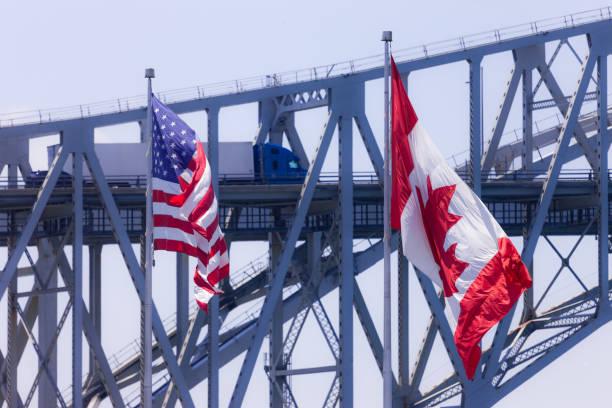
U.S. politics and costs
As the tariff fight with Canada intensified, ABC News reported that some Republican lawmakers skewer Trump’s beef imports and slammed the Canada trade war, with GOP Sen. Tom Cotton calling Trump’s action “ill-advised.”
“GOP Sen. Tom Cotton called Trump's action "ill-advised."”
ABC News also quoted Nebraska Republican Sen. Deb Fischer posting on X that “flooding the market with foreign beef hurts our livestock industry and undermines the long-term solution: growing the U.S. cattle herd to meet demand.”
In Maine, Republican Sen. Susan Collins argued that the on-again/off-again trade talks between the U.S. and Canada lead to higher costs, risk, and uncertainty for Maine businesses, writing, “If the Administration proceeds with these tariffs, they will increase costs for Maine families.”
The Washington Post warned that the trade war risks hurting both sides at once, noting that the two economies are so deeply integrated that “a trade war risks hurting both sides at once.”