
Full story
Tariffs, deadline, and talks
The United States and Canada failed to reach a trade deal, and the White House said it would impose 50 percent tariffs on certain imports from Canada, prompting Canada’s Prime Minister Mark Carney to say Canada would retaliate and had suspended trade negotiations and recalled its negotiators to Ottawa.
“the White House said that it would impose 50 percent tariffs on certain imports from Canada”
Carney said the decision followed “last-minute changes” proposed by the U.S. side that were deemed “unfair, uneconomic, and called into question the reliability of any deal,” and he said Canada would match the new tariffs “dollar for dollar” to protect its workers and businesses.
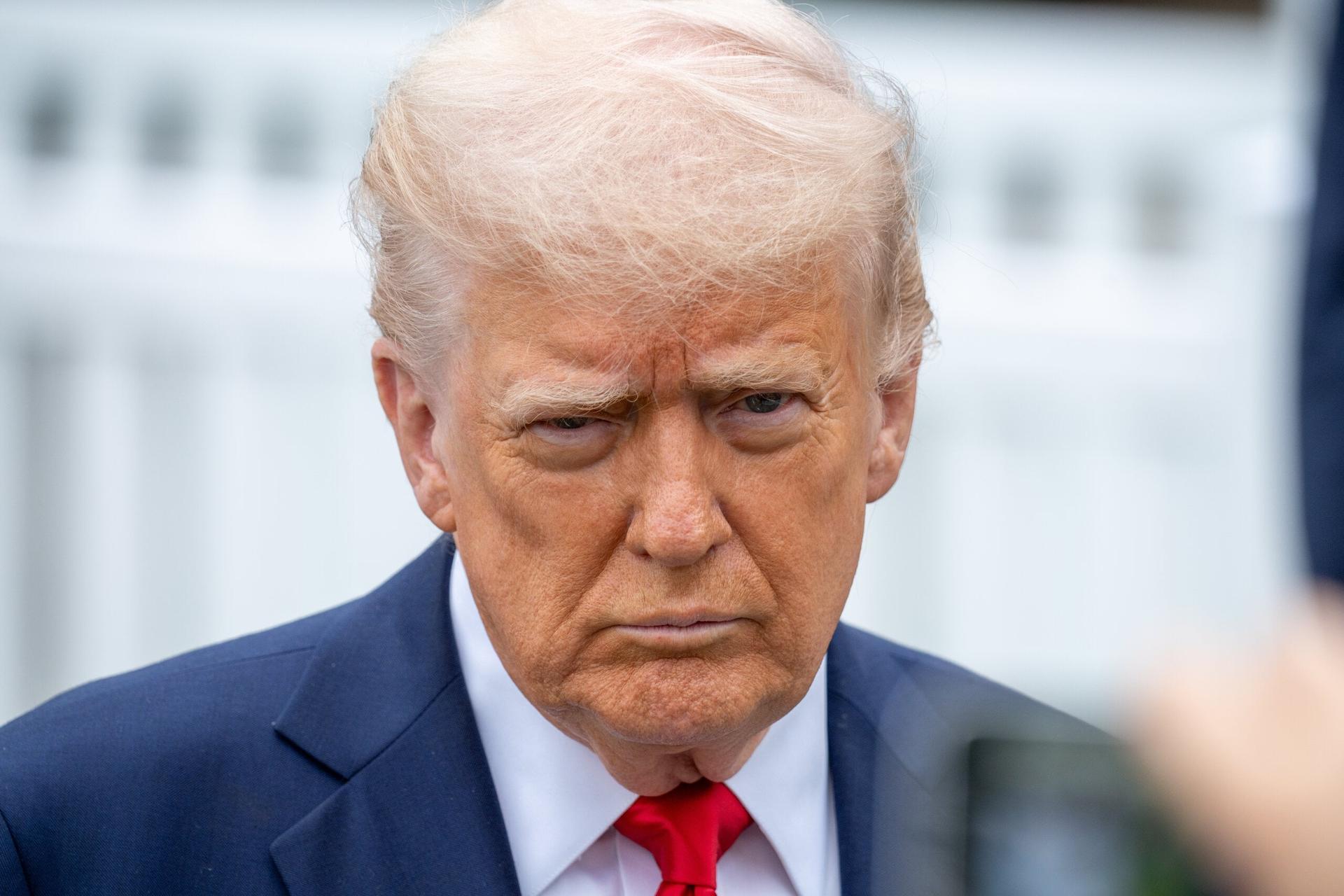
In Washington, ABC News reported that Trump said he was pausing for three days the taxes on $20 billion worth of Canadian imports less than two hours before they were set to go into effect, and that the tariffs were postponed until 12:01 a.m. Saturday.
ABC News also reported that Trump said talks yielded a “very fair deal for both” sides and that the agreement was “all subject to the finalization of documents,” leaving key terms unclear as the deadline approached.
Al Jazeera later reported that the United States imposed 50 percent tariffs on about $20bn worth of Canadian goods after negotiators failed to finalise a trade deal, with the deadline expiring at 12:01am Eastern Time (04:01 GMT) on Saturday.
Blame, politics, and quotes
As tariffs moved from threat to implementation, U.S. Trade Representative Jamieson Greer blamed Canada for the breakdown, saying Canada “declined to finalise the trade deal under the terms agreed earlier this week,” while Canada said it would match the new tariffs “dollar for dollar.”
Carney said Canada’s progress with the United States had not been enough to meet “our objectives for Canadians,” and he said Canada would introduce new measures to support workers and businesses in the coming days.

In a separate ABC News report, Trump said Canada had dodged his threat of 50% tariffs “at least for now,” and he told reporters that “Our farmers are going to be thrilled, our manufacturers are going to be thrilled.”
Al Jazeera quoted Carney describing the U.S. approach as “unfair” and “uneconomic,” and it also quoted Greer pinning blame on Canada as “a missed opportunity for Canada to partner with the United States.”
Al Jazeera also reported that Trump’s tariff pause came after a “good conversation” with Carney and that Carney said “substantial progress has been made, although there is important work still to be done,” while neither side confirmed full details of the agreement.
What’s at stake next
The dispute threatened to deepen into a broader trade war, with ABC News reporting that Trump said he would double tariffs from 25% to 50% on Canadian cars and auto parts starting on Jan. 1, 2027, and that the elevated levy would also apply to steel and trucks.
“double tariffs from 25% to 50% on Canadian cars and auto parts starting on Jan. 1, 2027”
ABC News also reported that Trump said in a social media post that he would ratchet up tariffs on Canada-made cars and auto parts in January, after negotiations broke down between the U.S. and Canada over the weekend.
Al Jazeera reported that the tariffs would have applied to about $20.2bn worth of Canadian exports, and it said the U.S. president appeared to link the breakthrough to his efforts to revive the Keystone XL Pipeline, quoting Trump: “The great Keystone XL Pipeline, long ago killed by Sleepy Joe Biden, may be awoken from the grave!”
In the same Al Jazeera account, Carney said “substantial progress” had been made but that “there was important work still to be done,” while it also noted that the pause would be “welcome relief for Canadian exporters.”
Looking ahead, ABC News reported that Trump invoked a never-before-used legal authority dating back to the Great Depression to announce 50% tariffs on $20 billion, and it said the provision has never been invoked before, meaning the move lacks judicial precedent.