Canadaupdated 1h ago3 min read
Archive photo · 22 April 2017Canada Signs CEPA With UAE, Mark Carney and Abu Dhabi Crown Prince Sheikh Khaled Preside
“Under the CEOA agreement, the UAE will grant preferential access covering 93.4% of tariff lines”
“reduce or eliminate tariffs on more than 99 per cent of Canada’s current exports to the UAE.”
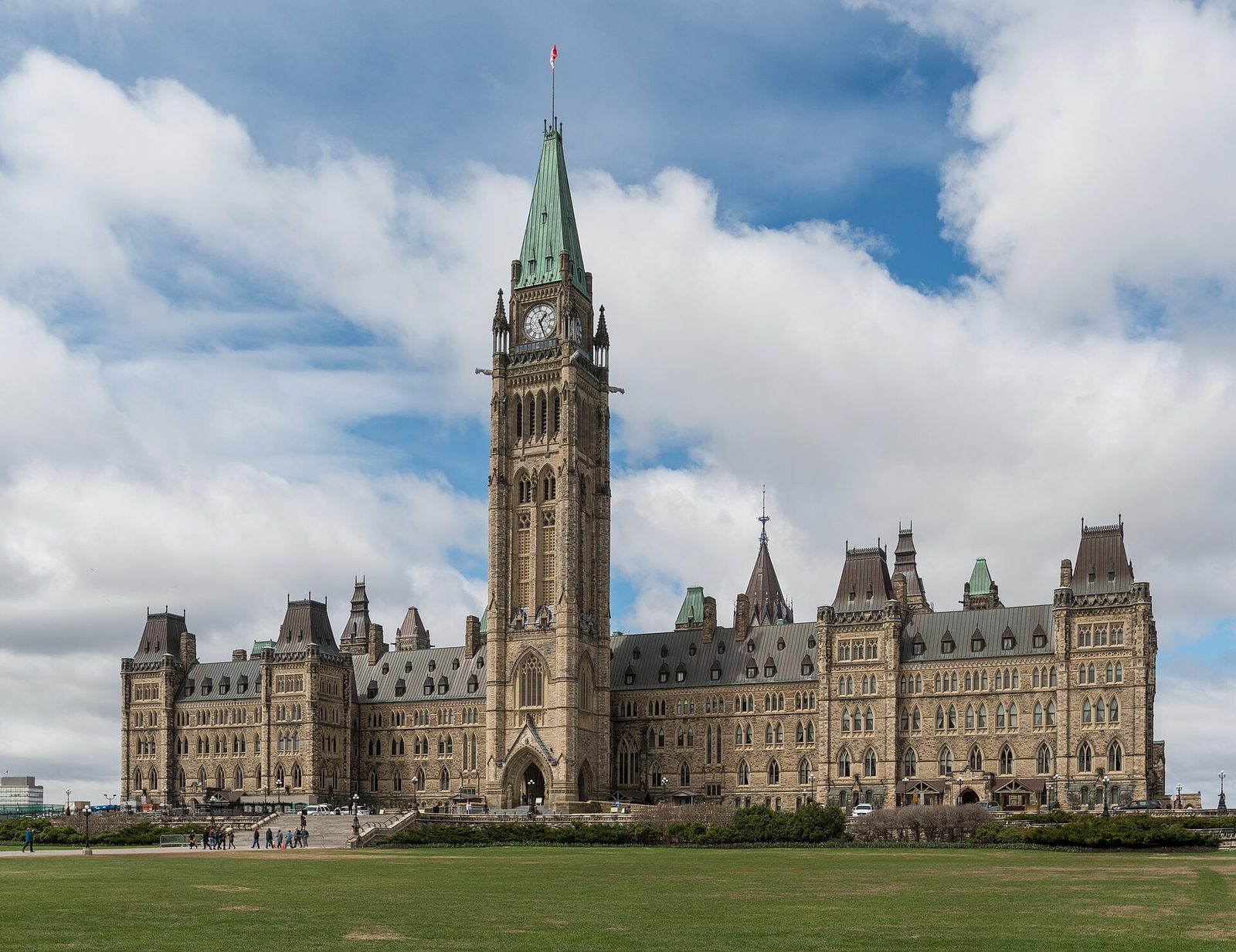
Photo: DXR, CC BY-SA 4.0 · Cropped for layout
This article is an automated aggregation of coverage from news outlets. Our editorials offer in-depth analysis curated by the NewsCord team.
Canada-UAE CEPA eliminates tariffs on 99% of exports, expanding market access. Prime Minister Mark Carney and Abu Dhabi Crown Prince presided the signing in Ottawa.
CEPA signed in Ottawa
Canada and the United Arab Emirates signed the Comprehensive Economic Partnership Agreement (CEPA) on Tuesday, with Prime Minister Mark Carney and Abu Dhabi Crown Prince Sheikh Khaled bin Mohamed bin Zayed Al Nahyan presiding over the ceremony. The governments said CEPA aims to cut tariffs, reduce red tape and improve market access for businesses in both countries, as Carney sought to expand trade and investment ties amid tension with the United States. The Prime Minister’s Office said, "Once fully implemented, the CEPA will reduce or eliminate tariffs on over 99 percent of current Canadian exports to the UAE," and it said CEPA is expected to enter into force in 2027.
The governments also said the agreement would address non-tariff barriers and expand market access for Canadian goods and services across industrial, agricultural, forest, fish and seafood, environmental, and engineering sectors. UAE Foreign Trade Minister Thani bin Ahmed Al Zeyoudi signed the CEPA deal with his Canadian counterpart, Maninder Sidhu, as the UAE was described as Canada’s largest Middle East export market.
Defense, energy, and rights
Canada and the United Arab Emirates also signed preliminary agreements on energy, diplomatic and defence cooperation during the crown prince’s visit to Ottawa. Carney welcomed Sheikh Khaled bin Mohamed bin Zayed Al Nahyan to Parliament Hill on Tuesday, and it described the crown prince’s motorcade as including four RCMP horses. International Trade Minister Maninder Sidhu told reporters, "human rights never takes a back seat with Canada," and he said Canada would continue to engage at those tables to raise human rights questions.
Le Canada Français said the two countries agreed to begin negotiations on an extradition treaty, and it said the visit included agreements on investments in clean energy and energy infrastructure and collaboration on diplomatic training. Le Canada Français also quoted Conservative MP and international trade spokesperson Stephanie Kusie saying it was "tiresome" to see the prime minister hold "yet another showy meeting with no concrete results for Canadians."
Trade diversification stakes
The CEPA signing came as Carney pursued non-US markets after subsequent attempts to reach a deal with Washington broke down, and the governments said the agreement was meant to boost investment and market access. Carney pledged to double Ottawa’s non-US trade over the next decade, and it said two-way trade between the countries was worth 3.5 billion Canadian dollars last year and had been growing at 10 percent annually. The Prime Minister’s Office said CEPA would open new markets for Canadian farmers growing pulses and canola, for manufacturers of industrial machinery and power generation equipment, and for the aerospace sector.
The pact was concluded in record time after negotiations lasting only 47 days, and it said the signing took place with the participation of Carney and both leaders launched a new strategic alliance for cooperation in economic, energy, technology, education, defense and diplomacy relations. Sidhu told audiences the agreement should double two-way trade from $3.4 billion to $7 billion over the next decade, and it said the leaders also launched a strategic partnership spanning the economy, energy, technology, education, defense, diplomacy and culture.