
Finance · 16 April, 2026 · 8 min read
CFTC Investigates $950 Million Oil Futures Bet Before Trump Iran Ceasefire
$950 million in oil futures trades investigated by the CFTC. Investigation centers on CME Group and ICE trading venues.
Insider-trading framing.
6 of 7 outlets skipped it: the BBC/waya pattern analysis includes a detailed list of incidents (War Is Almost Over; Comprehensive Solution to Hostilities; Freedom Day; Maduro Ouster; Iran strike) and notes on six Polymarket accounts and a separate Maduro-account story, which are not widely replicated in other outlets..
6outlets compared
Same story, two versions
tap a side to read it in full
The Times of India
““This pattern raises serious questions about whether there has been recurring misappropriation of material nonpublic government information and about the extent to which individuals inside or outside the government have acted on such information,” Warren wrote.”Read the original ↗
Shows a shift from a direct accusation of insider rigging (CryptoRank) to a more measured, information-theory framed concern about misappropriation of nonpublic government information (Times of India).
CFTC targets $950M bet
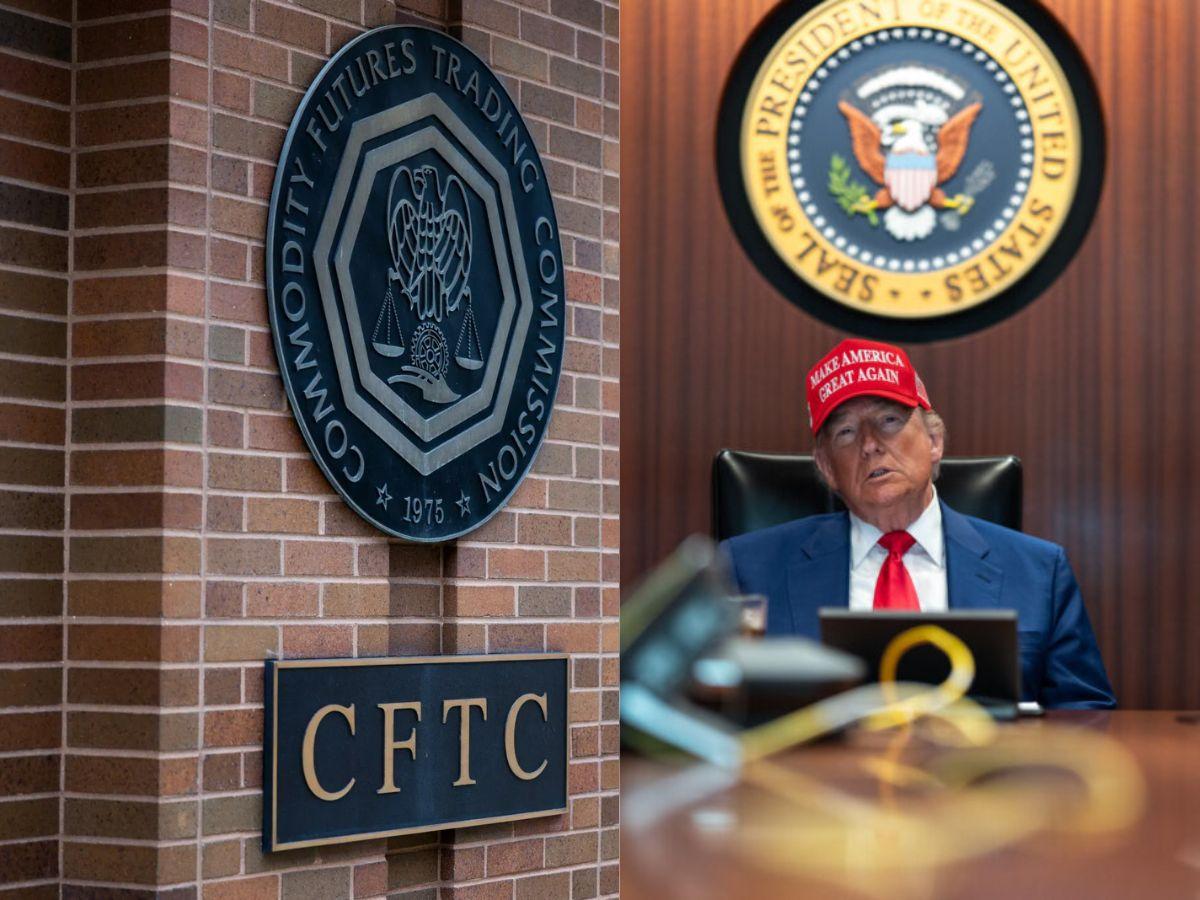
The U.S. Commodity Futures Trading Commission is investigating a series of oil futures trades placed shortly before major shifts in President Donald Trump’s Iran war policy, according to a Reuters report and other coverage.
Reuters says the CFTC probe is focused on trading of oil futures contracts on platforms belonging to CME Group and Intercontinental Exchange, with investigators examining at least two instances of oil trades made on March 23 and April 7.

Reuters reports that investors placed an approximately $950 million bet on oil prices just hours before the U.S. and Iran announced a ceasefire last week, and that the data requested from the exchanges includes the so-called Tag 50 identifications of the entities behind the trades.
In prepared remarks seen by Reuters, CFTC Chairman Michael Selig said, “I want to be crystal clear: to anyone who engages in fraud, manipulation, or insider trading in any of our markets: we will find you, and you will face the full force of the law,” while an agency spokesperson declined to comment on any specific investigation.
A separate report in The Sunday Guardian, citing a person familiar with the matter, says the CFTC is investigating trades placed shortly before major policy shifts by Trump and that investigators are examining at least two instances of trades made on March 23 and April 7.
That same report says the CFTC requested Tag 50 data so regulators can trace the individuals or firms that placed the bets, and it notes that the CFTC spokesperson declined to comment while ICE and CME did not respond to requests for comment.
The Sunday Guardian also describes the March 23 timing as oil and stock futures traded approximately 15 minutes before Trump announced that previously threatened strikes on Iranian energy infrastructure would be delayed, with the president’s comments in a Truth Social post sending crude prices plummeting and equities soaring.
Timing around Truth Social
The investigation centers on the timing of trades around Trump’s announcements about Iran, with multiple outlets describing a pattern of futures activity surging shortly before public policy statements. The Sunday Guardian says that on March 23, oil and stock futures worth billions of dollars were traded approximately 15 minutes before Trump announced that previously threatened strikes on Iranian energy infrastructure would be delayed, and it adds that the president’s comments in a Truth Social post sent crude prices plummeting and equities soaring. It further states that a similar pattern was observed ahead of Trump’s April 7 announcement of a two-week ceasefire with Iran, with futures activity increasing significantly in the hours before the news and causing both oil and gas prices to plunge.
The Sunday Guardian reports that investors placed an estimated $950 million bet on falling oil prices just hours before the ceasefire was announced, and it says that nearly $1 billion in downside bets were placed shortly before the ceasefire news broke. It also provides a specific figure for March 23, saying that approximately $760 million worth of oil futures contracts changed hands in less than two minutes following the March 23 announcement, according to Dow Jones Market Data. Reuters similarly reports that the CFTC is examining at least two instances of oil trades made on March 23 and April 7, and it describes the trades as “well-timed” and capable of generating “millions of dollars in profits.”
Reuters also says the data requested from the exchanges include Tag 50 identifications of the entities behind the trades, and it quotes CME’s statement that “We vigorously surveil our markets and work closely with the CFTC to oversee trading activity.” In addition, Reuters notes that the White House has warned staff against improperly leveraging their positions to place bets in futures markets amid the ongoing war in Iran, linking the timing of the trades to internal ethics concerns.
Tag 50 and internal memo
Regulators are seeking detailed identity information behind the trades, and at least one report describes an internal White House warning to staff about using nonpublic information for financial gain. The Sunday Guardian says the data requested from the exchanges includes the so-called Tag 50 identifications of the entities behind the trades, which would allow regulators to trace the individuals or firms that placed the bets. It adds that the CFTC is working to determine whether the trades were legitimate market positioning or whether they involved the misuse of material non-public information.
That report also says the White House circulated an internal memo to staff on March 24, the day after the first suspicious trades, warning employees against improperly leveraging their positions to place bets in futures markets. The Sunday Guardian quotes the memo’s ethics framing, saying the email reminded staff that ethics rules prohibit government employees from using nonpublic information for financial gain. Reuters likewise says the White House has warned staff against improperly leveraging their positions to place bets in futures markets amid the ongoing war in Iran.
The Sunday Guardian also includes a response from White House spokesman Davis Ingle, who dismissed allegations of wrongdoing by telling the Wall Street Journal that “the only special interest that will ever guide President Trump is the best interest of the American people.” Ingle also said, “President Trump has been crystal clear: while he seeks a strong and profitable stock market for everyone, members of Congress and other government officials should be prohibited from using nonpublic information for financial benefit.” Reuters, meanwhile, reports that CFTC Chairman Michael Selig said the agency will go after wrongdoers, while noting that his testimony did not address any specific investigation and that an agency spokesperson declined to comment.
Lawmakers press for action
Lawmakers and legal observers are pushing for the CFTC to investigate the unusual timing and to pursue potential insider trading or misuse of nonpublic information. The Times of India reports that Democratic senators Elizabeth Warren of Massachusetts and Sheldon Whitehouse of Rhode Island urged the CFTC to look into unusual activity in oil futures trading on March 23 and April 7, and it says their demand comes amid concerns about traders acting on non-public information linked to the war. TThe Times of India quotes Warren and Whitehouse’s letter to CFTC Chairman Michael Selig, saying, “This pattern raises serious questions about whether there has been recurring misappropriation of material nonpublic government information and about the extent to which individuals inside or outside the government have acted on such information.”T
It also describes the March 23 catalyst as Trump posting on Truth Social about talks with Iran aimed at de-escalating the conflict, and it says the post led to a rise in stock market indices and a drop in crude prices. The Times of India further states that on April 7, “traders placed an approximately $950 million bet on oil prices falling,” and it says the announcement sent oil prices down approximately 15%. TReuters similarly reports that Democratic Senator Elizabeth Warren of Massachusetts said the agency’s probe is a start and that regulators should do more to investigate any insider trading by administration officials.
Reuters also reports that the White House did not immediately respond to a request for comment on Warren’s statement. The Sunday Guardian adds that Senator Elizabeth Warren and Senator Sheldon Whitehouse called on the CFTC to investigate the unusual trading activity, and it says Representative Ritchie Torres pushed regulators to investigate the burst of oil market activity that hit within a one-minute window ahead of the ceasefire announcement. In Reuters, Torres is quoted saying, “What kind of trader would make a massive trade at 6:49 am, 15 minutes before a market-moving presidential announcement with billions of dollars at stake and without a hedge?” and he adds, “The only plausible answer to that question is an insider trader,” while also stating, “Any other alternative is a statistical impossibility.”
Broader market and crypto links
Beyond the CFTC’s oil futures probe, some coverage connects the investigation to wider market strain and to concerns about prediction markets and crypto compliance. CryptoRank says the CFTC is probing roughly $950M in oil futures trades on CME and ICE made in the two weeks before a Trump Iran-ceasefire post, and it says the probe seeks Tag 50 data while “explicitly calls out low-visibility prediction markets like Polymarket and Kalshi,” drawing SEC attention and “heightening regulatory/security risk for crypto prediction markets and broader crypto compliance.” CCryptoRank also describes physical market strain, saying US crude exports hit a record 5.2M bpd and refined exports about 7.5M bpd, inventories fell, and US crude rose about 1% to $92.12 after earlier losses.C
“The CFTC can request data directly from CME for WTI trades since Nymex is based in New York.”
It adds that JPMorgan warned export competition could push US prices and inflation higher, and it quotes JPMorgan’s concern that the export boom and the ongoing loss of Middle East supply because of the Hormuz blockade could lift US petrol and diesel prices and raise political pressure on the Trump administration to curb exports. Reuters also reports that CME said, “We vigorously surveil our markets and work closely with the CFTC to oversee trading activity,” and it repeats CME’s point that any review must include all venues, including prediction markets that list related products with little to no visibility. The Sunday Guardian, meanwhile, says the CFTC can request data directly from CME for WTI trades since Nymex is based in New York, while any request regarding Brent crude trades needs to be made via the UK’s Financial Conduct Authority because Brent trades in London.
In parallel, the BBC-focused report in waya.media claims the BBC spotted unusual patterns in order-book data across American and global markets preceding Trump announcements, including an incident on March 23 where trading volume spiked to 1,619 contracts between 10:48 and 10:50 a.m., described as 14 minutes before any public event. That report also says that at 11:04 Trump posted on Truth Social about a “comprehensive and all-encompassing solution” to the hostilities with Iran, and it states that in the next minute, oil fell 11% and volume peaked at 8,205 contracts. Taken together, the sources portray an investigation that is not only about oil futures timing but also about how regulators may interpret trading across venues and jurisdictions, from CME and ICE to prediction platforms and cross-border data requests.