Finance21 April, 20266 min read
Kevin Warsh Calls for Regime Change at the Federal Reserve During Confirmation Hearing
Warsh calls for regime change at the Fed and a new inflation framework. Trump never asked him to commit to cutting interest rates.
Hearing Demands Regime Change
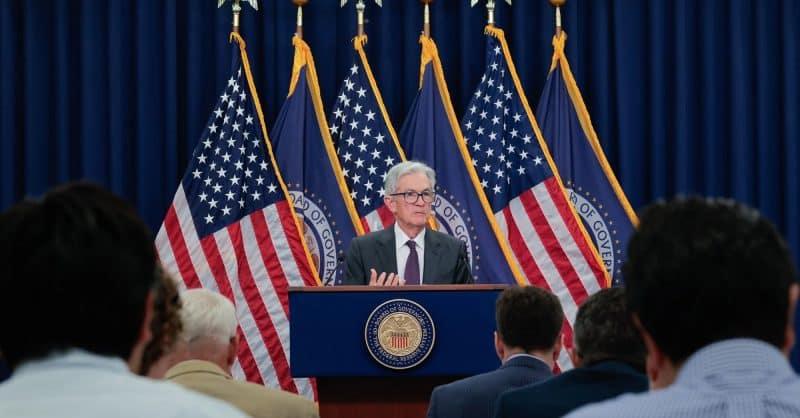
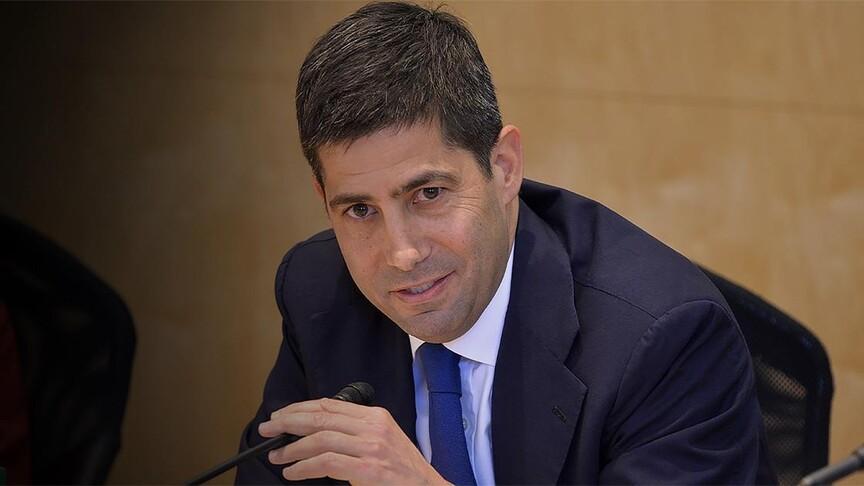
Kevin Warsh, President Donald Trump’s nominee to lead the Federal Reserve, used his Senate Banking Committee confirmation hearing to call for “regime change” at the US central bank, while also trying to reassure lawmakers that he would not be directed on interest rates. Warsh’s remarks came as the hearing unfolded “amid a criminal probe of current chair Jerome Powell,” according to the South China Morning Post, and as Republican Senator Thom Tillis said he would not vote for Warsh until the Trump administration dropped that criminal probe. The nominee argued the Fed’s approach to inflation needs to change, saying he blamed the central bank for an inflation surge “in the wake of the Covid-19 pandemic that continues to hurt US households,” as Reuters’ framing is echoed in the Asian report.
Warsh also said he would move quickly to see if new data tools could provide better insight on inflation, and he aimed to “discourage policymakers from saying too much about where interest rates might be heading.” In a separate account, The Fiscal Times reported Warsh told lawmakers, “The president never once asked me to commit to any particular interest rate decision, and nor would I agree to it if he had,” adding, “I will be an independent actor if confirmed as chair of the Federal Reserve.” The same hearing also became a test of how far Warsh would go in changing the Fed’s operations, with Warsh suggesting he “may change the way the Fed measures inflation, reduce the Fed’s use of policy tools other than interest rates, and limit press access to the bank.”
Inflation, Tools, and Balance Sheet
Warsh’s “regime change” pitch centered on both inflation measurement and the Fed’s toolkit, with multiple outlets describing him as seeking a different framework rather than only incremental adjustments. The Fiscal Times reported Warsh called for “a regime change in the conduct of policy ... a new and different inflation framework,” while also pointing to a “trimmed-mean” measure showing inflation “close to the central bank’s 2% target — much lower than the recent headline number of 3.3%.” The same report said Warsh argued “Inflation is a choice, and the Fed must take responsibility for it,” and it described his critique that the Fed has been too dovish on inflation as officials focus more on the labor market.
In the CNBC account, Warsh’s plan “came through the hearing largely intact,” and it described his intent to sharply change “the way the Fed operates, down to the very definition of the word ‘inflation.’” The Financial Times framed the hearing as “evolution, not revolution,” saying Warsh “wants regime change” but “implemented slowly,” and it reported Warsh committed to using the interest rate tool rather than the Fed’s balance sheet to influence policy. Warsh’s balance-sheet critique also appeared in the CNBC piece, which said Warsh left the Fed in 2011 objecting to programs that left the central bank “too deeply entrenched in the U.S. economy,” including quantitative easing that left “$6.7 trillion in financial assets on the Fed’s balance sheet.”
Independence vs Trump Pressure
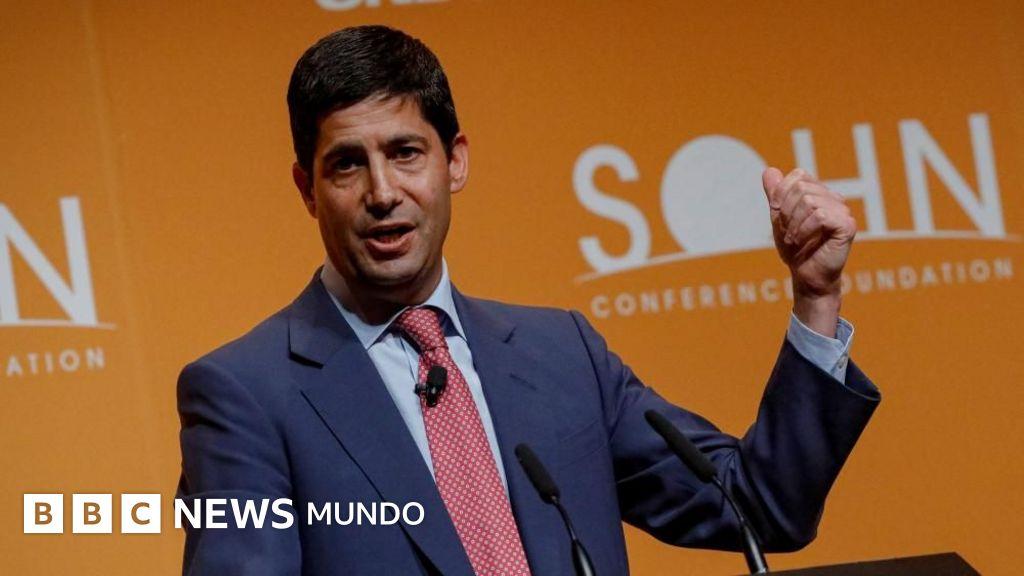
Across the hearing coverage, Warsh repeatedly insisted that he would not be a conduit for presidential demands on rates, even as senators pressed him on his relationship to President Donald Trump and on the Fed’s independence.
The Fiscal Times quoted Warsh saying, “The president never once asked me to commit to any particular interest rate decision, and nor would I agree to it if he had,” and it also reported Warsh told lawmakers, “Status quo practices and policies are especially harmful when the world is changing this fast.”
The RealEstateNews account described the “unusual hurdle” that Republican Senator Thom Tillis “has vowed to block any vote on Warsh's nomination until a Department of Justice investigation into Powell is dropped,” and it said Warsh rejected the “president's human sock puppet” framing by stating, “I will be an independent actor if confirmed as chair of the Federal Reserve.”
CNBC described the same independence argument as Warsh tried to dispel worries about Trump, saying, “The president never generally or specifically instructed me or suggested I should commit to any interest rate path whatsoever,” while also quoting Sen. Jack Reed’s criticism that Warsh’s answers were evasive: “I must commend you on the way you can circularly go around questions and not answer them.”
In the Capital Brief coverage, Warsh rejected the “sock puppet” label while insisting, “The president never once asked me to predetermine, commit, fix, decide on any interest rate decision in any of our discussions, nor would I ever agree to do so,” and it quoted his line, “I will be an independent actor if confirmed as chair of the Federal Reserve.”
The Anadolu Ajansı report similarly emphasized independence, quoting Warsh: “So, let me be very clear, monetary policy independence is essential,” and it added his claim that “Fed independence is up to the Fed.”
Senators, Wealth, and Ethics
The hearing also became a direct confrontation over Warsh’s personal finances, with senators questioning whether his wealth and disclosures could undermine public confidence in the Fed’s independence.
The Fiscal Times reported that Sen. Elizabeth Warren asked if Warsh’s investments were “affiliated with President Trump and his family, companies that have facilitated money laundering, Chinese-controlled companies or financing vehicles established by Jeffrey Epstein?” and it said Warsh declined to answer directly, saying instead that he would sell all of his assets before taking office.

The Capital Brief account said senators pressed Warsh on financial disclosures showing assets “between USD131 million and USD209 million,” including “two stakes worth more than USD50 million each in the Juggernaut Fund,” and it described Warren’s characterization that he was “uniquely ill-suited” and a “sock puppet.”
CNBC described Democrats and even at times Republicans challenging Warsh’s “complicated finances,” and it included a quoted line from Warsh about “good family fight” as he welcomed dissent within the Fed.
In the InvestmentNews account, Democratic members wrote that “Without transparent information on his holdings and divestitures, there is no way for the public to have confidence,” and it added that the report raised concerns about Warsh’s financial ties to Stanley Druckenmiller.
Even the Financial Times coverage returned to the theme of communications and independence, quoting Warsh’s preference for “clean memos and messier meetings,” while also noting that the banking committee was unlikely to send a favorable report because Thom Tillis was unwilling to vote while the criminal probe into Jay Powell was ongoing.
What Happens Next and Why It Matters
The confirmation timeline and the political conditions around it emerged as a central theme in the coverage, with multiple outlets describing how the DOJ probe and Senate resistance could delay Warsh’s path to the chair. RealEstateNews said Warsh would need to submit answers to additional written questions from lawmakers by April 23, after which the Senate Banking Committee could vote on his nomination. The same RealEstateNews account said that if Warsh is not confirmed before Powell’s term as chair ends next month, Warsh said he will stay on as chair pro tempore.
Financial Times coverage said the banking committee is “unlikely to be able to send a favourable report to the full Senate” because Tillis was unwilling to vote while the criminal probe into current chair Jay Powell was ongoing, and it predicted this would likely delay an outcome. CNBC added that Warsh’s plan for “regime change” remained intact, but it emphasized that major changes would “certainly spark dissent and disagreement within the Fed,” and it described the institutional constraints that could slow any rapid shift. In the South China Morning Post, Warsh’s remarks also hinted at a communications overhaul that may discourage colleagues from saying too much about where interest rates might be heading, which would matter for how markets interpret policy.