Britain15 October, 20254 min read
Chancellor Rachel Reeves Plans Tax Hikes and Spending Cuts to Plug £30 Billion Deficit
Chancellor Rachel Reeves plans tax increases and spending cuts to address £30 billion deficit. Institute for Fiscal Studies urges comprehensive tax reform, including property tax overhaul.
13 outlets told this the same way.
Outlets did split on UK Police Charge Teddy Young With Spying For Foreign Power, Royal Navy Member →
UK Budget Fiscal Challenges
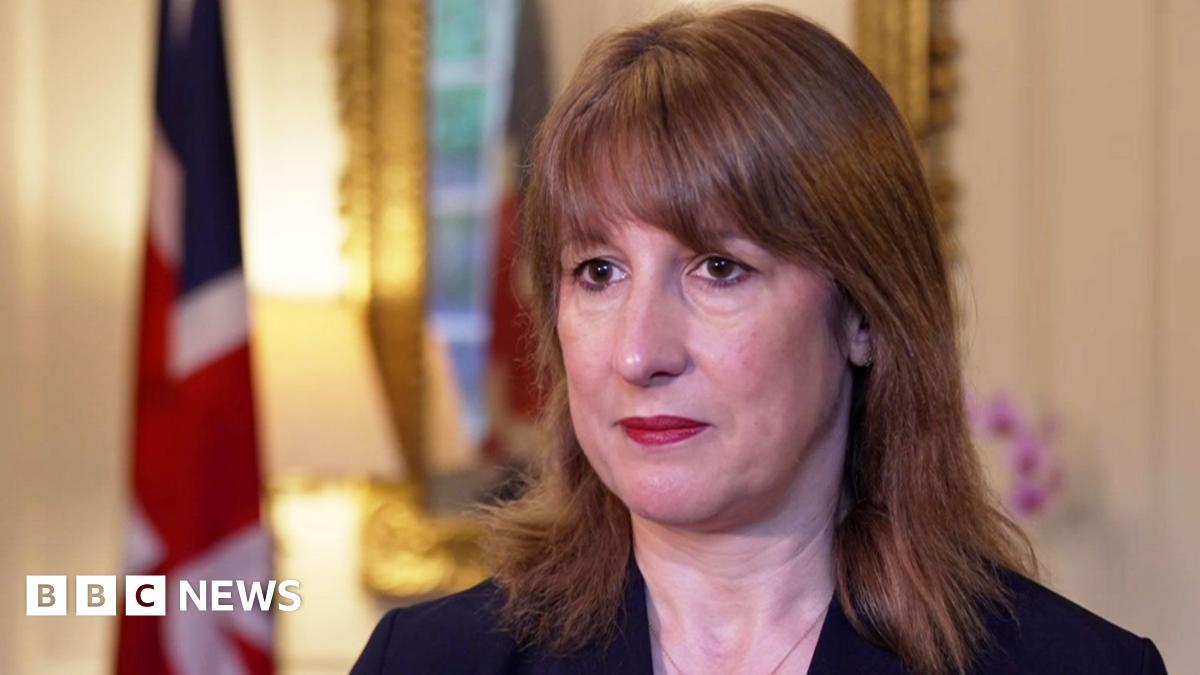
UK Chancellor Rachel Reeves has signalled that both tax rises and spending cuts are on the table in the 26 November Autumn Budget to address what multiple outlets describe as a roughly £30 billion fiscal gap. In an exclusive interview, Sky News reports she is considering both tax increases and spending cuts after seeing a draft OBR report pointing to a potential £30bn black hole driven by weaker productivity and welfare and winter fuel policy reversals. Reeves blamed the damage on Brexit, austerity measures, and the Liz Truss mini-budget.
“Rachel Reeves… indicated that tax increases and spending cuts are possible in the upcoming autumn budget… [due to] austerity, Brexit’s long-lasting economic impact, and the fallout from Liz Truss’s mini-budget.”
The Guardian likewise says tax increases and spending cuts are possible, attributing the shortfall to austerity, Brexit’s long-lasting economic impact, and the Truss mini-budget, while noting plans to mitigate Brexit damage through new EU trade arrangements. International Business Times UK underscores a £30 billion shortfall revealed by the OBR and says Reeves has signalled a tougher fiscal approach.
EasternEye estimates she may need to raise around £30 billion through tax measures given higher borrowing costs and scrapped welfare cuts. The Sun echoes that Reeves’ plan will likely involve both tax increases and spending cuts, highlighting OBR’s up to £30 billion gap and sharp political criticism from Conservatives.
Fiscal Rules and Spending Balance
Reeves frames the choices within strict fiscal rules and a vow to avoid a “doom loop” of annual tax hikes. LBC says she confirmed for the first time that tax increases are likely to avoid an economic “doom loop,” tied to a rule that all spending must be funded by taxation rather than borrowing by 2029. International Business Times UK reports she aims to balance day-to-day government spending by 2029–30, while EasternEye places the balance goal at by 2030.
Sky News similarly reports Reeves’s warning about a “doom loop” and notes the OBR’s draft downgrade to productivity, heightening the pressure for fiscal consolidation. Telegraph and Argus broadens the horizon, stating Reeves may need to find around £50 billion annually by 2029-39 to maintain fiscal stability, a much larger and longer-run challenge than the immediate £30bn hole.

Labour Tax Policy Proposals
Labour has pledged not to raise VAT, income tax, or national insurance, indicating fewer direct tax changes and more focus on reforms. IBTimes UK notes that Reeves promised not to increase VAT, income tax, or national insurance, and may instead target indirect taxes such as pension reliefs or capital gains thresholds. The BBC outlines possible measures including continuing to freeze income tax thresholds, requiring landlords to pay National Insurance on rental income, and raising taxes on betting companies.
“Labour has ruled out raising major taxes like income tax rates, VAT, corporation tax, and National Insurance… possibilities include continuing to freeze income tax thresholds… and raising taxes on betting companies.”
Labour has reaffirmed that it has ruled out increasing rates on major taxes. The Telegraph reports that the Chancellor indicated wealthier individuals would be asked to contribute more, consistent with targeting less obvious levies.
Think-tank proposals vary: the Daily Express relays ideas from the Institute for Fiscal Studies (IFS) including a one-off wealth tax, tightening reliefs, and replacing council tax with a new recurrent property tax. The Independent states that the IFS advises against an annual wealth tax or taxing pensions but supports a one-off windfall tax on existing wealth and modernized property taxes.
UK Economic Growth and Challenges
Sky News reports that the UK experienced the strongest growth in the G7 during the first half of the year. The IMF has slightly increased its growth forecast for the UK in 2025 but downgraded the outlook for 2026. Despite this, the UK is still expected to be the second-fastest growing G7 economy after the US.
The Telegraph highlights that the IMF warned living standards in the UK will improve at the slowest rate among G7 countries. Unemployment in the UK has reached a four-year high of 4.8%, according to the Telegraph. A Bank of England official has also warned of a potential recession risk.
The Sun reports that the IMF projects 1.3% GDP growth for the UK this year and next. The BBC notes that while the IMF forecasts strong UK economic growth, it also expects the highest inflation among G7 countries.
This warning about inflation is echoed by the Telegraph and Argus, which state inflation will peak highest among G7 nations in 2025-26. Despite inflation concerns, the IMF has upgraded its forecast and still ranks the UK as the second fastest-growing G7 economy in 2024.
Political and Tax Policy Challenges
Political pressures and policy responses shape Reeves’s room to manoeuvre. LBC reports growing pressure from Labour MPs, particularly from northern constituencies, to scrap the 1991-based council tax system. Experts warn that scrapping the council tax system would require comprehensive tax reform.
The Daily Express and The Independent echo IFS-backed property tax overhauls, including replacing stamp duty and council tax with a new recurrent property tax. The Guardian highlights mitigation policies such as new EU arrangements on trade and speeding up infrastructure and planning, for example backing the Lower Thames Crossing and cutting judicial review times. Telegraph and Argus notes a recent EU deal on trade, energy, and youth mobility alongside Brexit’s severe and lasting impact.
The Telegraph adds distinct political colour by reporting the government abandoned plans to restrict building societies’ use of cash deposits for mortgages. The Telegraph also signals that wealthier individuals would be asked to contribute more. Additionally, the Telegraph amplifies partisan clashes around Brexit blame.