Entertainment05 April, 20261 min read
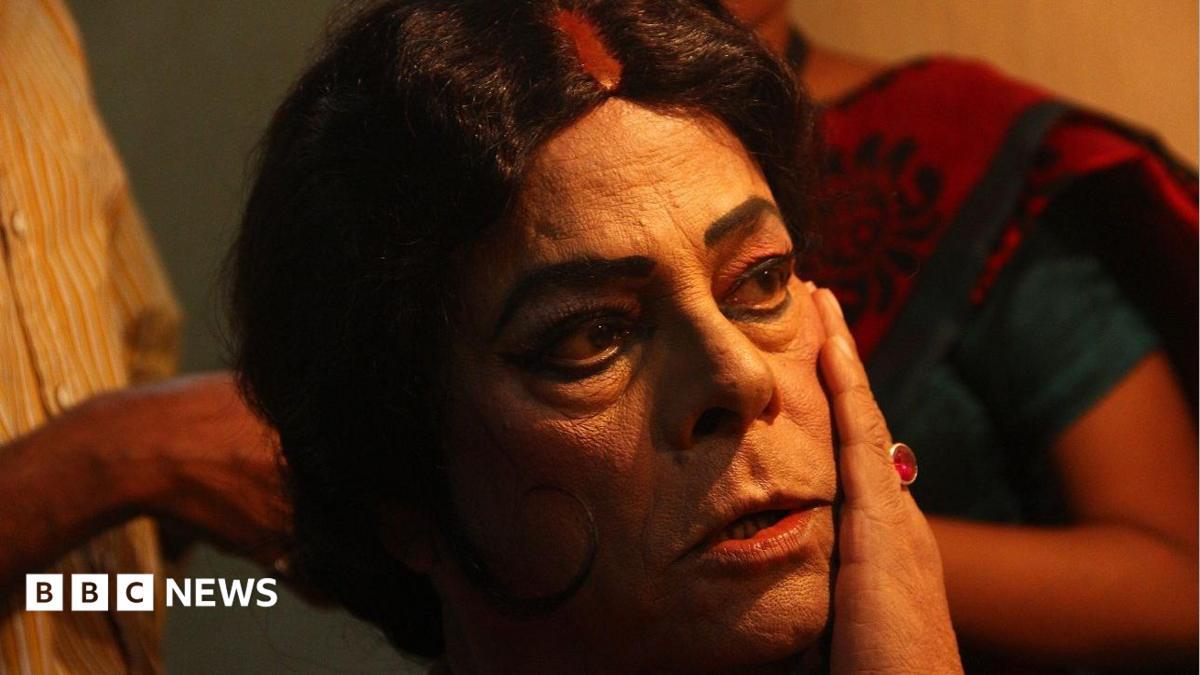
Chapal Bhaduri: The Last Purush Rani of Bengal's Jatra Theatre
This article is an automated aggregation of coverage from news outlets. Our editorials offer in-depth analysis curated by the NewsCord team.
Male actor performed female roles in Bengali jatra, known as Chapal Rani. Last known male impersonator in Bengali folk theatre.

A Vanishing Tradition
Chapal Bhaduri epitomizes a vanishing tradition of male actors playing female roles in Bengal's jatra theatre. He was born in 1939 to stage actress Prabha Devi and began acting at 16. Female roles were performed by men in this rural spectacle that once rivaled cinema in reach.
Women began taking up acting roles in the mid-20th century, narrowing the space for female impersonators. Bhaduri's career spanned from folk theatre to performing monologues of Goddess Shitala.
From Stardom to Obscurity
Chapal Rani was the leading 'lady' of Bengal’s traditional travelling folk theatre-in-the-round. His family struggled financially after losing his mother. Early experiences involved intensive makeup and costume routines assembled from available materials.
Despite challenges, Bhaduri mesmerized audiences for over 60 years. By his 70s, he was performing monologues as Goddess Shitala to sustain himself.

Cultural Tensions and Legacy
The practice of purush rani persisted well into the latter half of the 20th century in India. The form carried stigma, dismissed by colonial elites and edged out as women entered the stage. Bhaduri's survival was precarious, retreating to solo performances based on devotional themes.
His story gained attention through a documentary and a 2010 film by Kaushik Ganguly. He remains the only living female impersonator in Bengali theatre.