China13 October, 20252 min read
China Arrests 30 Zion Church Leaders in Brutal Crackdown on Underground Christians
Pastor Ezra Jin Mingri and 29 other Zion Church leaders were detained in coordinated raids. Authorities accused the leaders of illegally spreading religious content online across multiple provinces.

14 outlets told this the same way.
Crackdown on Underground Church
Chinese authorities carried out coordinated overnight raids across multiple cities. They detained roughly 30 leaders from the unregistered Zion Church network, including founder Jin Mingri. The arrests were made on allegations of "illegal dissemination of religious information."
“The Chinese government recently detained around 30 leaders of Zion Church, an unregistered Protestant network, including its founder Jin Mingri, sparking condemnation from the US and other countries.”
U.S. officials called for the immediate release of those detained. Christian groups described the operation as one of the most sweeping in years. Zion Church was founded in 2007 and has grown into a large underground network.

It has about 10,000 believers in roughly 40 cities. The church has become a focal point of the latest crackdown on house churches in China.
Crackdown on Underground Church
The sweep targets Zion Church, an influential underground congregation founded in 2007 that expanded rapidly despite mounting state pressure. Multiple sources trace a turning point to 2018, when the church’s Beijing site was shuttered amid demands for surveillance equipment. Since then, the congregation has moved online and grown, especially during the COVID-19 pandemic.
Broader patterns include forced closures, destruction of religious symbols, and requirements of loyalty to the Communist Party. Critics say these measures tighten state control over religious life.
Crackdown on House-Church Network
Arrests spanned multiple cities and included the search of Jin’s home. Several leaders were detained in Beihai. Advocacy groups and media report charges tied to religious content online.
“Among those arrested is Jin Mingri, founder of the influential Zion Church, who was taken into custody after a police search of his home.”
Church representatives say some detainees were released while roughly twenty remain held. Accounts vary on the exact scale—“around 30,” “nearly 30,” or “dozens”—but converge on a broad, coordinated operation against one of China’s largest house-church networks.
International Response to Detentions
The arrests triggered sharp international criticism and fed broader geopolitical tensions. U.S. officials urged China to free the detainees, while advocacy groups described the wave as unprecedented in decades. Chinese authorities reject the accusations and frame their actions as lawful management of religion.
They condemn outside criticism as interference. The dispute unfolds alongside trade frictions and security moves, which some outlets note as aggravating the standoff.
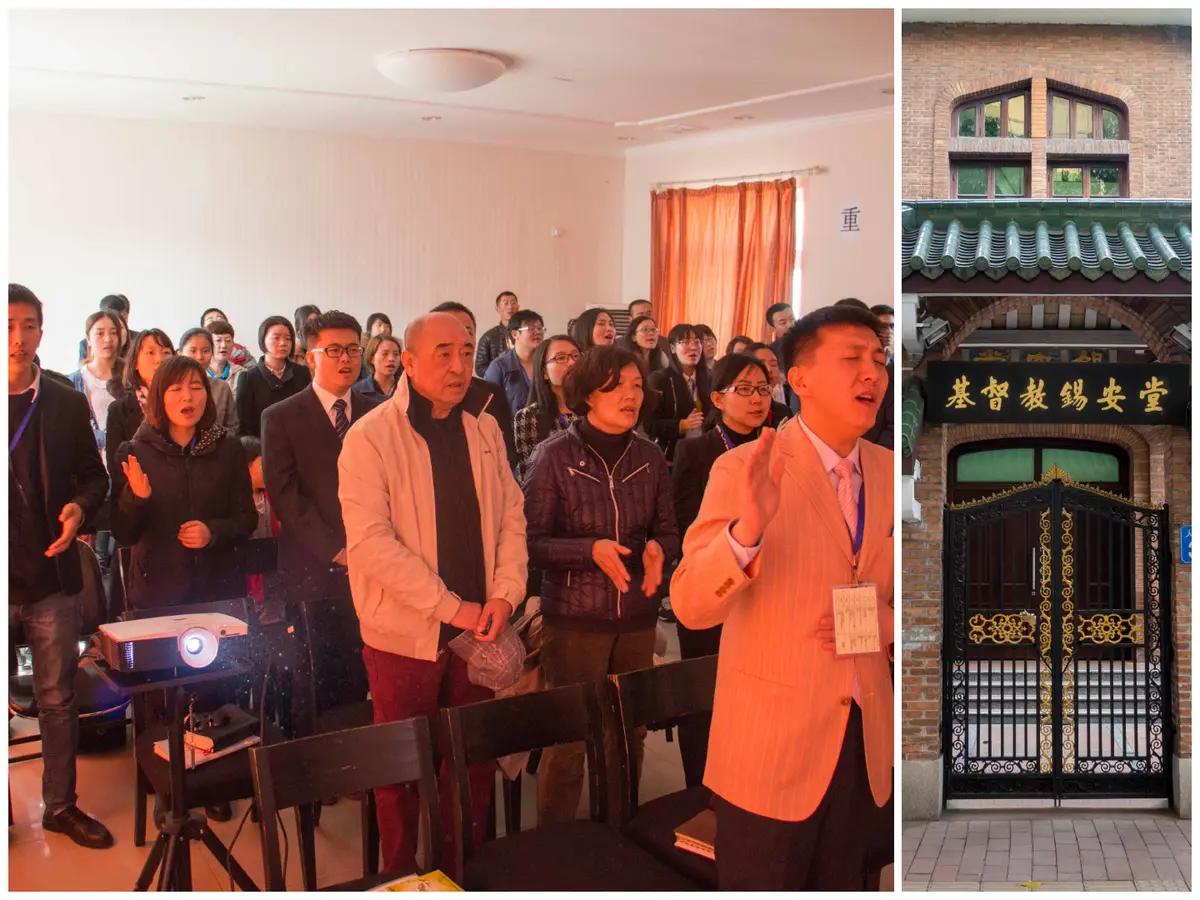
Pastor Jin's Detention Issues
Personal stakes heighten the controversy surrounding Pastor Jin's situation. Reports indicate that Pastor Jin has been barred from travel and is facing health concerns. Family members and church representatives are pleading for his release.
“Jin, who has been barred from leaving China and suffers from diabetes, remains in custody while his family in the US expresses concern and hope for his release.”
His daughter Grace has publicly appealed to authorities to free him. Congregants report experiencing harassment amid the ongoing situation.

Church figures emphasize that the community remains focused on faith rather than politics. Observers warn that the case could further strain relations between the U.S. and China.