China28 March, 20261 min read
China Calls for Immediate Ceasefire in Middle East, Debuts Five-Point Peace Plan
China calls for an immediate ceasefire in the Middle East. Beijing says it is in contact with all parties over Strait of Hormuz tensions.
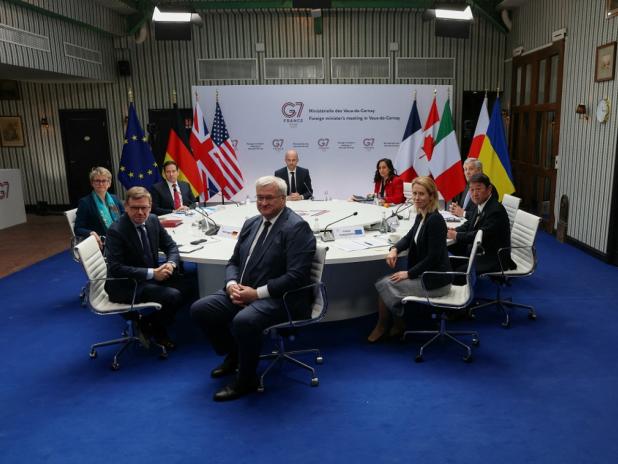
China Urges De-escalation
China emerged as a key diplomatic player, calling for an immediate ceasefire and offering a five-point peace plan. China placed the blame for the Strait of Hormuz blockade on the US and Israel as the root cause.
The five-point initiative includes ceasefire, peace talks, protection of civilians, securing maritime routes, and humanitarian relief. This marks a significant expansion of China's diplomatic footprint amid growing international concern.
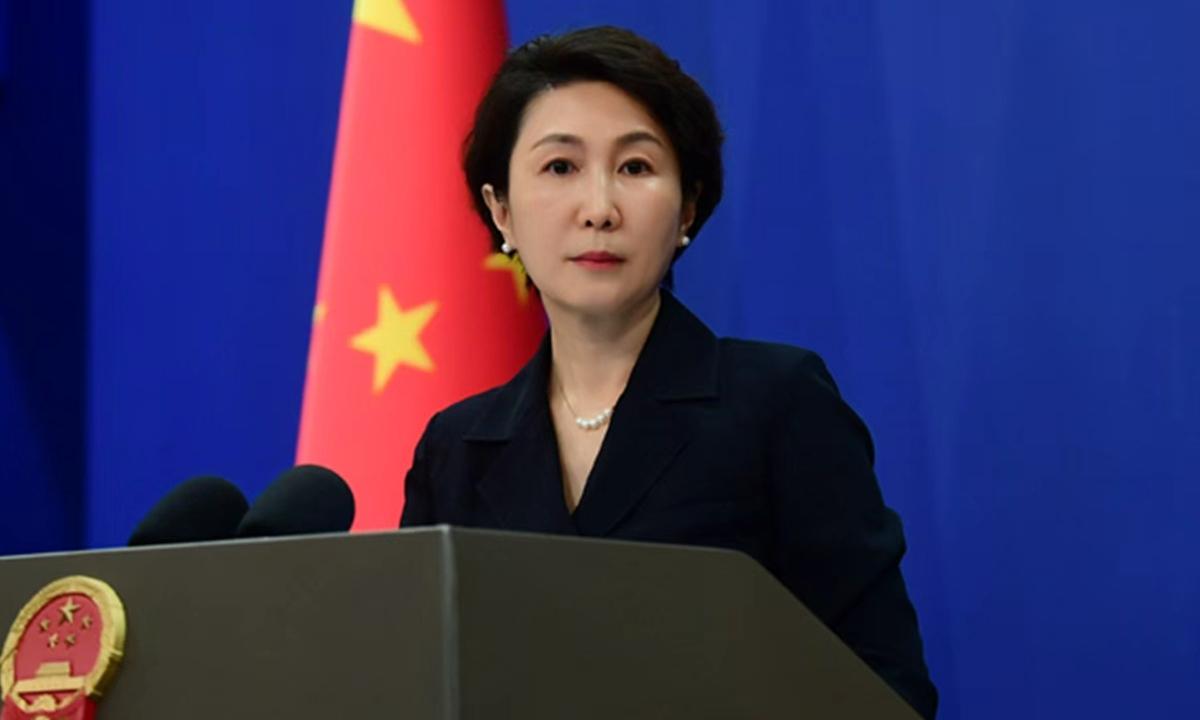
China-Pakistan Five-Point Initiative
The five-point proposal outlined a detailed roadmap addressing immediate de-escalation and broader regional risks. It calls for ceasefire, peace negotiations, protection of civilians, securing maritime routes, and facilitating humanitarian relief.
The initiative warns against attacks on energy facilities and civilian nuclear sites. Europe acknowledged China’s active diplomatic outreach.
China Balances Diplomacy and Military Posture
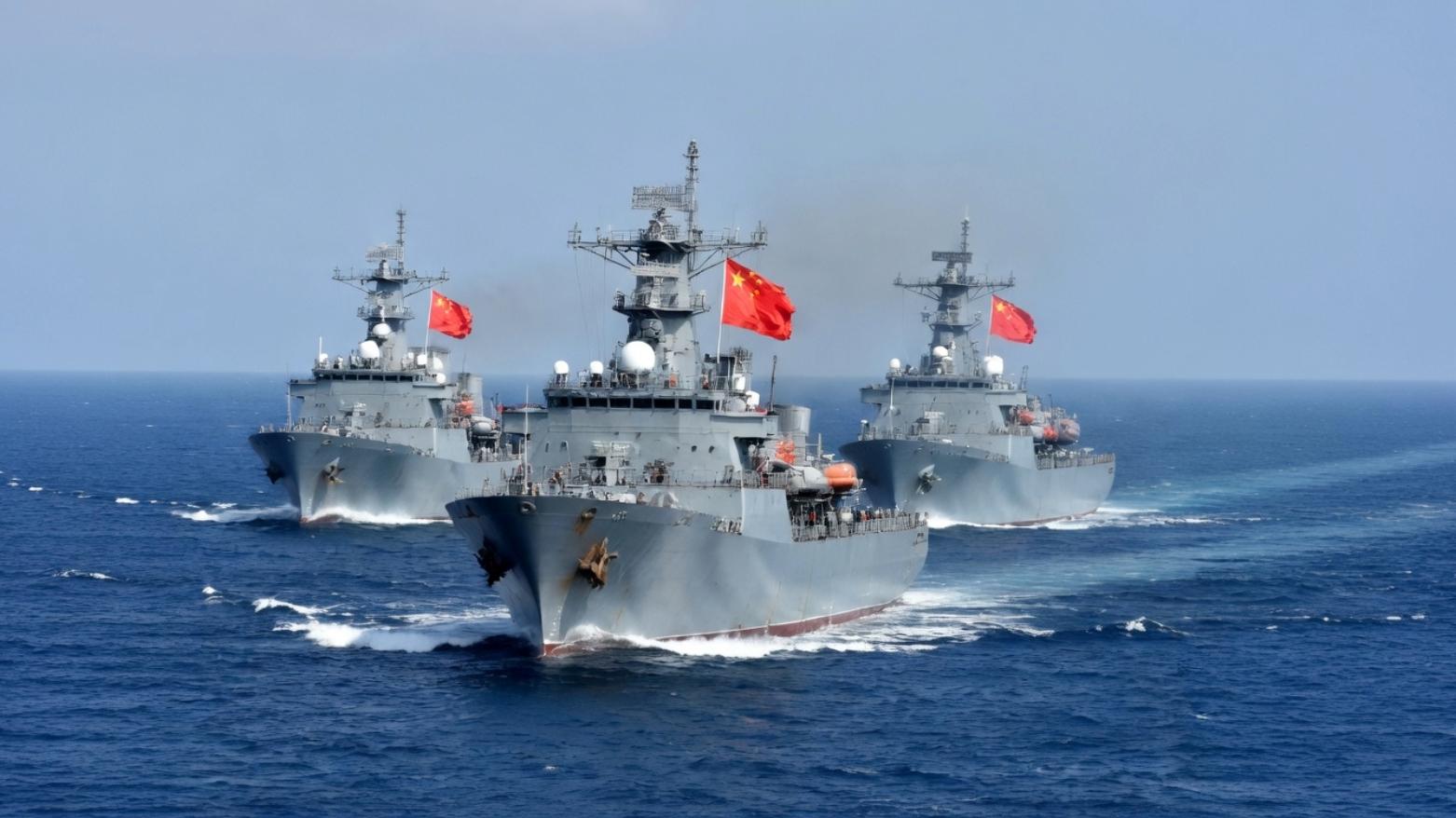
China dispatched warships to the region, an unprecedented deployment outside the South China Sea. Three vessels passed through the Strait of Hormuz while Beijing called for an immediate stop to US-Israeli operations.
China remained cautious about joining a US-led coalition, focusing on de-escalation. Beijing is asserting its role while avoiding entanglement in a conflict it did not initiate.
Wider Regional and Global Impact
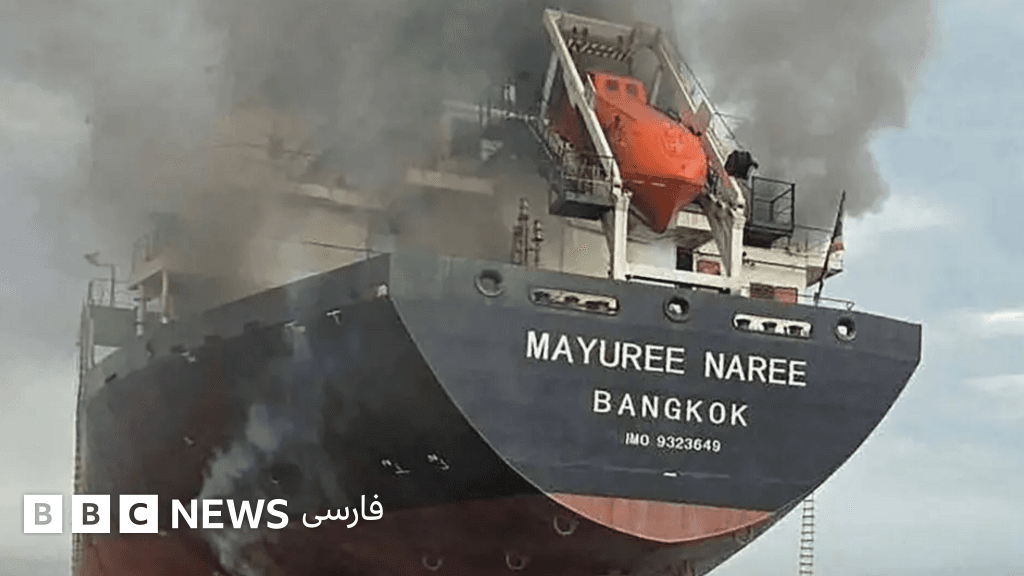
China’s involvement came as the war approached its sixth week with over 1,300 Iranians killed. The Strait closure disrupted about $1 trillion in trade daily.
China faced a direct impact as the region accounts for 44% of its oil imports. Two large Chinese container ships passed through Hormuz, signaling tentative normalization.