Iran23 August, 20263 min read
Iran Threatens Military Response as Pakistan Army Chief Asim Munir Visits Tehran Monday
Asim Munir will visit Tehran Monday for high-level talks on regional peace and security. Iran's foreign ministry confirms the visit as part of Pakistan's mediation for regional peace.
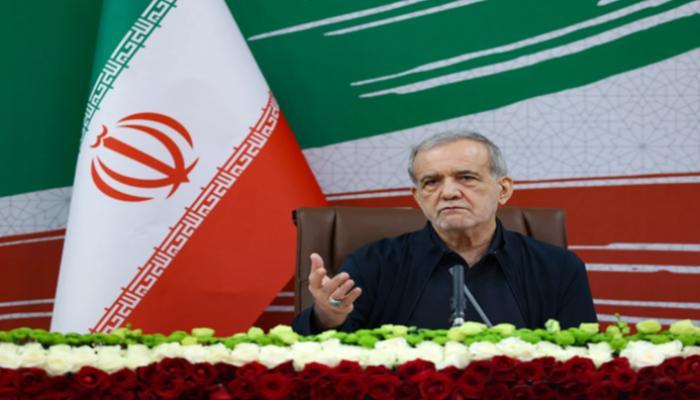
Munir heads to Tehran
Pakistan’s army chief Field Marshal Asim Munir is scheduled to travel to Tehran on Monday for talks with Iranian officials, with Iran’s foreign ministry spokesperson Esmaeil Baqaei saying the visit aims to strengthen bilateral cooperation and support Pakistan’s efforts to promote peace and security in the region. Dawn reported that the Chief of Defence Forces (CDF) Munir would lead an official delegation and that the “visit aims to strengthen bilateral cooperation between Iran and Pakistan and to continue Pakistan’s good offices in support of peace and security in the region”.
The same Reuters-linked reporting said the trip comes amid heightened tensions as Iran threatens a military response to US plans for sanctions that could further strain Iran’s economy, and it will coincide with a Monday announcement on details related to the planned sanctions. Dawn also tied the timing to US officials’ description of the measures as “the toughest sanctions in history” on Iran, while noting oil shipments are at a virtual standstill in the Strait of Hormuz and Tehran threatens to strike any unauthorised oil tankers trying to transit the waterway.
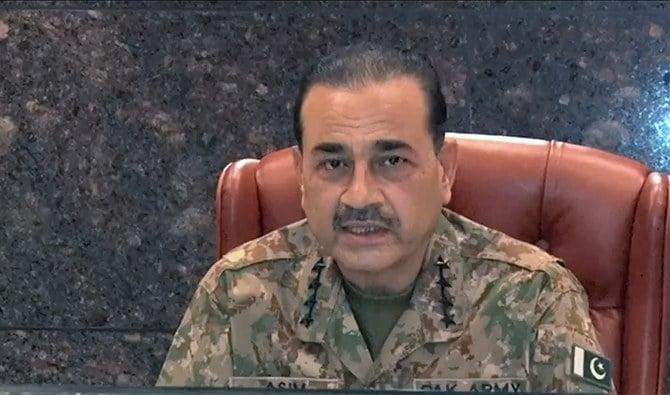
Calls and stalled talks
In parallel with the planned Tehran visit, Iranian Foreign Minister Abbas Araghchi held phone discussions with Pakistan’s army chief Asim Munir on Saturday about regional developments and ways to strengthen peace, stability and security in West Asia, according to Iranian government statements cited by Anadolu Ajansı. Anadolu Ajansı said the two discussed “ways to revive long-stalled direct talks with the US to end the months-long war,” and it reported that Pakistan and Qatar were pushing to bring the warring sides to the table after the expiration of a 60-day deadline to reach a final agreement.
The reporting also described how the US and Iran signed a memorandum of understanding on June 17 and launched negotiations toward a final agreement, but talks later stalled over disagreements on security guarantees and freedom of navigation through the Strait of Hormuz. Hindustan Times added that the visit comes as Islamabad tries to revive its mediation efforts in stalled US-Iran peace negotiations, and it said Iran’s foreign ministry spokesperson Esmaeil Baghaei told reporters that Munir would be accompanied by a delegation for high-level talks with Iranian leadership.

Sanctions, shipping, and risk
The sources connect the Tehran diplomacy to a sanctions showdown, with Arab News reporting that US Treasury Secretary Scott Bessent threatened “the toughest sanctions in history” on Iran and that Iran’s foreign ministry spokesperson Esmaeil Baqaei called the imminent US announcement an “assertion of extraterritorial sovereignty over every independent member state of the United Nations.” Arab News also said oil shipments are at a virtual standstill in the Strait of Hormuz, with Tehran threatening to strike any unauthorized oil tankers that try to transit the vital waterway, while Iran’s economy is already under immense pressure from sanctions.
Hindustan Times described the same Strait of Hormuz dispute as the key sticking point in the stalled Memorandum of Understanding, saying shipping has been disrupted because of the war that started on February 28 after the US and Israel launched joint attacks on Iran and triggered retaliatory strikes. It further reported that Iranian President Pezeshkian defended the MoU as the best way for Iran to move beyond what he described as a situation of “neither war nor peace,” while Mohsen Rezaei threatened Tehran’s neighbours against joining the new US effort to hurt Iran’s economy.