Iran22 August, 20262 min read
Mohammad Bagher Ghalibaf Says Iran Received Numerous Messages From Neighbors On New Security Deals
Several neighboring countries sent messages to Tehran seeking new security arrangements. Messages also call for expanded regional economic cooperation amid regional tensions.
i24NEWS was read line by line by the Watchdog: 5.8. See the score →
Neighbors seek new order
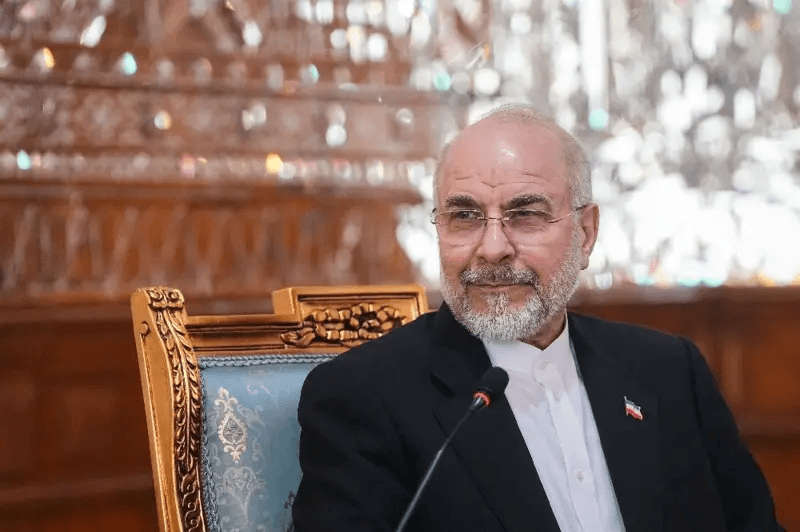
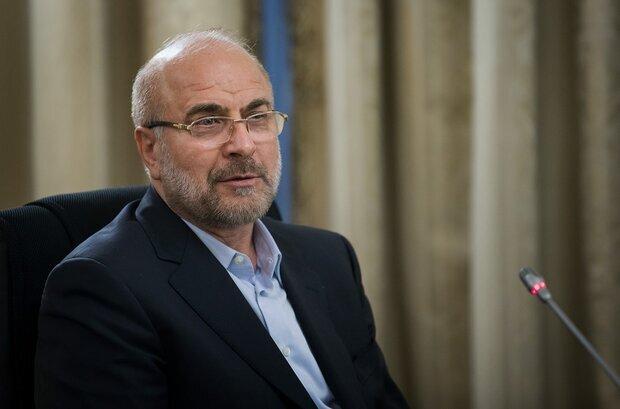
Iran’s parliament speaker Mohammad Bagher Ghalibaf said on Saturday that Tehran had received “numerous messages” from neighboring countries about “shaping new security arrangements and economic cooperation in the region,” while accusing the United States of putting its allies at risk “for the sake of Israel.” Ghalibaf made the remarks in a post on X, saying Iran had received “numerous messages” from neighboring countries regarding the formation of new regional security arrangements and economic cooperation.
The claims came as Iranian President Pezeshkian said on Friday that the war had to end “at some point,” and also said the world had already “approved our (Iran’s) victory.” The same push for a “homegrown, independent order” was echoed in other coverage, with Ghalibaf arguing that such an independent order could bring peace and security to the region.
Sanctions and Hormuz
Iran denounced US plans to announce new sanctions that could strain the Islamic Republic’s economy and affect its most important trading partners, including China, after nearly six months of war following US and Israel airstrikes against Iran on February 28.
The Jerusalem Post reported that US Treasury Secretary Scott Bessent is due to hold a press conference at 2 p.m. EDT (1800 GMT) on Monday after threatening "the toughest sanctions in history" on Iran, while Iran’s Foreign Ministry spokesperson Esmaeil Baghaei called the sanctions an “assertion of extraterritorial sovereignty over every independent member state of the United Nations.”
The same article said oil shipments were at a virtual standstill in the Strait of Hormuz, with Tehran threatening to strike any unauthorized oil tankers that try to transit the vital waterway.
It also reported that only four commodity ships sailed along the strait on Thursday, and that Iran granted permission for a number of Iraqi oil tankers to pass through the Strait following repeated requests from Baghdad, Iran’s state news agency IRNA reported on Saturday.
Threats, responses, and pressure
As Washington warned countries against providing “any type of lifeline to Iran,” US President Donald Trump said on Friday that Washington was observing "what happens" in the conflict, while Iran’s chief of staff Major General Ali Abdollahi promised on Friday that Iran would respond to enemy threats militarily with "crushing, punishing and devastating responses." The Jerusalem Post also said the Strait of Hormuz remained bottled up with thousands of seafarers stranded on hundreds of vessels, and that US Energy Secretary Chris Wright said the US military helped move a seven-day average of 8 million barrels a day of oil through the strait.
In parallel, Iran’s push for regional arrangements was framed as a response to US pressure, with WANA News Agency saying Ghalibaf responded to Trump’s threats against countries that continue trade and economic cooperation with Iran by saying Tehran had received multiple messages from neighboring states about establishing new regional security and economic arrangements. WANA reported that Ghalibaf called for “an indigenous and independent order” that could bring genuine peace and security to the region, while tying the remarks to the warnings targeting countries maintaining economic and commercial ties with Iran.