Iran22 August, 20263 min read
Trump Threatens Economic D-Day Against Iran as Strait of Hormuz Stays Blocked
Trump vows economic D-Day with new sanctions against Iran. Oil shipments through the Strait of Hormuz remain blocked amid tensions.
NBC News was read line by line by the Watchdog: 2.0. See the score →
Economic D-Day threat
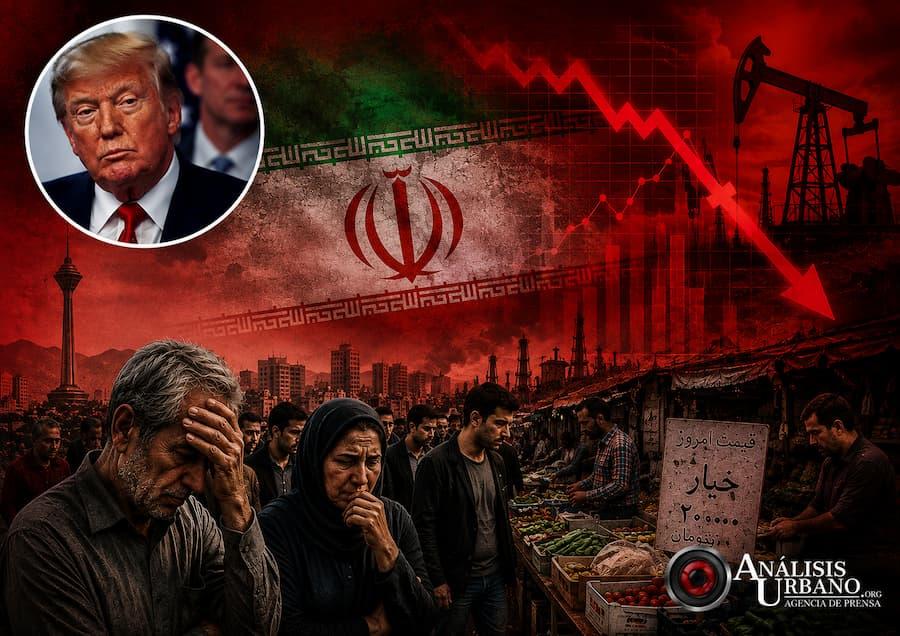
U.S. President Donald Trump threatened an “economic D-Day” against Iran as oil tankers and container vessels sat at a standstill in the Strait of Hormuz on Monday, with the Trump administration promising an “unprecedented” level of economic warfare and isolation aimed at forcing Iran to end its nuclear program and fully reopen the strait.
Iran’s Foreign Minister Abbas Araghchi responded by posting on X that, “We have seen this movie before. Same bull. Different bullies.”
Treasury Secretary Scott Bessent told CNBC that the U.S. would create “the greatest coordinated economic isolation in the history of the world” and warned that if countries “insist on doing business with them,” the U.S. Treasury and U.S. government would “put its full might and force against you.”
The BBC framed the campaign as a bid to break a conflict “at a standstill,” noting that the exact mechanics of the new pressure campaign remain unclear while Bessent promised to reveal them in a news conference on 24 August.
Iran rejects extraterritoriality
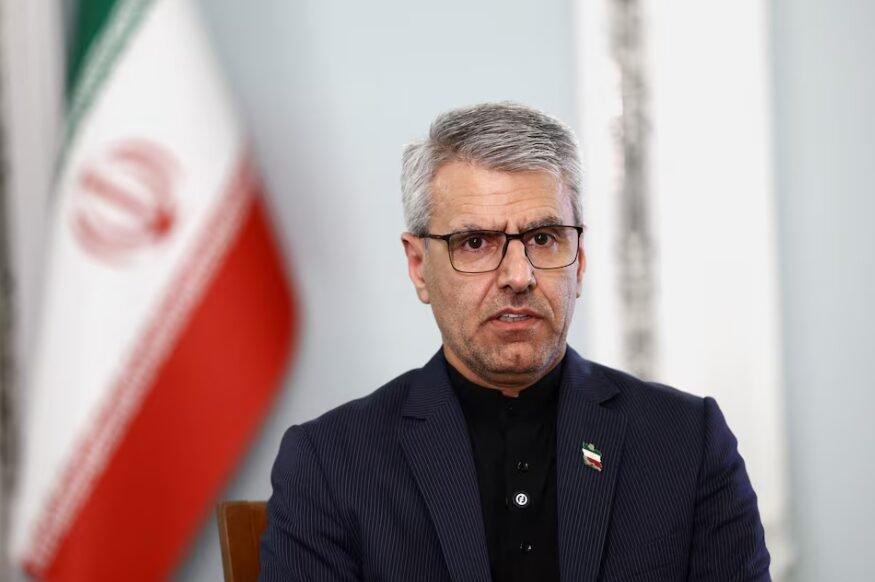
Iran’s Foreign Ministry spokesman Esmaeil Baqaei rejected the U.S. plan as an “assertion of extraterritorial sovereignty over every independent Member State of the United Nations,” saying on X that the sanctions were “far more than continued unlawful 'economic warfare' against a single country.” In the same dispute over pressure and leverage, the BBC reported that Bessent told CNBC, “You are either with us or against us,” and warned that any country that transfers money, buys oil, or conducts “seaborne sea transfers” with Iran would face enforcement “full might and force.”
CNBC added that Vice President JD Vance described the sanctions as the United States’ “most effective tool” and said, “what has been true over the last couple of weeks is they felt a lot more pressure than we have.” The BBC also quoted geostrategy expert Imran Bayoumi saying the latest announcement was “another try at economic pressure,” and Michael Parker describing a likely effort to “expand the economic blast radius” by targeting third countries whose economies depend on the US dollar.
Strait bottleneck and next moves
As the U.S. prepares further economic squeeze, the NBC News account said the Strait of Hormuz remained bottled up with “thousands of seafarers stranded on hundreds of vessels,” while only four commodity ships sailed along the strait on Thursday.
“Fully reopening the waterway has been a key U.S. demand.”
NBC News reported that Iran granted permission for Iraqi oil tankers to pass through the strait after repeated requests from Baghdad, with IRNA saying obtaining special permission for Iraqi tankers was one of Baghdad’s main requests during Mohammad Bagher Ghalibaf’s visit to Iraq.
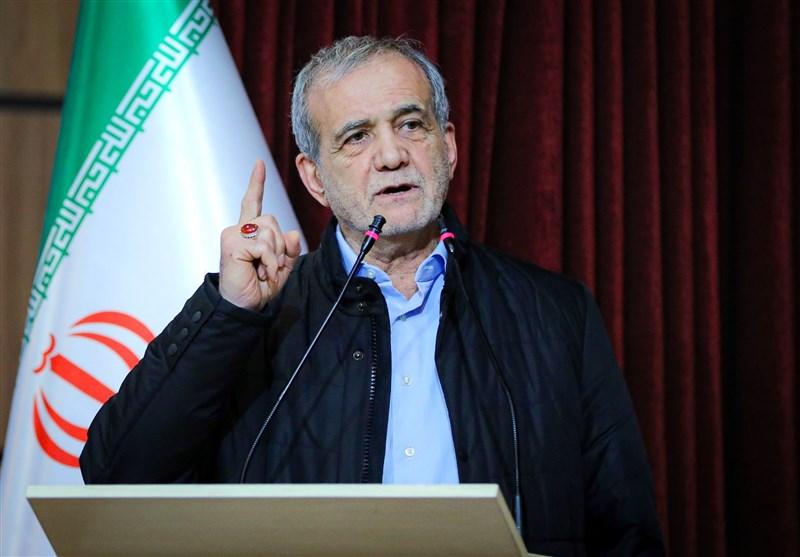
In response to the U.S. campaign, Iran’s chief of staff of the armed forces, Maj. Gen. Ali Abdollahi, promised on Friday that Iran would respond militarily with “crushing, punishing and devastating responses,” while Masoud Pezeshkian called for ending the war “today” when Iran is “powerful and have dignity.”
The AP described the U.S. demand for fully reopening the waterway as central to the sanctions push, and it noted that the conflict was nearing the six-month mark with the Trump administration touting a crushing financial campaign as it faced diminishing stockpiles of key weapons.