China02 November, 20253 min read
China Lifts Semiconductor Export Restrictions After Trump-Xi Meeting, Ending US-China Tech Standoff
This article is an automated aggregation of coverage from news outlets. Our editorials offer in-depth analysis curated by the NewsCord team.
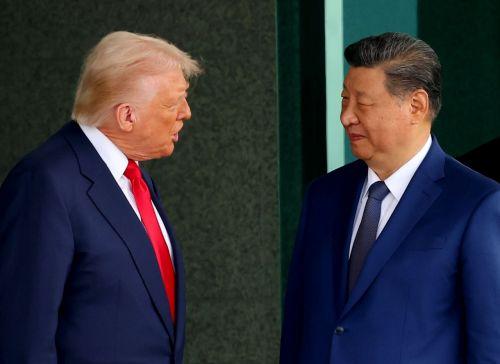
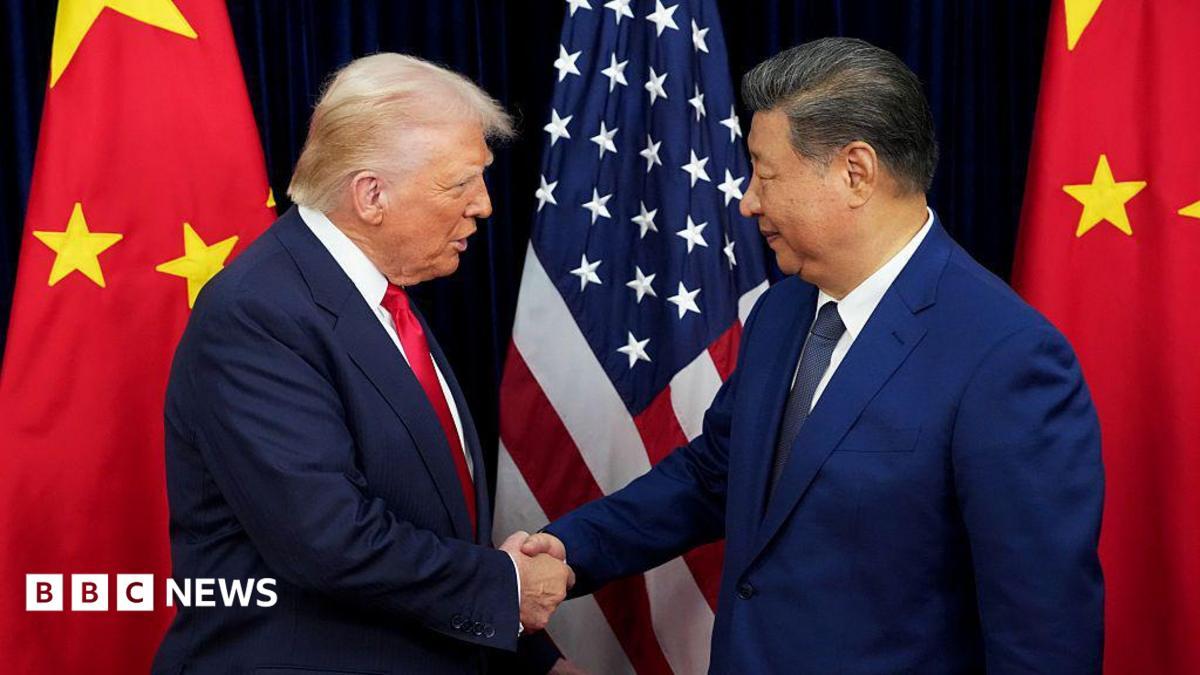
China partially lifted export ban on Nexperia chips after Dutch government seized the company. The export easing follows a trade agreement between Presidents Trump and Xi to reduce tensions.
25 outlets told this the same way.
China's Semiconductor Export Changes
China has partially lifted its semiconductor export restrictions following a Trump–Xi meeting and a broader trade truce. This move eases an acute squeeze on Europe’s auto supply chain. Western mainstream outlets report that the change specifically unlocks some Nexperia shipments after Dutch authorities took control of the Chinese-owned chipmaker, which triggered China’s curbs.
“After EU pressure, China partially lifted the export ban on some Nexperia chips, allowing limited shipments to resume.”
Brussels talks are ongoing as limited exports resume. Western alternative coverage emphasizes that Beijing’s Commerce Ministry is granting exemptions on a case-by-case basis rather than issuing a blanket reversal.

Asian reporting highlights a parallel White House decision to allow shipments from Nexperia’s Chinese facilities, framing it as part of a wider de-escalation in the technology trade conflict. Other sources add that Beijing formally announced exemptions for qualifying Nexperia orders to Europe, aiming to stabilize global supply chains while broader disputes with the Netherlands and the U.S. continue.
Trade Truce and Export Controls
Several outlets frame the easing as part of a wider trade truce with parallel concessions beyond chips. Western Alternative Euractiv reports EU-China talks that secured a 12-month suspension of Beijing’s rare-earth export controls. Western Mainstream RFI notes Germany’s welcome of easing linked to a broader China-U.S. deal, but says EU-China talks on export controls didn’t specifically address Nexperia.
Asian coverage from South China Morning Post and West Asian reporting from El-Balad describe an expansive package. The U.S. extends tariff pauses and cancels a planned 100% tariff. China issues general licenses for rare earths and suspends controls on gallium, germanium, antimony, and graphite.
China also ends investigations targeting U.S. semiconductor firms. A local Western lens from EconoTimes characterizes it as a one-year extension of a semiconductor trade truce and a pause in escalation.
Impact of Supply Chain on Automakers
The supply‑chain impact is immediate for Europe’s carmakers. Western Mainstream outlets say Nexperia supplies nearly half of the simple electronic components used in European automotive manufacturing, and alternatives require lengthy approvals—making even partial resumptions critical. Asian reporting notes the White House move to restart shipments aims to avert shutdowns at automakers such as Honda and Stellantis.
“Nexperia... provides nearly half of the chips used in the European automotive industry... European automakers risk production stoppages due to challenges in finding alternative chip sources.”
Other and Local Western sources detail that China’s exemption decision came after the Netherlands took control of Nexperia, with exemptions now easing fears of shortages for Volkswagen, Volvo, and others. Additional lists cite disruptions for Nissan, Honda, Mercedes‑Benz, and Volkswagen, underscoring the breadth of exposure.
Nexperia Dispute and Global Responses
The trigger and legal backdrop also diverge in coverage. Western mainstream reporting notes Dutch control of Nexperia on national-security grounds and China’s retaliatory re-export ban. The UK and U.S. add pressure via a forced U.K. divestment and placing Wingtech on a U.S. security list.
Other and local Western sources stress China’s criticism of Dutch interference and portray the current relief as conditional—case-by-case approvals rather than a full lift. African coverage adds that Nexperia stopped sending chips to China for processing amid the dispute. Broader analyses argue the episode highlights U.S. decoupling versus Europe’s risk-reduction approach.

Global Supply Chain Challenges
Even with the easing, most outlets warn the fix is partial and temporary. ‘Other’ analysis notes case‑by‑case approvals, persistent geopolitical risk, and Europe’s dependency—spurring EU goals to lift domestic output to 20% by 2030. Western Mainstream outlets say Germany welcomed the easing but is still assessing impacts.
“The exemption... allows limited, case-by-case approvals... accelerating efforts toward... boosting domestic chip production, including the EU’s target to produce 20% of global semiconductors by 2030... leaving the broader tech cold war unresolved.”
Western Alternative reporting points to the 12‑month rare‑earth suspension as a stabilizer. African and ‘Other’ sources say industry groups still warn of continued shortages without full lifting.
Diplomatic accounts frame the Trump–Xi talks as aimed at protecting global supply chains. Experts caution the broader tech ‘cold war’ remains unresolved.