China12 October, 20252 min read
China Rejects Trump’s 100% Tariff Threat and Warns of Retaliation
China refuses to yield to Trump’s 100% tariff threat and urges negotiation. China warns it will take retaliatory measures if the U.S. imposes tariffs.
16 outlets told this the same way.
US-China Tariff Dispute
China rejected President Donald Trump’s threat to impose a 100% tariff on all Chinese imports by November 1. Beijing urged Washington to settle disputes through negotiations rather than threats. China warned it is not afraid of a tariff war or of taking countermeasures.
“China has responded firmly to U.S. President Donald Trump's threat to impose a 100% tariff on Chinese imports by November 1, urging the U.S. to resolve trade disputes through negotiations rather than threats.”
Multiple outlets report Beijing’s message as firm but calibrated, stating it does not want a tariff war yet is not afraid of one. The Commerce Ministry pushed dialogue over escalation and signaled retaliation if the U.S. proceeds with tariffs.

The standoff follows Trump’s threat, which Beijing links to its new controls on rare earth exports. This dispute risks derailing a potential Trump–Xi meeting and ending a fragile tariff truce.
China-US Rare Earth Trade Dispute
A key trigger is China’s new restrictions on rare earth exports, which are materials vital to civilian and military technologies. Following these restrictions, Trump threatened to impose a 100% tariff by November 1. Several outlets note China’s dominant role in rare earth mining and processing.
One Western mainstream account mentions that Beijing is now requiring special approvals for certain exports. The tariff confrontation is therefore closely tied to supply-chain leverage and the political optics of who yields first.

Trade Dispute and Retaliation
The confrontation is expanding beyond tariffs to include reciprocal port fees and new export-control threats. Galvnews reports that Trump also threatened export controls on unspecified “critical software.” The report notes U.S. port fees on Chinese ships and China’s reciprocal fees on American vessels.
“China criticized recent U.S. export controls on Chinese companies and new port fees on Chinese ships, to which China has responded with reciprocal fees on American vessels.”
Brisbane Times similarly reports that the U.S. will start new port fees on Chinese ships Tuesday. China will retaliate with its own fees in response.
Asian coverage adds that both sides have recently imposed new trade restrictions and retaliatory port fees. These actions are deepening the ongoing standoff.
US-China Trade Dispute Impact
Across outlets, the dispute is widely portrayed as jeopardizing a potential Trump–Xi meeting and threatening a fragile truce. This truce could unravel under mounting tit-for-tat actions between the two countries. Some coverage also situates the moment within a longer arc of surging trade barriers.
Earlier in the conflict, tariffs briefly exceeded 100% on both sides. Meanwhile, both Washington and Beijing accuse each other of violating the truce by layering on new restrictions.
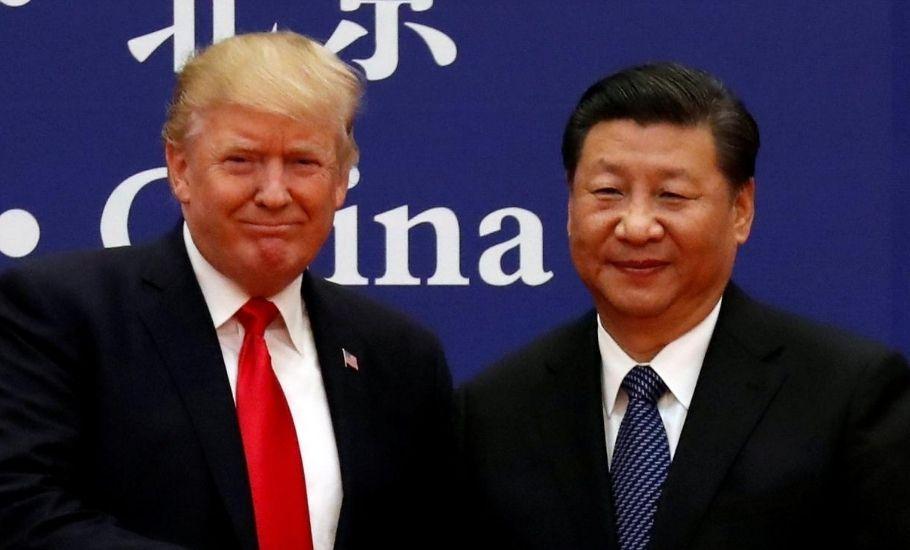
China's Response to U.S. Actions
Beijing’s messaging challenges U.S. behavior on principle. Asian coverage reports China accusing Washington of double standards and condemning unilateral restrictions. China pledges corresponding measures if the U.S. proceeds with its actions.
“China accused the US of ‘double standards’ after President Donald Trump announced a 100% tariff increase on Chinese goods.”
At the same time, China reiterates it prefers dialogue and is not afraid of a tariff war. Western Alternative and Asian outlets echo the same core message. Western Mainstream reports present it more neutrally as China’s refusal to back down and call for negotiations.
