China28 October, 20253 min read
China Signs Expanded Free Trade Agreement with ASEAN to Counter US Tariffs
China and ASEAN signed an upgraded free trade agreement covering digital and green economies Chinese Premier Li Qiang promoted the pact as an alternative to US protectionist tariffs

17 outlets told this the same way.
ASEAN-China Trade Agreement Update
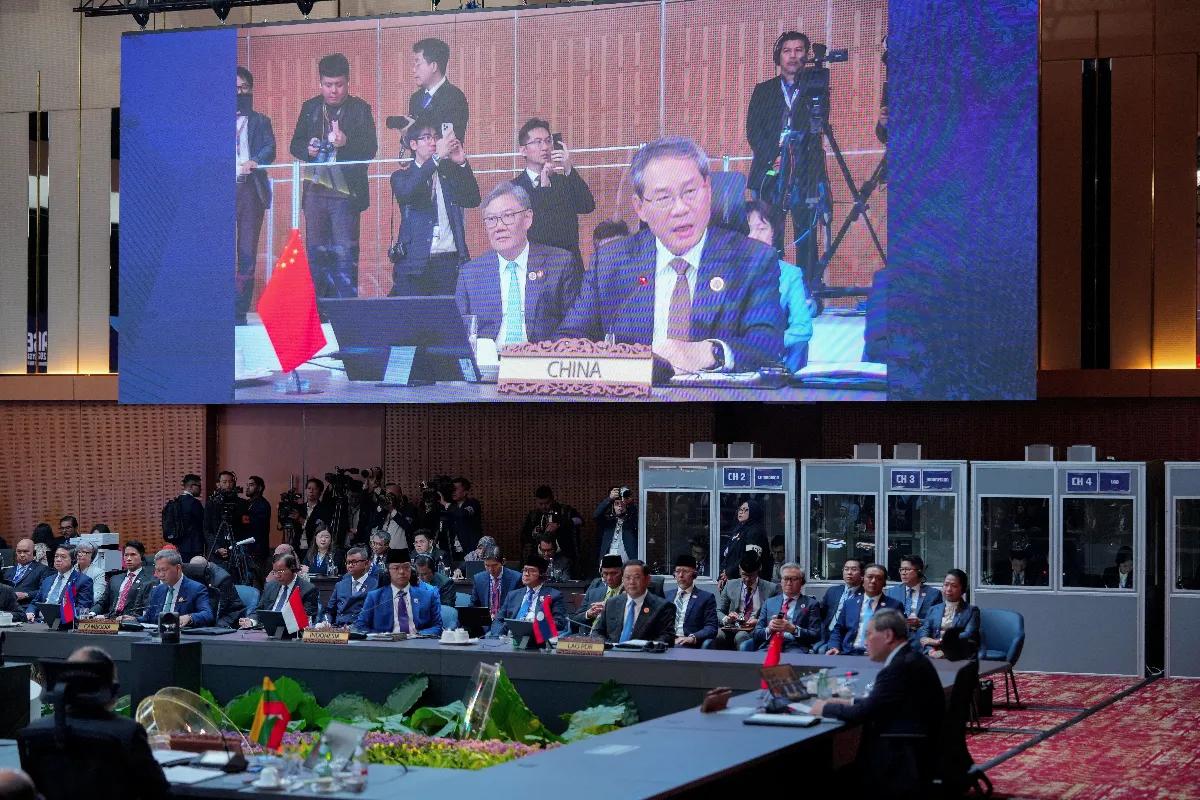
ASEAN and China signed the upgraded ASEAN-China Free Trade Area 3.0 at the ASEAN summit in Kuala Lumpur, Malaysia. This marks the third revision of an agreement originally signed in 2002 and effective since 2010. The pact covers over 2 billion people and aims to lower tariffs and streamline access.
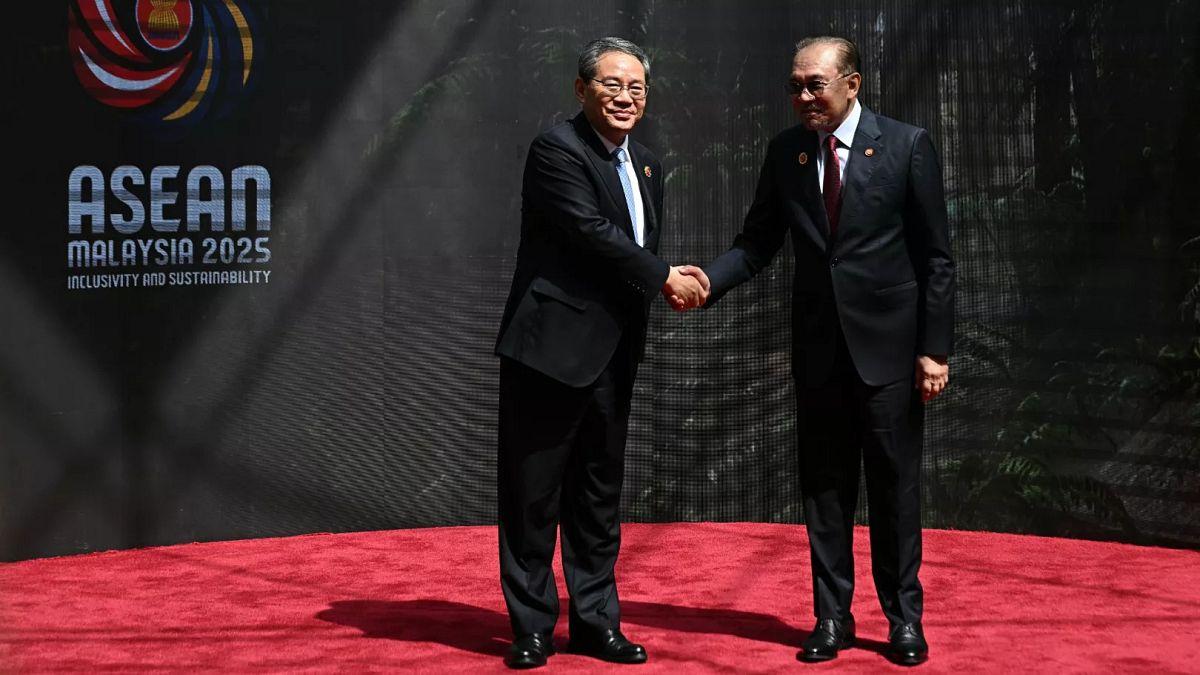
It also expands into digital trade, the green economy, and support for small and medium-sized enterprises (SMEs). Chinese Premier Li Qiang and Malaysian Prime Minister Anwar Ibrahim attended the signing. Several outlets describe the agreement as strengthening multilateralism and free trade amid global challenges.
Reported trade volumes highlight the relationship’s scale and momentum, with two-way trade rising from $235.5 billion in 2010 to nearly $1 trillion recently. ASEAN is named as China’s largest trading partner, with trade valued at US$771 billion in 2024, depending on the source and time window referenced.
Trade Pact and U.S. Tariffs
Multiple outlets link the upgrade to countering U.S. tariffs and protectionism. KOB and WKMG say Li Qiang pitched the pact as a cooperative alternative to U.S. protectionism under President Donald Trump. Euronews reports analysts see the deal as shoring up supply chains as U.S.-China tensions escalate.
Others flag a potential near-term thaw in relations. Click2Houston and Euronews point to a possible easing ahead of an expected Trump–Xi meeting. The Sun Malaysia reports negotiators agreed on a “trade truce,” pending leaders’ approval in Seoul.
Al Jazeera, focusing on Trump’s bilateral approach, reports he signed deals with Cambodia and Malaysia and framework agreements with Thailand and Vietnam at the summit. These agreements set reciprocal tariff rates between 19–20 percent. Al Jazeera also references a separate US–China “framework agreement” meant to avert a threatened 100 percent tariff hike on Chinese goods.
FTA 3.0 Economic Impact
Economically, sources say FTA 3.0 deepens integration by reducing tariffs and regulatory barriers and widening coverage to digital trade and the green economy, alongside traditional goods and services. Mint and The Straits Times emphasize expanded cooperation into the digital and green economy plus agriculture and pharmaceuticals. Click2Houston and KOB stress benefits for SMEs, supply chains, and sustainability.
Euronews adds that the pact enhances services and investment flows, reflecting attempts to keep regional value chains resilient as global protectionism rises. Several Asian and other outlets also situate the deal within RCEP, the world’s largest trading bloc, which some view as a buffer against U.S. tariffs.
South China Sea Tensions and Trade
Security frictions, especially in the South China Sea, overshadow the economic push. AP News reports Li’s call for unity while Marcos Jr. countered that cooperation must not coexist with coercion, reflecting ongoing maritime disputes with China.
WKMG and KOB echo these tensions, noting Marcos’s criticism even as he welcomed the trade deal. Click2Houston underscores ASEAN’s effort to compartmentalize: countries with overlapping claims view the maritime disputes separately from economic cooperation and aim to finalize a Code of Conduct to manage tensions.

Negotiation Timelines and Trade Relations
Timelines and details vary across sources regarding the negotiations. The Straits Times dates the signing to October 28, 2025, and says negotiations began in November 2022 and concluded in May 2025. Mint and The Sun Malaysia report that talks began in late 2022 and concluded in May 2023.
Regarding U.S.–China dynamics, Euronews and Click2Houston mention an expected Trump–Xi meeting and possible easing of tensions. The Sun Malaysia reports a trade truce awaiting approval in Seoul.
Al Jazeera details separate bilateral tariff rates of 19–20 percent and a tariff framework agreement intended to prevent a threatened 100% hike on Chinese goods. These discrepancies suggest uncertainty about the precise negotiation endpoints and the scope or status of parallel U.S.–China arrangements.