Full story
Clean power wasted, coal rebounds
China wasted large amounts of wind and solar power as captured clean energy hit bottlenecks, and a report said the curtailed energy exceeded the 258 terawatt-hours of power demand growth in the first half of this year.
“The curtailed energy exceeded the 258 terawatt-hours of power demand growth during the period”
The same report said coal-fired power generation rebounded by 3.4 per cent year on year in the first half, reversing the 2025 decline, and it argued that “the rebound in coal power generation reflected limits in grid integration, dispatch, and power trading rather than a national shortage of clean electricity.”
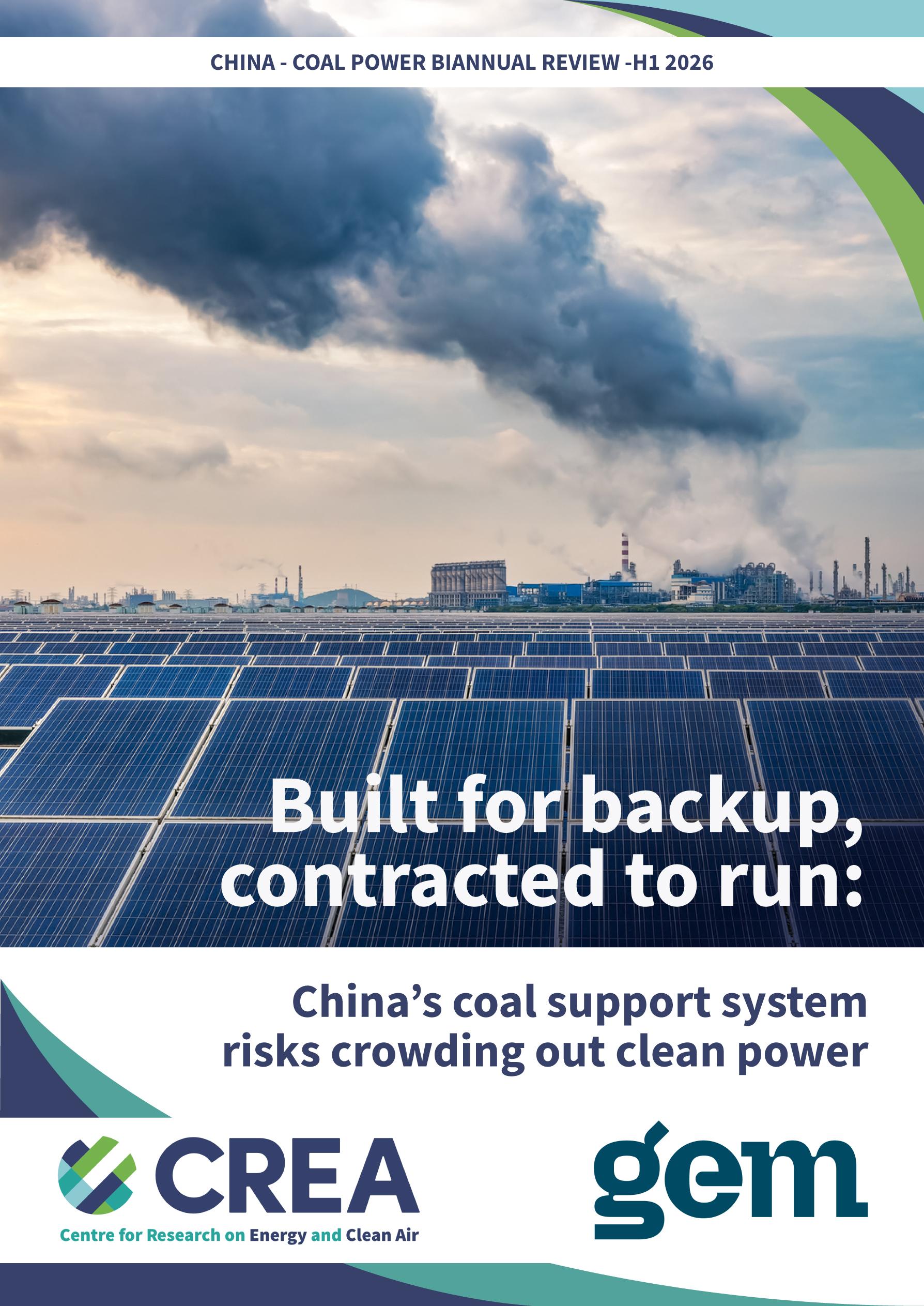
Curtailment was concentrated in major power-exporting areas, including the northern border of Inner Mongolia autonomous region, western Xinjiang Uygur autonomous region and the mountainous plateau of northwest Qinghai province, where around 15 per cent to 30 per cent of wind and solar power was wasted through the year through June.
By contrast, power-demanding regions like Guangdong and Zhejiang saw curtailment rates below 3 per cent, according to the report described by the South China Morning Post.
The Straits Times framed the pattern as “green growing pains,” saying an estimated 360 terawatt-hours of solar and wind power went untapped between January and June 2026 due to bottlenecks and policies propping up coal use.
Curtailment, contracts, and quotes
Qi Qin, a policy analyst at the Centre for Research on Energy and Clean Air (CREA) who authored the Aug 6 report, told The Straits Times that “Curtailment is the biggest challenge in China’s energy transition, especially in the power sector.”
She said the core problem was that “China is adding wind and solar power faster than the power system is becoming flexible enough to use them,” linking the waste to grid constraints rather than a lack of clean generation.
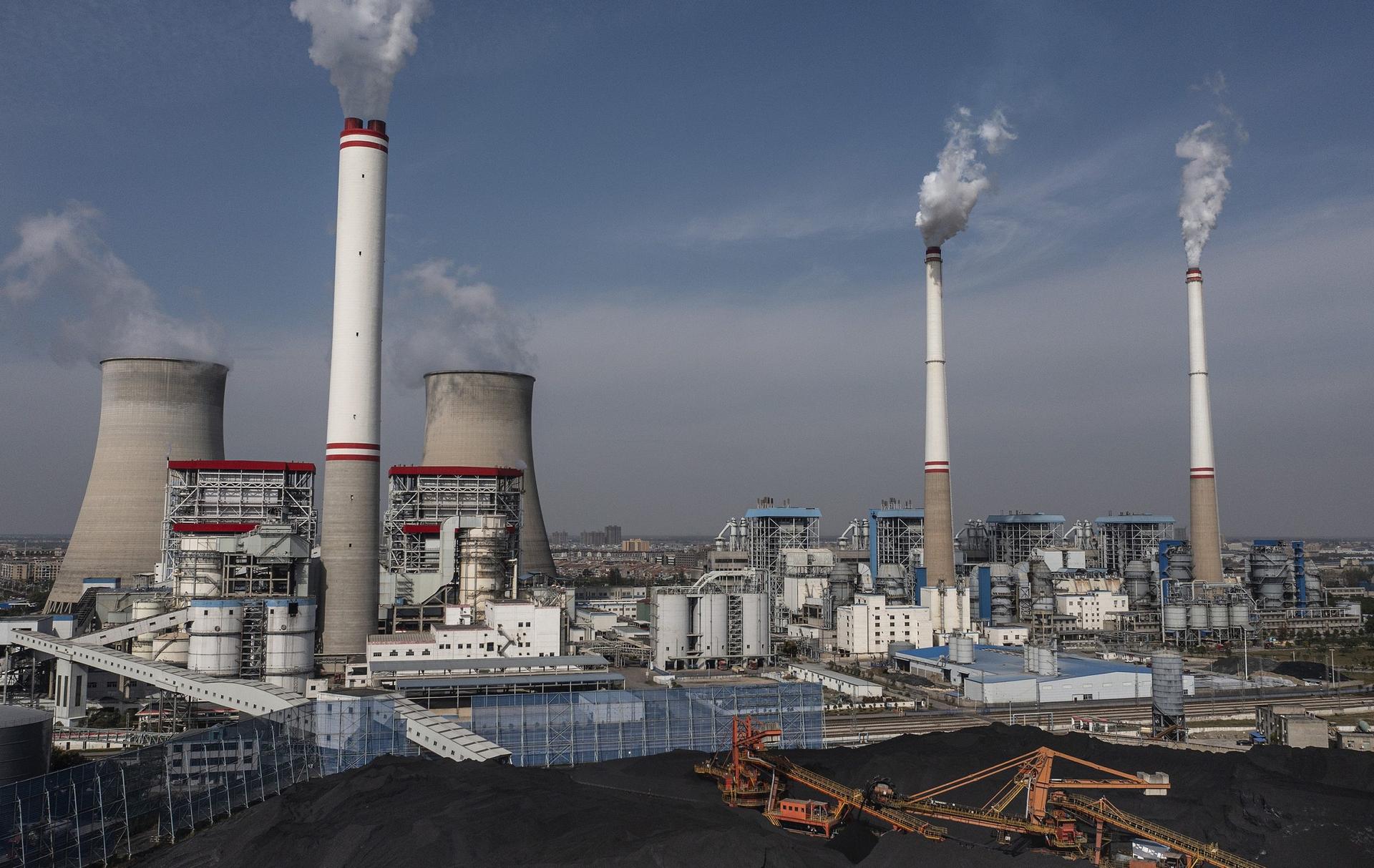
The Straits Times also described how policy protections can lock in coal use, flagging long-term contracts that lock grid operators into buying minimum volumes from local coal plants.
In the same reporting, CREA and Global Energy Monitor warned about a coal “lock-in,” and the report argued that coal generators burn even when renewable energy is plentiful and cheap.
Climate Home News added that Qi called the coal lock-in a “climate concern,” saying that after coal plants are built they will seek revenue and operating hours for decades and can crowd out clean power.
What comes next for China’s grid
CREA and Global Energy Monitor research described how China commissioned 30 GW of new coal power in the first half of 2026, up 43% from last year, while retiring only 2.7 GW, and it said another 25.4 GW started construction.
“Coal generators in 2026 are still expected to sign annual contracts covering 60-70% of the previous year’s delivered electricity”
The same report said estimated wind and solar curtailment reached 360 TWh in H1 2026, up 49% year-on-year, and it warned that if the electricity had been absorbed, the additional power supply could have met all demand growth and allowed coal power generation to fall.
It also warned that long-term contracts continue to reserve a substantial share of limited electricity demand for coal power, with coal generators in 2026 expected to sign annual contracts covering 60-70% of the previous year’s delivered electricity.
CREA’s recommendations included phasing out coal power-specific minimum requirements for medium- and long-term contracts in provinces experiencing renewable curtailment or oversupply, and it said capacity payments should reward dependable availability, ramping capacity, start-up performance, and delivery during periods of system stress rather than installed coal capacity alone.
The Straits Times added that China is building record amounts of solar and wind capacity while the report warned of coal “lock-in,” and it said the expansion of coal power output rose 3.4 per cent in the first half of 2026, reversing a decline in 2025.