China26 September, 20252 min read
China’s Premier Li Qiang Warns Against ‘Cold War Mentality’ at UN General Assembly
Li Qiang warned against rising unilateralism and a return to Cold War mentality. He criticized protectionist trade measures and tariff hikes harming global economic growth.
25 outlets told this the same way.
China's UN Speech on Global Order
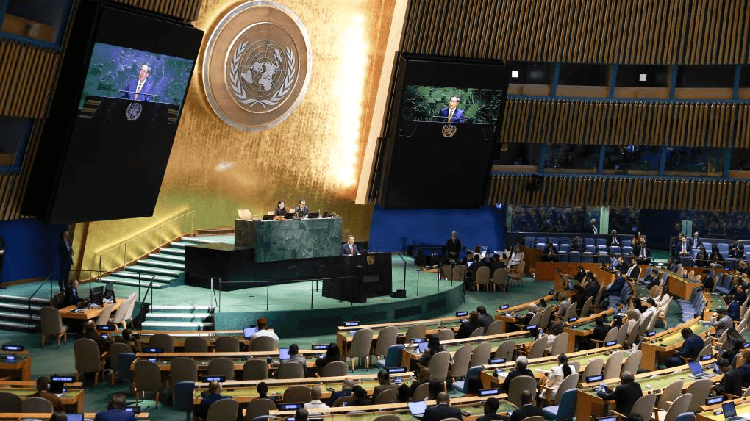
Chinese Premier Li Qiang delivered a significant speech at the United Nations General Assembly. He warned against the resurgence of a "Cold War mentality" and unilateralism, implicitly criticizing the United States without naming it. Li defended multilateralism, free trade, and the existing international order.
“Li highlighted China's commitment to opening its markets and working with the global community to uphold UN ideals.”
He suggested that this order is being challenged by protectionist measures like tariffs. His remarks come amid ongoing tensions between China and the US, particularly over issues like tariffs and freedom of navigation in the South China Sea.
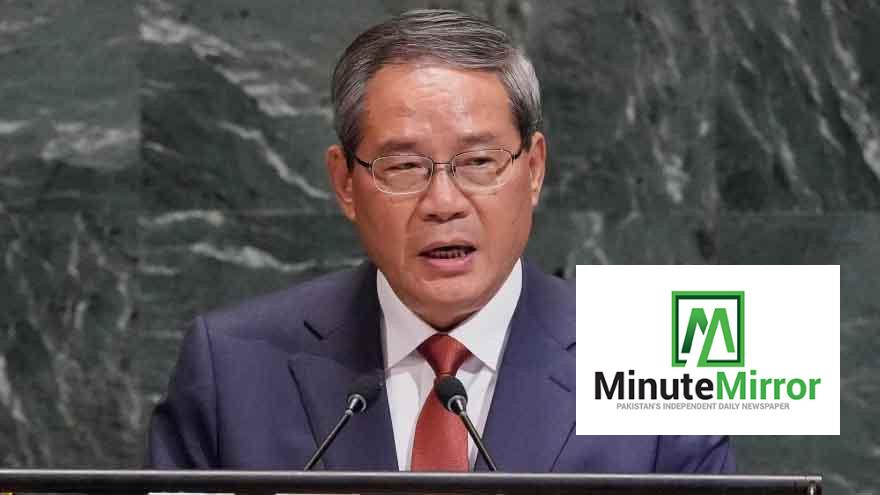
Li emphasized China's commitment to opening its markets and working with the global community to uphold UN ideals. He positioned China as a defender of global peace and security.
China's South China Sea Position
Li's speech also touched on the ongoing tensions in the South China Sea, where the US and its allies have called on China to respect freedom of navigation. The Trump administration's approach favored a more power-based strategy over adherence to international conventions, which has been a point of contention.
Li's address reflects China's effort to balance its assertive international behavior with reassurances of peaceful cooperation. While China seeks to be seen as a responsible global player, skepticism remains due to its actions, especially in the South China Sea.
Li Qiang's UN Speech Highlights
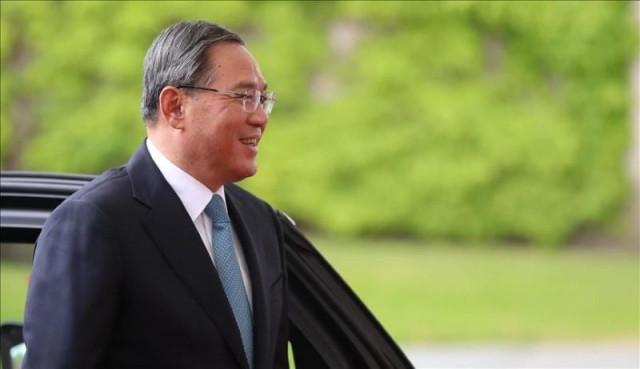
Li Qiang's address at the UN General Assembly was marked by a strong defense of multilateralism and a warning against unilateralism and aggressive global actions. He criticized the resurgence of a "Cold War mentality" and cautioned against a return to a "law of the jungle" world order that could lead to division and violence.
“While he did not announce new policies, his assertive tone marked a significant moment in his growing prominence on the international stage.”
While he did not announce new policies, his assertive tone marked a significant moment in his growing prominence on the international stage. Li emphasized China’s role as a defender of global order amid chaos, contrasting this with U.S. actions, particularly those under the Trump administration, such as tariffs and disputes over apps like TikTok.
China's Global Role and Initiatives
The speech highlighted China's commitment to peace and its significant contributions to UN peacekeeping. It also emphasized China's efforts to promote political solutions in conflicts such as Ukraine and Israel-Palestine. Li criticized tariff hikes and trade barriers, underscoring China’s role as a major driver of global growth.
He pledged continued openness and cooperation through the Belt and Road Initiative. Li called for deeper cultural exchanges and cautioned against ideological divisions. He promoted China’s achievements in renewable energy and advocated for international regulations on artificial intelligence.