
Choking Iran with gas... Israel's 'gamble' that alarms Europe over its catastrophic consequences
Key Takeaways
- Israel aims to target Iran's main income sources and leadership to trigger collapse.
- European officials warn the plan could backfire, prompting Iran to escalate attacks.
- Iran would escalate with drones and missiles, targeting regional infrastructure.
Israel targets Iran gas assets
European officials say Israel believes that striking Iran's main income sources and toppling its leadership could trigger a 'state collapse' of Iran; they warn the outcome would likely be the opposite, with Tehran escalating attacks using remaining drones and missiles against neighbors.
“European officials revealed that Israel believes that targeting Iran's main income sources and toppling its leadership would lead to what Israelis call a 'state collapse' of Iran, but they warned that the result would be entirely the opposite, with Iran escalating its attacks using what remains of its drones and missiles to destroy the infrastructure of its neighbors”
The New York Times report on the matter also notes a rift between U.S. President Donald Trump and Israeli Prime Minister Benjamin Netanyahu over strikes on Iranian gas fields.
State collapse warning
State Collapse The Times quoted European officials — who spoke on condition of anonymity — as saying that 'the military operations in the past few days provided additional evidence of Israel's belief that if it could dismantle Iran's main income sources and topple its political, military, and intelligence leadership, the country would descend into what Israelis call 'state collapse'.'
The paper noted that Israel targeted the Iranian leadership, and by launching an attack on the South Pars gas field, Israel directly damaged Iran's economic capacities.
Opposing outcomes and attacks
The opposite result But European officials warned that this strategy would have exactly the opposite effect.
“European officials revealed that Israel believes that targeting Iran's main income sources and toppling its leadership would lead to what Israelis call a 'state collapse' of Iran, but they warned that the result would be entirely the opposite, with Iran escalating its attacks using what remains of its drones and missiles to destroy the infrastructure of its neighbors”
The Times quotes them as saying that European opinion holds that the outcome would be the opposite: Iranian forces would escalate their attacks, using what remains of their drones and missiles to destroy the infrastructure of neighboring states, in what would become an existential struggle.
The paper noted that the Iranians responded with a rocket attack on the Ras Laffan industrial city in Qatar, causing heavy damage to one of Qatar's key energy hubs.
Trump-Netanyahu rift and prices
In a notable development, The New York Times revealed that President Trump said he had asked Netanyahu not to repeat attacks on Iran's natural-gas infrastructure, revealing sharp differences in the allies' strategies.
The Times quoted Trump as saying, 'I told him not to do that,' insisting that Netanyahu 'will not do that again in the future.'
But the paper disclosed a stark discrepancy between the American and Israeli narratives.
While Trump, in a post on his Truth Social platform, hinted that he was 'not aware' of the attack, and said the United States did not participate in it, three Israeli officials familiar with the strike said that 'the United States was informed of the attack before it occurred.'
The Times concluded that, in a war nearing its third week with no end in sight, the attack and the fierce counterstrikes on energy facilities in Gulf states showed that the two allies were not clearly coordinating their approach.
Trump's worry: prices first
The paper explained that it is clear that Trump is concerned that these attacks and counterattacks could lead to higher oil and gas prices, and increase shipping companies' fears about crossing the Strait of Hormuz.
It added: Thus, he is actively seeking to safeguard Iran's oil and gas infrastructure and prevent Iran from responding to energy facilities across the Gulf.
The paper also revealed a controversial option under consideration by the Trump administration, quoting Treasury Secretary Scott Biesent that the administration is discussing 'lifting the sanctions on Iranian oil already at sea — in an attempt to pump around 140 million barrels — as another way to curb prices.'
Biesent added: 'We will use Iranian barrels against the Iranians to keep the price low over the next 10 or 14 days, while we continue this campaign.'
More on Iran
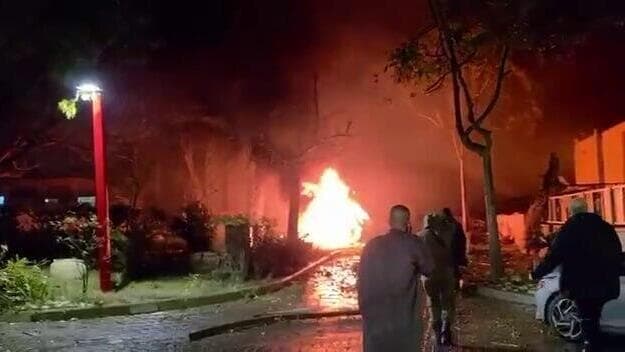
Iran Attacks Israeli Towns Dimona and Arad Near Israel's Main Nuclear Research Center, Dozens Wounded
43 sources compared
Iran Attacks Dimona in Retaliation for Natanz Strike
44 sources compared

Iran Attacks Diego Garcia with Long-Range Missiles, Targeting U.S.-UK Base
82 sources compared
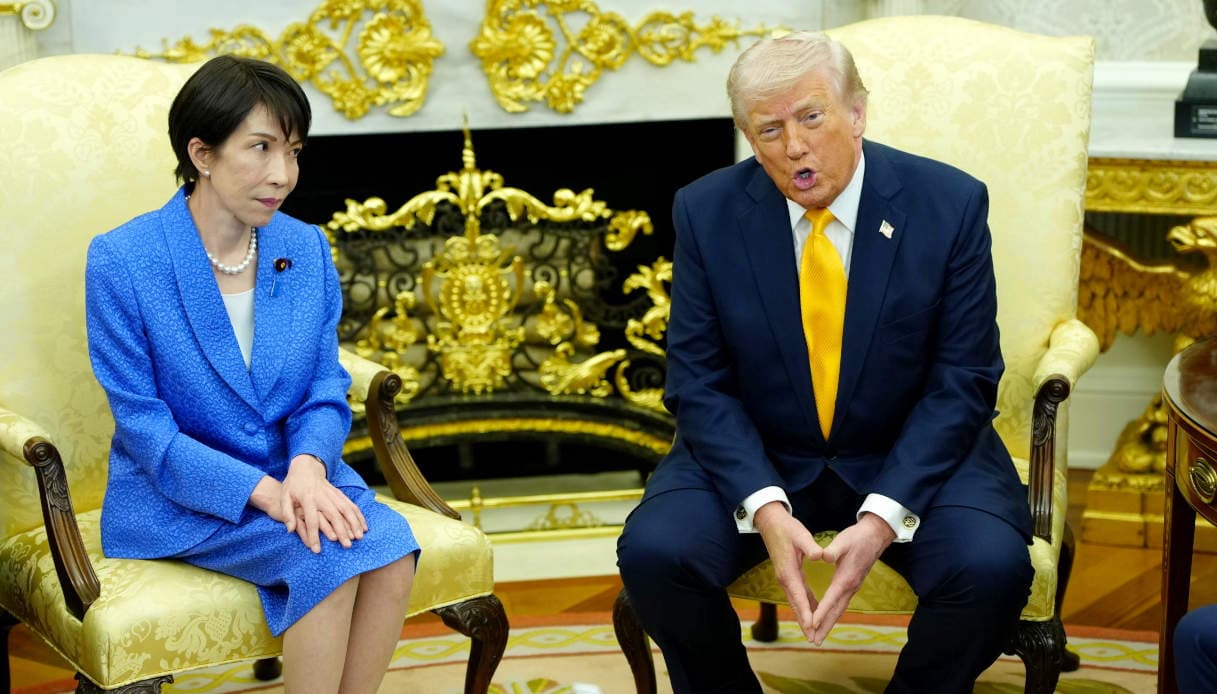
Trump Defends Iran War by Citing Pearl Harbor
12 sources compared