
Cryptoupdated 21m ago3 min read
Archive photo · 15 September 2009Coinbase, Kalshi, Payward and Others Seek Amicus Brief Backing CFTC Over Single-Stock Perpetual Futures
“the plaintiff was likely to succeed in its claim that the CFTC exceeded its statutory authority”
“A judge denied emergency relief but questioned the contracts’ classification.”
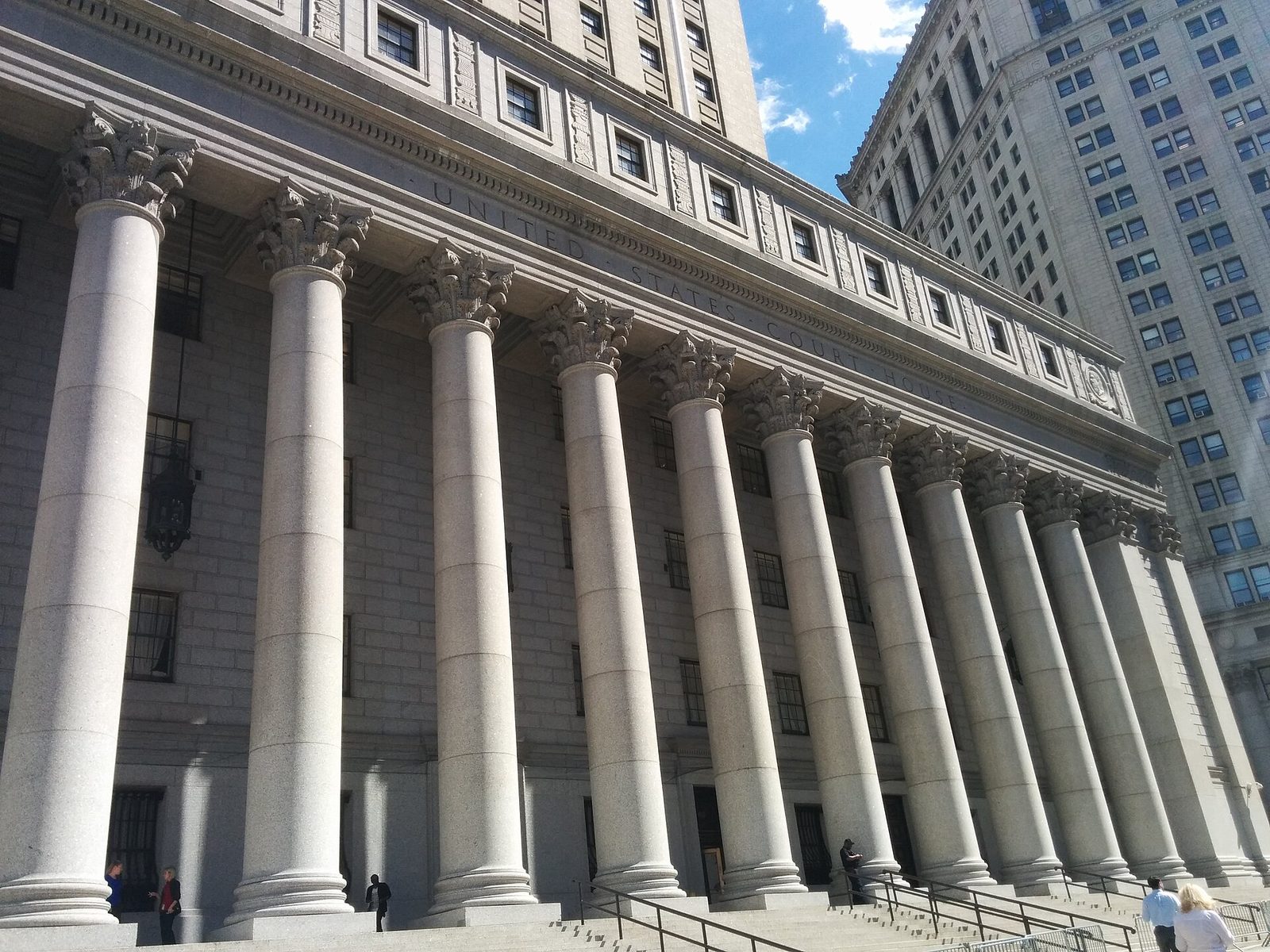
Photo: Americasroof, CC BY-SA 3.0 · Cropped for layout
This article is an automated aggregation of coverage from news outlets. Our editorials offer in-depth analysis curated by the NewsCord team.
Six firms seek permission to file amicus brief backing CFTC over single-stock perpetual futures. The firms are Coinbase, Kalshi, Payward, DRW, Jump Trading, and Paradigm.
Save coverage image
Court fight over stock perps
Coinbase, Kalshi, Payward, DRW, Jump Trading and Paradigm asked the US District Court for the Southern District of New York for permission to file an amicus brief supporting the Commodity Futures Trading Commission's supervisory authority over single-stock perpetual futures. The Capital Markets Alliance sued to vacate the approval and sought a preliminary injunction, arguing the products are swaps under SEC jurisdiction, while the six firms counter that the contracts are single-stock futures even without an expiration date. The dispute traces back to September, when Coinbase, Kalshi and Kraken parent Payward each applied to list single-stock perpetual futures on their respective exchanges, and the applications were deemed approved as of November 2.
CFTC Chairman Michael Selig said in a statement on November 3 that single-stock perpetual futures could be traded for the first time on CFTC-designated contract markets that handle security futures products and are also registered with the US Securities and Exchange Commission (SEC). The six firms said reclassifying the products as swaps would shut US retail investors out of the market because the SEC has not yet put in place an exchange-traded framework for retail investors.
Judge questions CFTC authority
The Capital Markets Alliance Association argued that perpetual futures with no expiration date should be regulated as security-based swaps, and a federal judge said the plaintiff was likely to succeed in its claim that the CFTC exceeded its statutory authority. US District Judge Valerie Caproni said the contracts appeared to qualify as swaps rather than security futures, and she denied the CMAA's request for a temporary restraining order because the group failed to demonstrate imminent, irreparable harm. Coinbase legal representative Molly Abraham supported the amicus effort, and the proposed brief Molly Abraham shared said the agencies jointly sought public comment on whether perpetual contracts should be classified as security futures.
The Block reported that Coinbase Vice Chairman Ryan VanGrack argued that U.S. investors deserve access to products already trading in global markets under joint oversight of the CFTC and SEC. The Block also said the CMAA claimed the SEC should oversee the products because contracts without expiration dates should be treated as "security-based swaps" rather than futures.

What happens next for access
The six firms asked the court to accept their amicus brief in the litigation over which regulator should oversee single-stock perpetual futures, and the filing is aimed at putting the industry's position directly before the court. The case could determine whether US exchanges can offer retail traders contracts that track individual stocks without expiring, because the classification as either a future or a swap determines which regulator oversees them. BigGo Finance said that if the court upholds the CFTC's approval, Coinbase and the five other firms will gain a foothold for expanding their US businesses.
BigGo Finance also said that if the products are classified as swaps, supply could be restricted until the SEC establishes a retail trading framework, with repercussions for product design and liquidity provision in derivatives markets. FinanceFeeds said the challenged authorizations cover KalshiEX, Bitnomial Exchange, and Coinbase Derivatives, and it said a preliminary injunction would suspend authorizations while the case progresses.