Full story
Solar tricycles in Havana
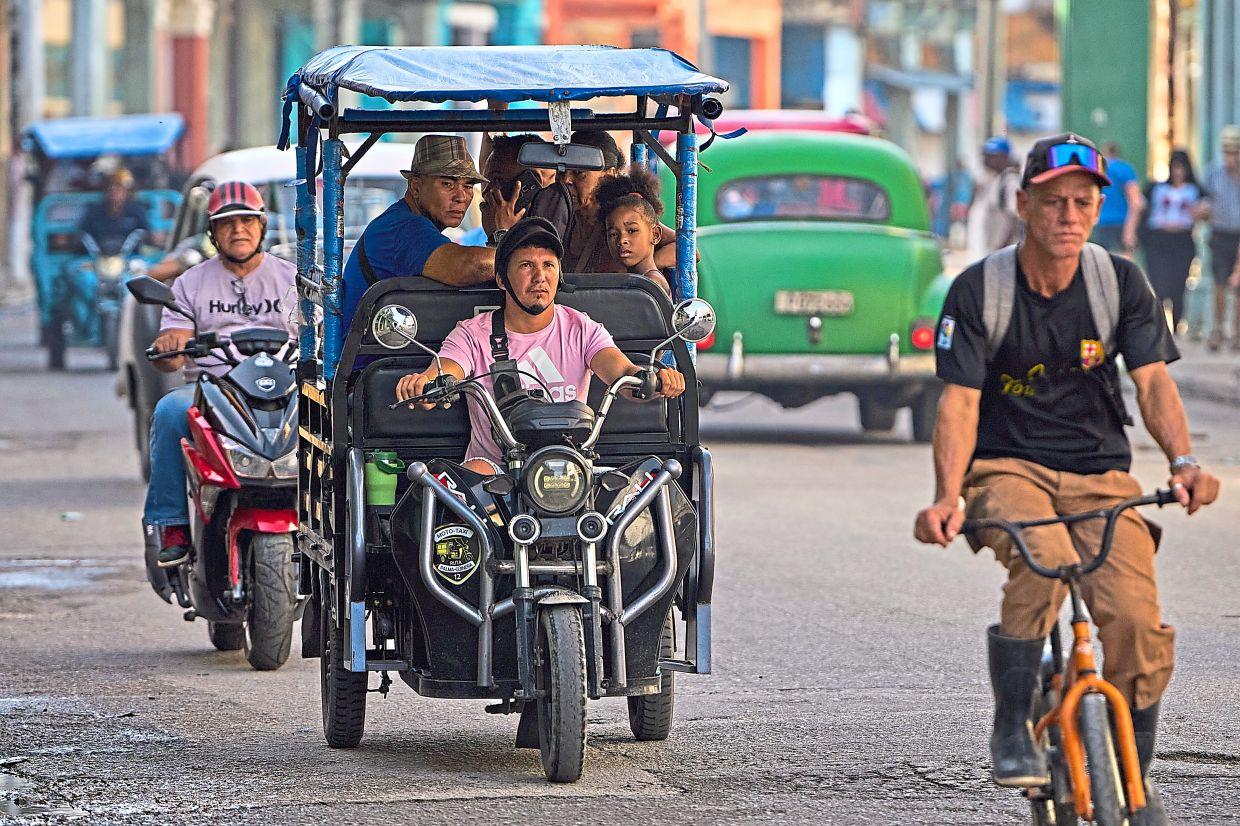
Cuba’s prolonged fuel crisis has pushed hundreds of thousands of Cubans toward small electric tricycles, many made in China, as the island’s iconic vintage cars have “all but disappeared.”
“all but disappeared”
The tricycles are often outfitted with solar panels so they can recharge without relying on Cuba’s strained power grid, and AP quoted 40-year-old Liecer de la Cruz saying, “This is how people get around now.”
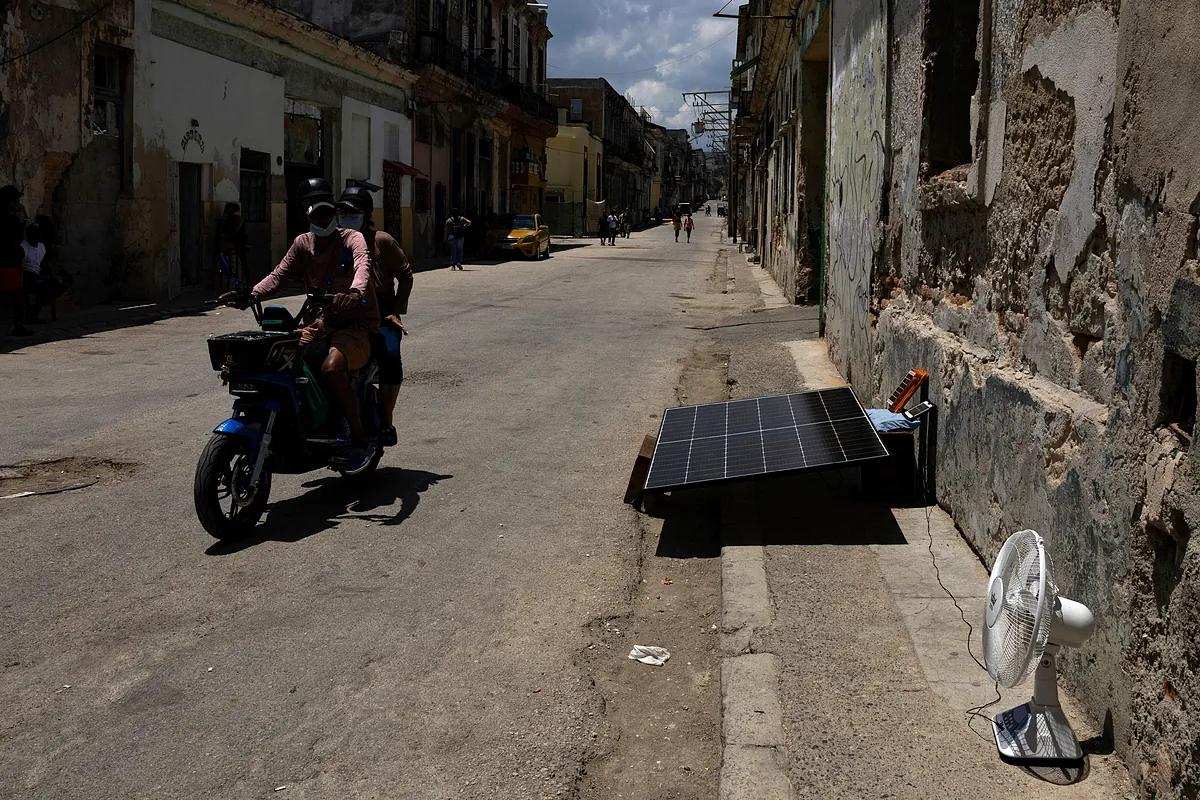
AP reported that a single oil tanker arrived in late March, down from about eight a month previously, while rolling blackouts worsened and public transportation was sharply reduced.
In central Havana, Berta Ferrer, a 52-year-old clerk who works four days a week, said she pays about 500 Cuban pesos—less than US$1—for the ride, and told AP, “If you can pay for it, you just take it; otherwise you can’t go anywhere.”
China-backed solar parks
As Cuba’s energy crisis worsened, solar panels supplied by China began to appear across the country, with El Mundo reporting that in the last two years at least 41 mid-sized solar parks and another 18 smaller ones have been built, according to RenewAtlas.
El Mundo said the government announced in 2024 it planned to build 92 medium-sized parks by 2028, and it tied the acceleration to nationwide blackouts in 2024 partly due to the collapse of Cuban crude imports from Venezuela.

The same article reported that the new solar parks could generate around 1,000 megawatts of capacity when fully operational, about five times the previously installed capacity and about a third of the country’s usual peak demand of around 3,200 megawatts.
El Norte, citing RenewAtlas, said at least 41 parks of medium size and 18 smaller ones were built from January 2024 to July 2026, and it added that the government said solar energy now satisfies around 10% of the nation’s electricity needs, up from 3% at the start of last year.
Fuel runs dry, grid strain
El Mundo reported that Cuba stated in May that it had run out of fuel reserves, and it said the Trump administration had allowed some shipments of fuel destined for private companies on the island since then.
“Cuba stated in May that it had run out of fuel reserves”
It also described how the grid’s condition limits the benefit of the new solar capacity, saying transmission lines have degraded and cause about 16% of the grid’s electricity to be lost, according to Torres’ research.
El Mundo added that the country is only using a fraction of the solar capacity it has installed because it does not have enough battery storage to manage solar fluctuations, and it said a battery was installed in July and three more are planned.
Jorge Piñón, a Cuban energy researcher at the University of Texas, told El Mundo, “China is scoring many points across the region with what it is doing with Cuba,” while Torres warned, “Without the solar parks, the outages would be even worse,” even as he said “the reality is that, even so, they have worsened.”