Syria26 July, 20263 min read
Damascus Mourns Dr. Mazen Abdul Qader Al-Mubarak, Syrian Writer and Linguist, Aged 96
This article is an automated aggregation of coverage from news outlets. Our editorials offer in-depth analysis curated by the NewsCord team.
Died in Damascus at age 96 after a seven-decade career serving the Arabic language. Professor and member of Damascus's Arabic Language Academy.
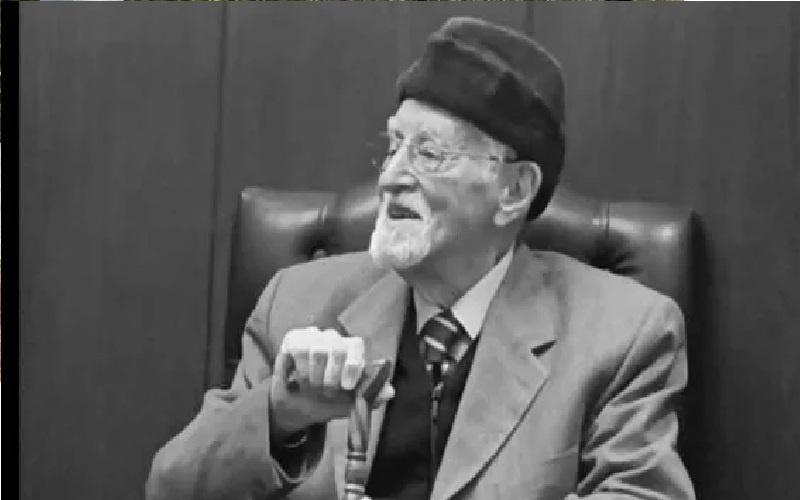
Scholar Mazen Mubarak Dies
Damascus’s Arabic Language Academy mourned Dr. Mazen Abdul Qader al-Mubarak, a member of the Academy and a Syrian writer and linguist, who died at the age of 96 after a scientific and literary career spanning more than seven decades.
The Syrian capital’s academic community marked his passing on Saturday evening, July 25, 2026, with the Damascus Academy describing his death as a loss to “the scientific and cultural spheres in Syria and the Arab world,” and the Ministry of Culture also announcing his death.

Al-Mubarak was born in Damascus in 1930 in the Al-Omara neighborhood, and the sources say his father was the linguistic scholar Sheikh Abdul Qader Mubarak, one of the founders of the Damascus Arabic Language Academy.
The Al-Jazeera Net account places his death in Damascus “yesterday, Saturday,” and says he died at the age of 96 after “a long scientific and literary career spanning decades,” while the East Asian reports say he died in the late afternoon on Saturday.
The World Union of Muslim Scholars also issued condolences, asking Allah to “envelop him in His vast mercy,” and it records the date as Doha: 12 Safar 1448 AH, corresponding to 26 July 2026 AD.
Titles, Teaching, Awards
Multiple outlets describe Al-Mubarak as a leading Arabic-language figure and “Sheikh of Grammarians,” with the East Asian report saying Damascus’s Arabic Language Academy and other bodies participated in tributes describing him as “Sheikh of Arabic” and “the venerable scholar.” The East Asian account says he was born in Damascus in 1930, studied under scholars including Al-Saeed Al-Afgani, Mustafa Al-Zarqa, and Mohammad Bahjat Al-Baytar, and earned his BA in Arts and a Diploma from Damascus University in 1952. The Al-Jazeera Net account adds that he began teaching in Damascus’s secondary schools and the Teachers' House, then was sent to Cairo University where he earned his Master’s degree in 1957 and his Doctorate in 1960.
His career is also framed through honors, with the East Asian report stating that “Last year he received the King Salman Global Award for Service to the Arabic Language,” and the مدار الساعة profile saying his final accolade came in 2025 when he received the King Salman Global Award for the Arabic Language. The sources also connect him to institutional roles, including membership in the Damascus Academy and academic posts across universities, while the Al-Jazeera Net obituary says he was a member of the Arab Writers Union since its founding in 1969.
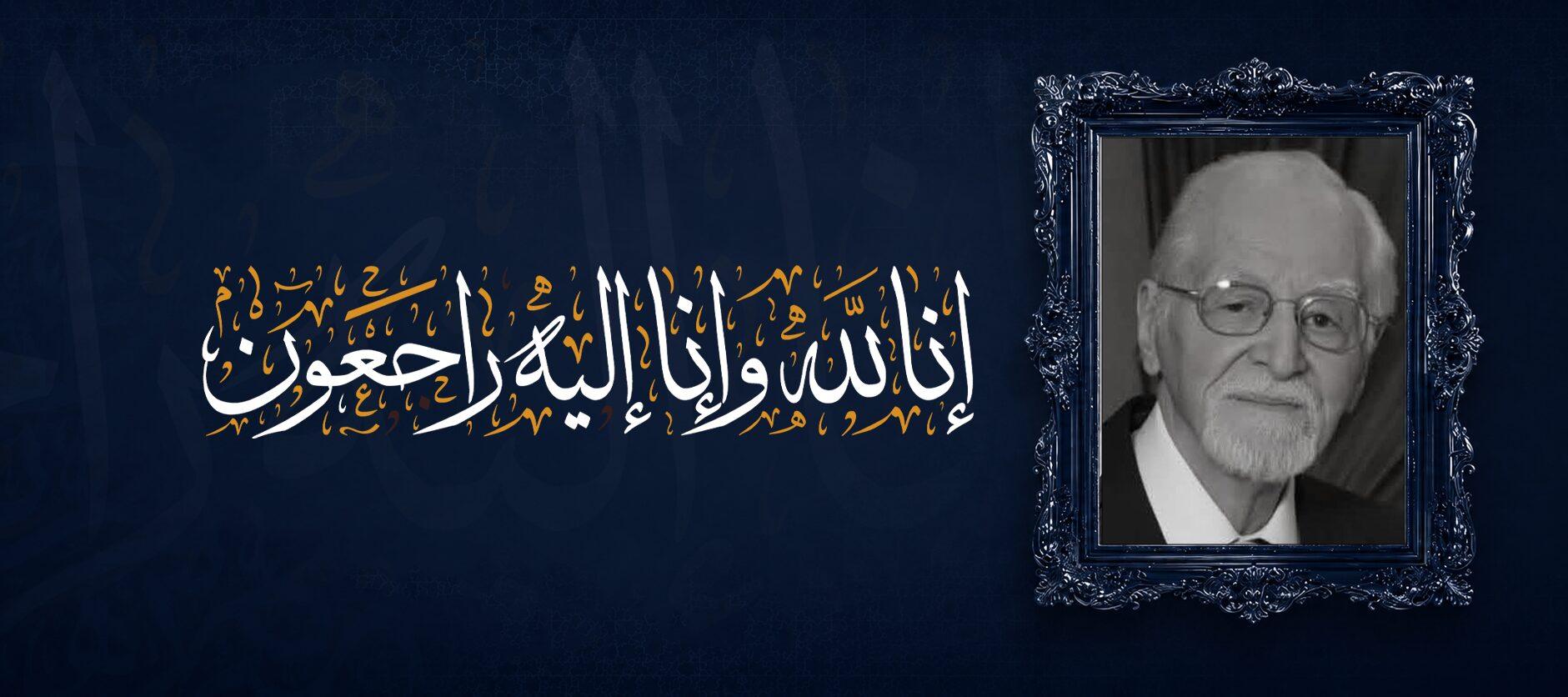
Legacy and Condolences
The sources portray Al-Mubarak’s scholarly legacy through specific works and editing, including the East Asian report’s list of titles such as “Al-Ramani the Grammarian in Light of His Commentary on Sibawayh's Book,” and the Al-Jazeera Net account’s mention of edited works including “Al-Iḍāḥ fī ʿIlal al-Nahw.” The East Asian obituary also says he was a member of the Damascus Arabic Language Academy and that his death was mourned by Damascus University and the Arabic Language Academy along with other linguistic and scholarly bodies in the Arab and Islamic world. In addition to academic institutions, religious leadership is included in the Al-Jazeera Net account, which says Sheikh Osama al-Rifai, the Mufti of Syria, offered condolences on the death of al-Mubarak.
The Al-Jazeera Net obituary quotes the Damascus Academy’s assessment of his passing as a “great loss on national, pan-Arab and human levels,” and it also records that the Al-Fath Islamic Academy (University of the Levant) said he “contributed to serving Islamic and linguistic studies and training generations of researchers.” Across the accounts, condolences extend to his family, students, and followers, with the World Union of Muslim Scholars asking Allah to “reward him for Islam and the Arabic language with the best reward,” and the East Asian report describing his passing as a loss to Syria and the Arab world’s scientific and cultural circles.