Britainupdated 20m ago3 min read
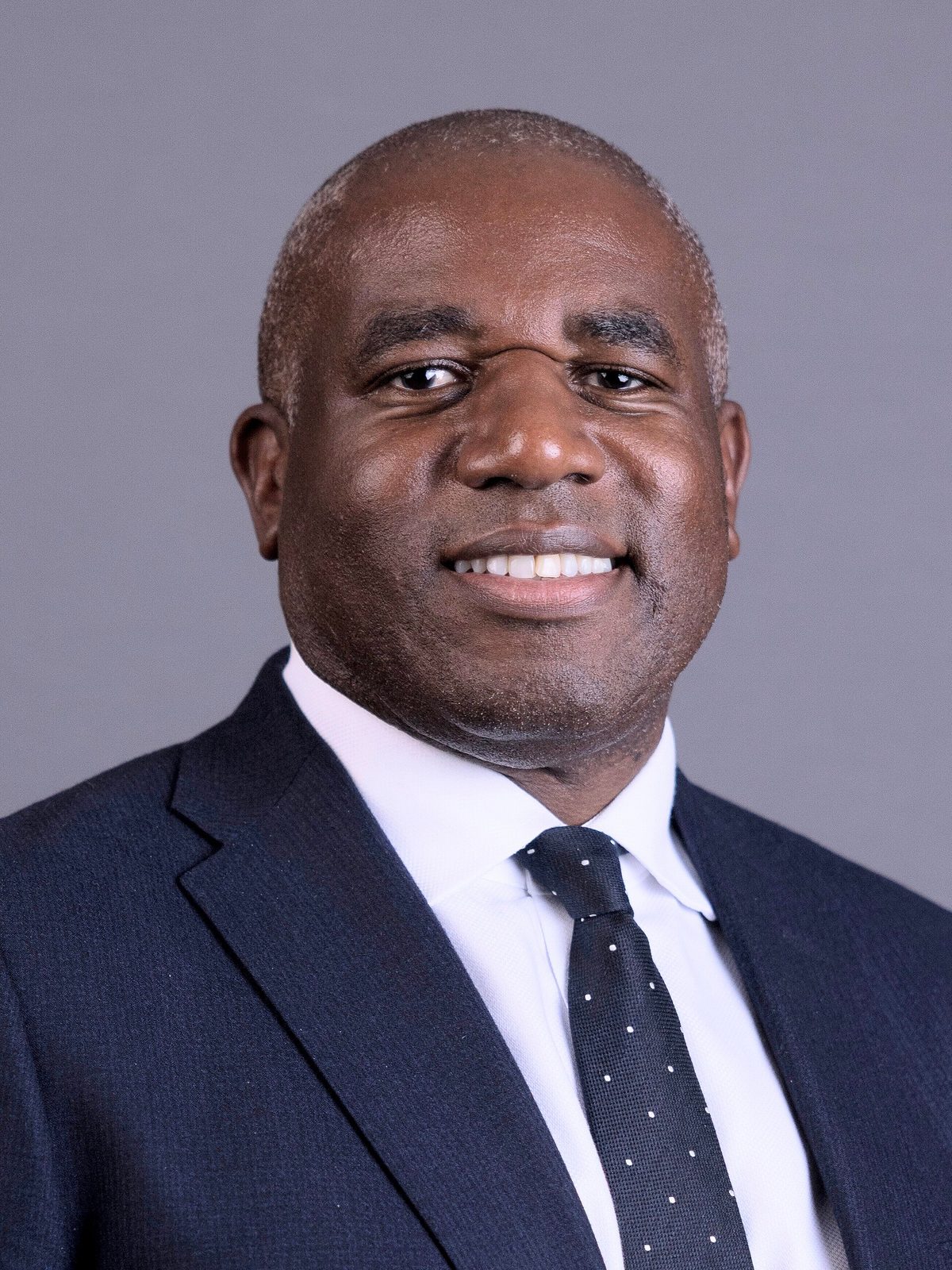
Archive photoDavid Lammy Urges Andy Burnham to Push Labour Rejoining the EU at Next Election
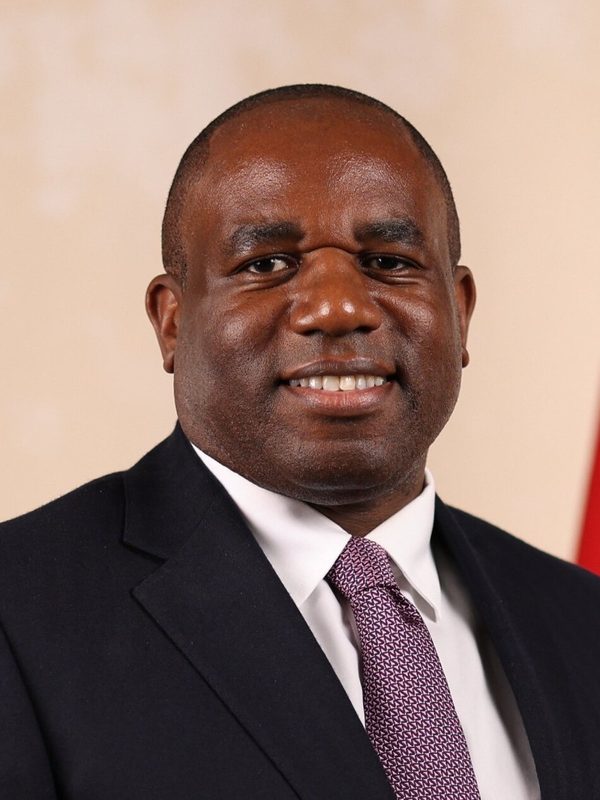
6 Western Mainstream3 OtherPhoto: Lauren Hurley / No 10 Downing Street / UK Government and Number 10, OGL 3 · Cropped for layout
This article is an automated aggregation of coverage from news outlets. Our editorials offer in-depth analysis curated by the NewsCord team.
Lammy urges Burnham to campaign in the next election on rejoining the EU. He argues full EU membership would boost growth and a British voice on single-market rules.
Save coverage image
The Guardian was read line by line by the Watchdog: 0.0. See the score →
Lammy pushes rejoin EU
David Lammy urged Andy Burnham to take Labour into the next general election with a pledge to rejoin the European Union, arguing only full membership could deliver economic growth alongside a British voice on EU single market rules. Lammy told BBC Radio 4's Today programme that Burnham had been right to "begin a debate" about options to revise the future relationship, and he said his preference was for Labour to advocate rejoining at the next election, then negotiate a deal and give the public a vote on whether to accept it. Lammy also said returning to the bloc's customs union would not deliver "enough" economic growth, and he argued rejoining Europe's single market from the outside was "not a runner" because it would mean applying swathes of EU law without a say on the content.
Lammy added that Britain could rejoin while staying outside the passport-free Schengen travel zone and without committing to adopt the euro, while he appeared to concede that the EU budget rebate could become less financially generous, with a "different formula" for contributions "up for negotiation". Lammy's intervention followed Burnham confirming he would set out options to recast the UK's long-term relationship with Europe next month, in the wake of a summit this week to unveil deals to "reset" relations.
Burnham, red lines, summit
Andy Burnham confirmed he would set out options next month for the UK's long-term relationship with Europe, while ruling out major changes before the next election. Burnham will travel to the summit with the EU this Friday, where both sides hope to unveil new agreements on food, youth visas and re-linking British industry to the EU's carbon trading regime. Lammy argued the UK would be able to rejoin the EU while staying outside the Schengen travel zone and without committing to adopt the euro, and he said rejoining the customs union would not deliver "enough" economic growth.
Burnham also promised to stick to Labour's manifesto red lines, including no return to the bloc's single market or customs union, and the BBC said the prime minister inherited negotiations on the agreements from Sir Keir Starmer. The Guardian said Lammy wrote in The Times that Burnham's Liverpool conference speech "blew the door wide open" on the issue, while Burnham told Sky News he was "in a negotiation about improving the Brexit deal" and said he did not agree the debate was "toxic".
What is at stake
The BBC said Labour's 2024 election manifesto committed the party to "make Brexit work" while ruling out rejoining either its customs union or single market, and it said any move away from those red lines by Burnham would set up a dividing line with the Conservatives and Reform UK at the next election. Lammy said he had made an unsuccessful attempt to persuade Sir Keir to "tear up" his red lines on Europe towards the end of his two-year premiership, but the former prime minister had encountered resistance from within his cabinet. The Guardian said Burnham repeated his pledge to stick to the 2024 Labour manifesto's red lines before a general election and said the "British public will be in charge of whatever comes next".
YouGov tested how the terms of a hypothetical rejoin deal would affect voting intention, and it found results ranging from a rejoin lead of 33 to a remain out lead of eight points across 18 scenarios. YouGov said a return to the UK's previous membership status, with budget rebate and opt-outs from the Euro and Schengen, produced 56% saying they would vote to rejoin versus 26% saying they would vote to remain outside, while it said the variant where the UK would have to join the Euro as well as losing its rebate produced only 35-36% voting to rejoin.