West Bank18 August, 20263 min read
Israel Katz Orders IDF Plan To Transfer West Bank Civilian Enforcement To Israel Police
This article is an automated aggregation of coverage from news outlets. Our editorials offer in-depth analysis curated by the NewsCord team.
Katz orders the IDF to draft a plan within two weeks to transfer civilian enforcement in the West Bank to police. Move is widely seen as impractical ahead of the national election.
6 outlets told this the same way.
Police vs IDF
Israel’s Defense Minister Israel Katz instructed the Israel Defense Forces to submit within two weeks a plan to “transfer responsibility for civilian enforcement in the West Bank to the Israel Police,” a move described as impractical ahead of a national election. Katz said he “expressed an unequivocal position against violence and the taking of the law into their own hands by unauthorized parties,” and he “stressed the need for enforcement in all civilian aspects in the West Bank to be handled by the Israel Police through effective and efficient inter-organizational cooperation.” The Times of Israel reported that it was unclear what impact the transfer would have on the ground because the IDF already hands any suspects detained in the West Bank over to the police for interrogation or arrest.
The same report said far-right National Security Minister Itamar Ben Gvir endorsed Katz’s proposal, calling it “a significant step toward Israeli sovereignty” in the West Bank. Itamar Ben Gvir also said authority over Border Police in the West Bank should be moved from the IDF to the police so they could be used against “anarchists” and “anti-Zionist movements opposed to the State of Israel.”

Water as a target
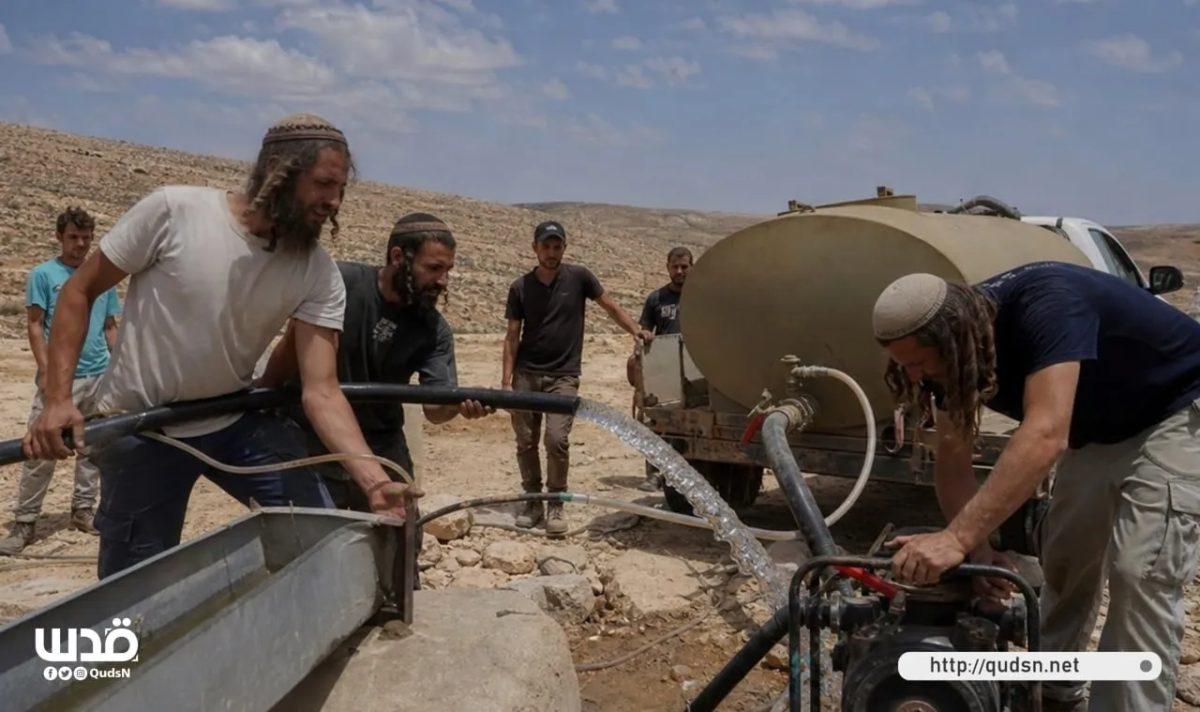
In the Jordan Valley, Palestinian farmers and residents described how a spring in Faseel stopped reaching their fields after settlers diverted water to an ancient pool used as a recreational site. Quds News Network quoted farmer Saad Nimer saying: “Our water supply has been cut off to this day, depriving us of the water we rely on for our homes, sources of income, and our agricultural lands.” Aurora Israel said the spring in Fasayil had for decades been “a fundamental source for Fasayil, both for agriculture and to supplement residents’ domestic water supply,” and it cited Reuters testimony that settlers took an irrigation pipe in June and diverted the flow toward an ancient pool within an archaeological site.
Aurora Israel reported that since the diversion, Saad Nemer said he has not been able to normally plant eggplants, zucchinis, and watermelons due to lack of water. Quds News Network also included a statement from settler Shaay Shrayber, 21, saying: “When they see these large crowds and all these large groups of Jews coming to bathe here, they fear coming.”
Wells, livelihoods, displacement
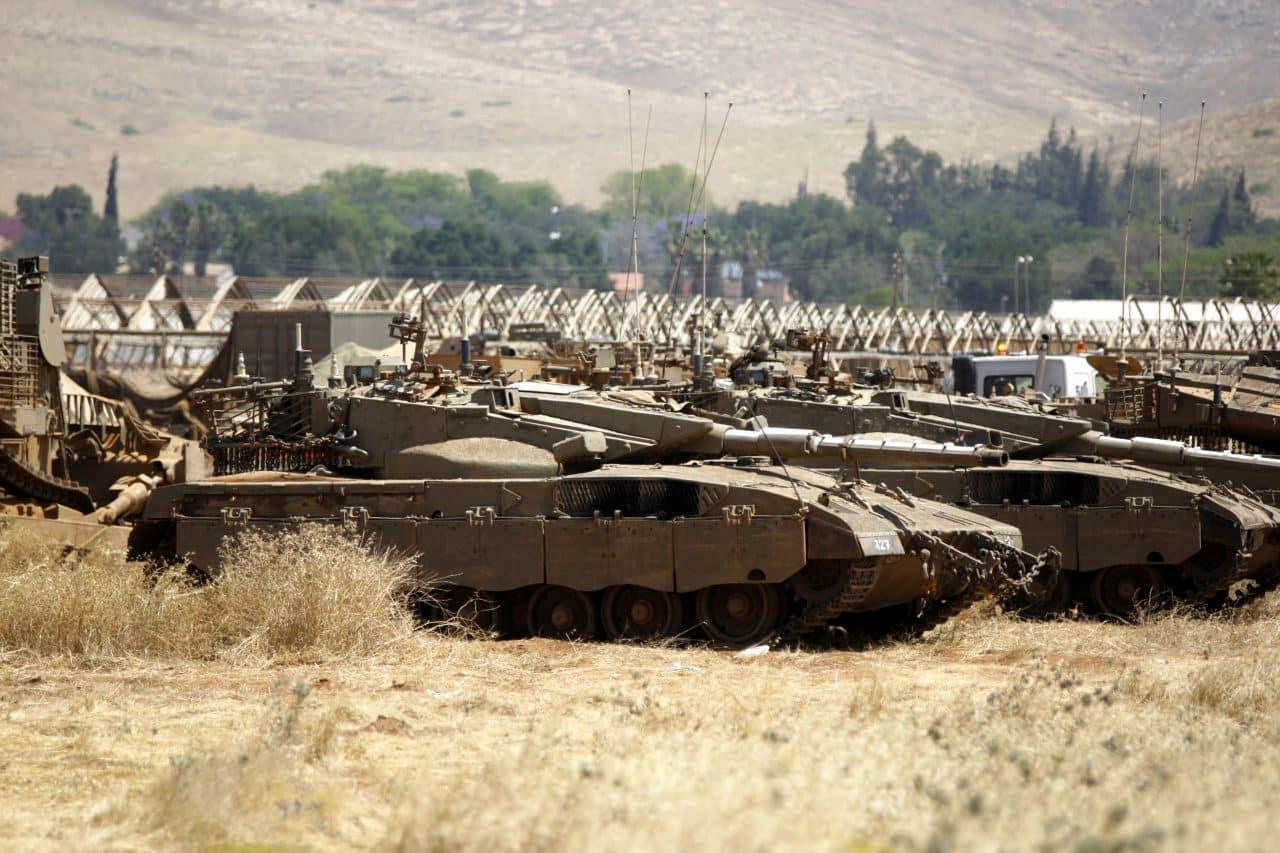
Al-Araby Al-Jadeed described Israeli forces backfilling wells and demolishing water facilities in the Jordan Valley, saying the measures occur alongside movement and access restrictions, confiscation of agricultural areas, field leveling, and attacks by settlers. The outlet reported that for the third time in less than five years, Israeli forces backfilled the water well owned by farmer Hadheifa Sawfata (55) in the village of Atouf in the northern Jordan Valley, causing him severe financial losses and displacement with about 100 head of sheep. Al-Araby Al-Jadeed quoted Sawfata saying: “the settlers destroyed parts of the main water line that feeds crops and families, while a military bulldozer belonging to the Israeli army finished the task and ripped the pipes from their place and damaged them completely.”
The same article said the attack caused the loss of water for about 30 Palestinian herding families and about 8,000 dunams of irrigated land, and it quoted Abdullah Basharat saying: “The occupation forces completed backfilling the wells and demolished the cement structures built over them.” Mondoweiss added that thousands of Palestinian farmers in the Atouf plain had been unable to access water for their crops for four months, and it quoted former mayor of Tubas Sameer Bisharat saying “70 to 80 percent of people in Tammoun and its surroundings depend partially or entirely on farming for their living.”