
Africa · 24 August, 2026 · 3 min read
Dhaka Metropolitan Police Plans Drone Surveillance To Monitor Traffic Congestion Across Dhaka
Dhaka Metropolitan Police will deploy drones to monitor traffic congestion citywide. Drones will build on AI-powered cameras to improve traffic management.
3 outlets, one story, no spin found.
3outlets compared
Drone surveillance for traffic
In Dhaka, the Dhaka Metropolitan Police is preparing to deploy drones to monitor traffic congestion across the capital, building on its use of artificial intelligence-powered cameras to improve traffic management.
“Dhaka Metropolitan Police is preparing to deploy drones to monitor traffic congestion across the capital”
DMP Additional Police Commissioner for Traffic Md Anisur Rahman told BSS that the drones will initially be tested at congestion-prone locations so traffic police can obtain real-time information and respond more quickly to gridlock.
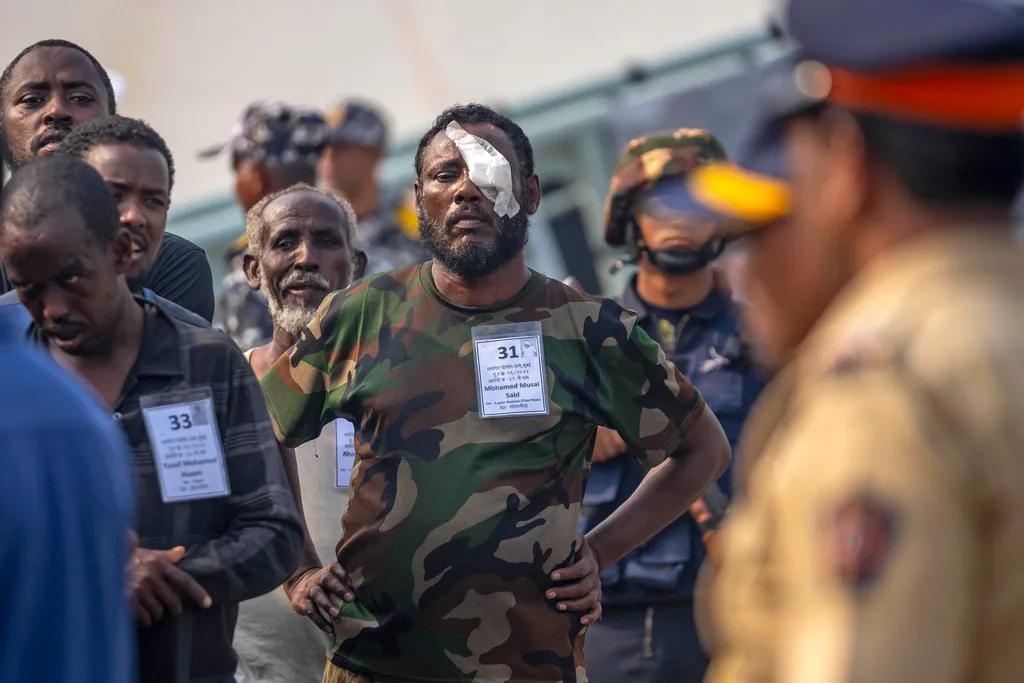
BSS reports that congestion frequently develops on Dhaka's flyovers and around locations including the elevated expressway, Bahadur Shah Park and the Gulistan flyover, and that traffic authorities can take time to identify the cause of a blockage.
The planned drones could later be equipped with automated number plate recognition, or ANPR, systems to identify vehicles violating traffic rules, and video footage captured by the drones could be used as evidence when filing traffic cases.
Rahman said the police had received one drone from an organisation and hoped to begin field-level work soon, while DMP was still at an early stage of testing the technology.
Somalia disputes Turkish strike
In Somalia, State Minister of Defense Omar Ali Abdi broke the federal government’s silence over an alleged Turkish drone strike that killed at least four people off the coast of Garmaal, in Puntland’s Nugaal region.
Speaking to journalists in Mogadishu, Abdi said the federal government had prior knowledge of the strike and asked whether Puntland authorities had evidence that those killed were in fact civilians and not pirates, describing his remarks as the first public address by the federal government since reports surfaced on August 18.
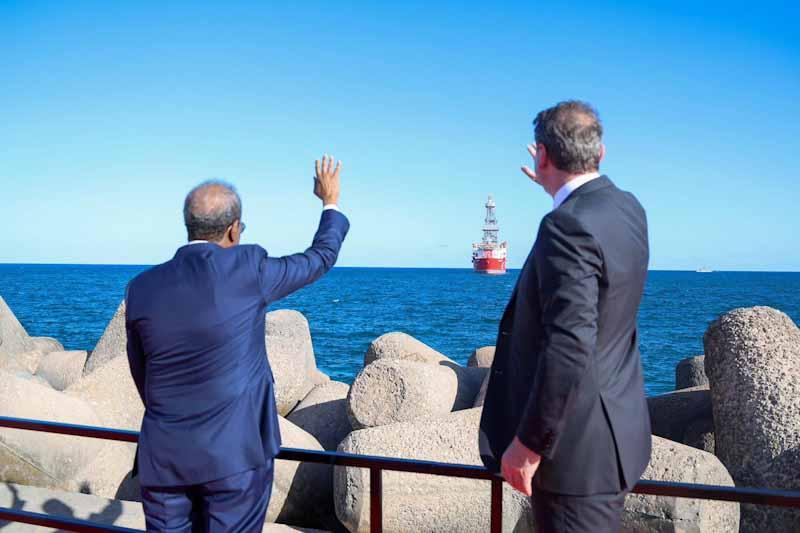
The Somali Guardian says early media accounts reported the strike targeted and killed four pirates allegedly involved in the hijacking of the Cameroon-flagged vessel LUTUF, but later reports identified all those killed as civilians.
Puntland issued a statement on Friday formally identifying the victims as civilians and calling on the country responsible for the strike to explain why it had targeted them, while warning the incident risked damaging cooperation between its security agencies and international partners combating piracy in Somali waters and the wider Gulf of Aden.
The shifting narrative drew a sharp rebuke from Somalia’s former Minister of Foreign Affairs Abdisaed Muse, who accused Turkey of carrying out what he described as a “massacre.”
LUTUF seizure and response
In a separate Somalia-related incident, El Mundo describes how Somali pirates seized the Cameroonian-flagged vessel Lutuf, which was transporting a cargo of Turkish military material full of weapons, drones, and satellite equipment destined for Turksom, the largest Turkish military base outside its borders located in Mogadishu.
“The Cameroonian-flagged vessel Lutuf”
El Mundo says the vessel was seized on Monday, August 17, as it headed for the dilapidated Somali capital, after it had departed at the end of July from the Turkish port of Tekirdağ, home to the main testing and delivery facilities of Baykar.
The article adds that the seizure triggered an unprecedented military response, with Turkey deploying ships, helicopters, and spy drones in the area to attempt to recover the cargo, and that at least one airstrike had already been carried out against pirate positions on the coast.
El Mundo frames the incident as part of a broader resurgence of piracy in the Indian Ocean in 2026, driven by the Iran war and the blockade of the Strait of Hormuz, and says that until then pirate groups had only captured bulk carriers and fishing vessels.
It also states that negotiations for four commercial ships held with 67 crew on board have lasted more than three months with little progress, and that ransoms of between one and five million dollars are part of the piracy business model described in the piece.