Techonology and Science13 November, 20251 min read
Doctors at Northwestern Memorial Admit Rev. Jesse Jackson for Observation of Progressive Supranuclear Palsy (PSP)
This article is an automated aggregation of coverage from news outlets. Our editorials offer in-depth analysis curated by the NewsCord team.
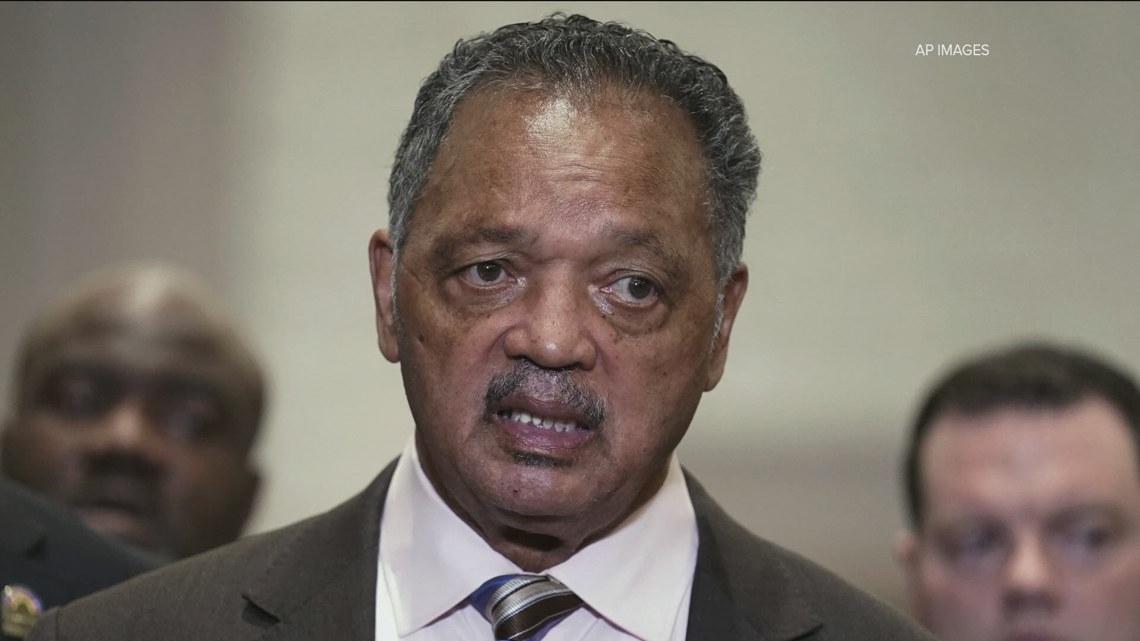
Rev. Jesse Jackson, 84, was admitted to Northwestern Memorial Hospital in Chicago He is under observation for progressive supranuclear palsy, a rare neurodegenerative disorder
43 outlets told this the same way.
Jesse Jackson health update
Civil rights leader Rev. Jesse Jackson, 84, was admitted to Northwestern Memorial Hospital in Chicago and is being observed for progressive supranuclear palsy (PSP), the Rainbow PUSH Coalition said.
“Civil rights leader Rev. Jesse Jackson Sr., 84, has been diagnosed with progressive supranuclear palsy (PSP) and is under observation at Northwestern Memorial Hospital, Rainbow PUSH Coalition said.”
Multiple outlets report that Jackson has been managing a neurodegenerative condition for more than a decade after an initial Parkinson's diagnosis, with PSP confirmed in April.
Coverage says he is under observation and receiving care at Northwestern while the family requests prayers and privacy.
PSP symptoms and care
Progressive supranuclear palsy (PSP) is a rare, progressive neurodegenerative disorder that can resemble Parkinson’s disease early on but more commonly affects eye movement, balance, swallowing, and gait.
Several reports cite clinicians and medical organizations explaining the lack of a cure and noting that care is symptomatic and focused on management.

Statements on Jackson's hospitalization
Jackson’s family and Rainbow PUSH issued statements asking for prayers and saying he is receiving appropriate care. Several outlets repeated the family’s language that the hospitalization was precautionary and that he is being monitored. Some reports add brief clinical details about symptoms prompting the observation.
“Rainbow PUSH said Jackson is 'receiving appropriate treatment' and thanked Northwestern’s medical team; no release date from the hospital was given.”
Context for Jackson update
Reporting places this medical update within Jackson's long public life and recent organizational changes. Outlets note his decades of activism, his 2017 public Parkinson's disclosure, the April PSP confirmation, and his 2023 step back from leadership of Rainbow/PUSH. Pieces vary in how much biography and political context they include alongside the health update.
Coverage of PSP hospital updates
Several outlets emphasize what remains uncertain, noting there is no detailed medical update, no announced discharge date, and differing levels of detail about recent functional decline.
“The coalition offered no details on treatment or discharge plans and asked for prayers.”
Readers therefore see a consistent core fact (hospital observation for PSP) alongside varying emphasis on severity, recent symptoms, and logistics.