USA11 July, 20263 min read
DOJ Withdraws Subpoenas Targeting New York Times Reporters Over Trump Plane Security Concerns
This article is an automated aggregation of coverage from news outlets. Our editorials offer in-depth analysis curated by the NewsCord team.
DOJ withdrew subpoenas seeking NYT reporters' testimony and phone records in Trump plane case. Withdrawal occurred at Manhattan federal hearing before Judge Arun Subramanian.
Save coverage image


Explore source coverage 5 source types
Directory totals describe our source library, not outlets checked for this story.
DOJ withdraws Times subpoenas
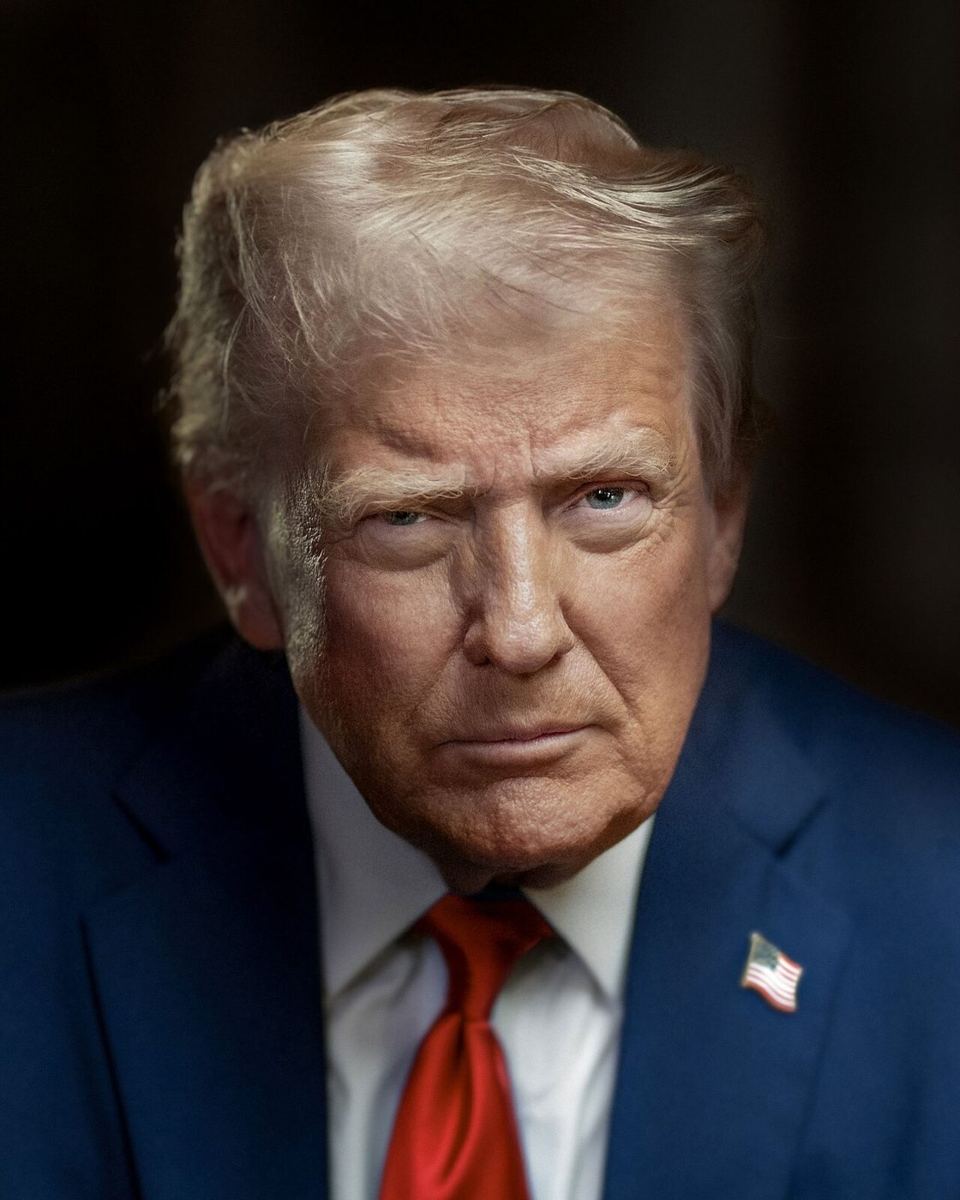
The Trump administration’s Justice Department agreed to withdraw subpoenas issued to New York Times reporters after the paper’s reporting on security concerns about President Donald Trump flying on a Qatari-donated Air Force One replacement.
At a hearing in Manhattan federal court, U.S. District Judge Arun Subramanian said, "It's a matter of basic compliance with the law," as prosecutors told the judge they would withdraw the subpoenas.
Prosecutors had sought to compel the journalists to testify about their sources and to access phone records and grand jury testimony, and the Times said the subpoenas were an attempt to retaliate against and intimidate reporters.
The dispute centered on the Times’ reporting that the $400 million Boeing 747-8 lacked certain security countermeasures, including anti-missile defenses, and that Trump flew on the old Air Force One instead of the new plane as a security precaution.
After the hearing, a Justice Department spokesperson said, "Make no mistake, this investigation remains ongoing," while the Times said the withdrawal was an affirmation of press protections.
Judge grilled prosecutors
Judge Subramanian repeatedly pressed prosecutors on whether subpoenas were appropriate, asking, "Doesn't the law … indicate that subpoenas are the last step, not the first step?" Sean Buckley, chief counsel to the U.S. attorney for the Southern District of New York, told the court, "Upon further consideration, the government is prepared unilaterally to withdraw the subpoenas at this time," after being grilled on the legal basis for the orders. The Justice Department spokesperson later rebuked the judge while pledging the leak investigation remained open and active, saying, "This judge's conduct overrides clear longstanding principles and common sense -- blocking the grand jury from receiving core evidence".
The Times legal team argued the subpoenas were an escalating series of attacks on journalists, writing that "The Government's actions violate the most basic First Amendment protections for newsgathering activity." NPR reported that agents went to reporters’ homes on the night of Friday, July 10, with subpoenas compelling testimony before a grand jury, and that the FBI pursued records involving all five reporters and several reporters’ family members.

Ongoing leak probe
Even as the subpoenas were withdrawn, the Justice Department said the investigation remains ongoing and that it would pursue justice against those threatening national security by leaking classified information, calling it "a serious federal crime." CNN quoted a Justice Department spokesperson saying the withdrawal did not end the effort, responding to questions about whether subpoenas could be reissued by stating, "this investigation remains ongoing." The Times said it was pleased the government conceded the subpoenas violated the law, with David McCraw saying, "We are pleased that the government finally conceded that the subpoenas violated the law, but they should never have been issued in the first place."
NPR reported that the Times legal team argued the FBI sought phone records from telephone providers for five reporters and the spouses of two reporters and mother of one of them, and that the Times said this was not initially disclosed to the paper. The dispute also tied to the Air Force One reporting timeline, with the Times alleging that subpoenas were served on July 10 after the paper published the first story two days earlier, and with the Guardian reporting the subpoenas were issued after the Times reported Trump left Turkey on the old Air Force One because the new Qatari-donated plane lacked antimissile and other defensive features.