
Trump Says Israel And Lebanon Extend Israel-Hezbollah Ceasefire By Three Weeks
Key Takeaways
- Trump announced a three-week extension of the Israel-Hezbollah ceasefire.
- Extension came after Washington talks between Lebanon and Israel mediated by the U.S.
- Lebanon pressed for the extension during the Washington talks.
Ceasefire extended in Washington
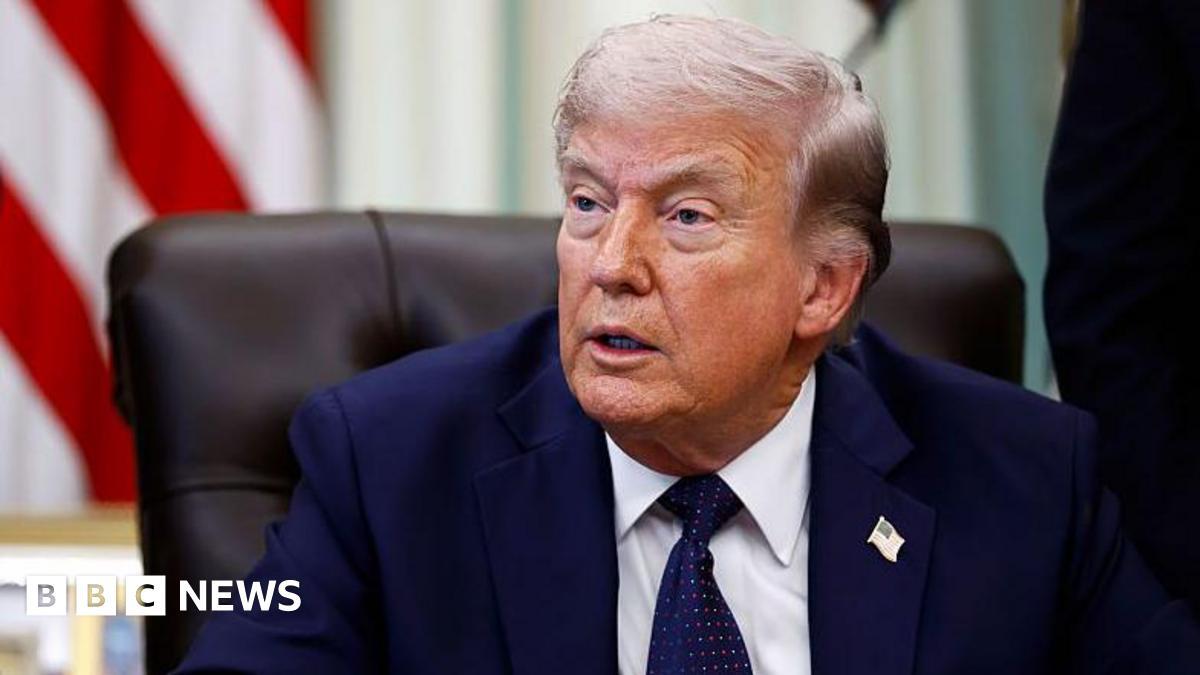
President Donald Trump said Israel and Lebanon agreed to extend a ceasefire between Israel and Hezbollah by three weeks after talks at the White House on Thursday, following a second round of negotiations between the two countries’ ambassadors in Washington.
Trump said the meeting between the Israeli and Lebanese ambassadors went “very well,” and he acknowledged during an Oval Office gathering that “they do have Hezbollah to think about.”
The initial 10-day ceasefire had been due to expire on Monday, and Trump said the United States would work with Lebanon “in order to help it protect itself from Hezbollah.”
Trump also said he expects to meet in Washington with Israeli Prime Minister Benjamin Netanyahu and Lebanese President Joseph Aoun “in the next couple of weeks,” while the Guardian reported Trump wrote on Truth Social that “The Ceasefire between Israel and Lebanon will be extended by THREE WEEKS.”
In the Oval Office, Israeli Ambassador Yechiel Leiter told reporters, “We hope that together, under your leadership, we can formalize peace between Israel and Lebanon in the very near future,” while Lebanese Ambassador Nada Hamadeh Moawad thanked Trump “for all your effort to help and to support Lebanon.”
The AP described the ceasefire as the first direct diplomatic talks in decades between Israel and Lebanon, with the two countries “officially have been at war since Israel’s inception in 1948.”
What led to the talks
The sources tie the renewed Israel-Hezbollah fighting and the push for direct talks to a sequence that began with Hezbollah firing rockets into northern Israel, two days after Israel and the U.S. launched attacks on Iran.
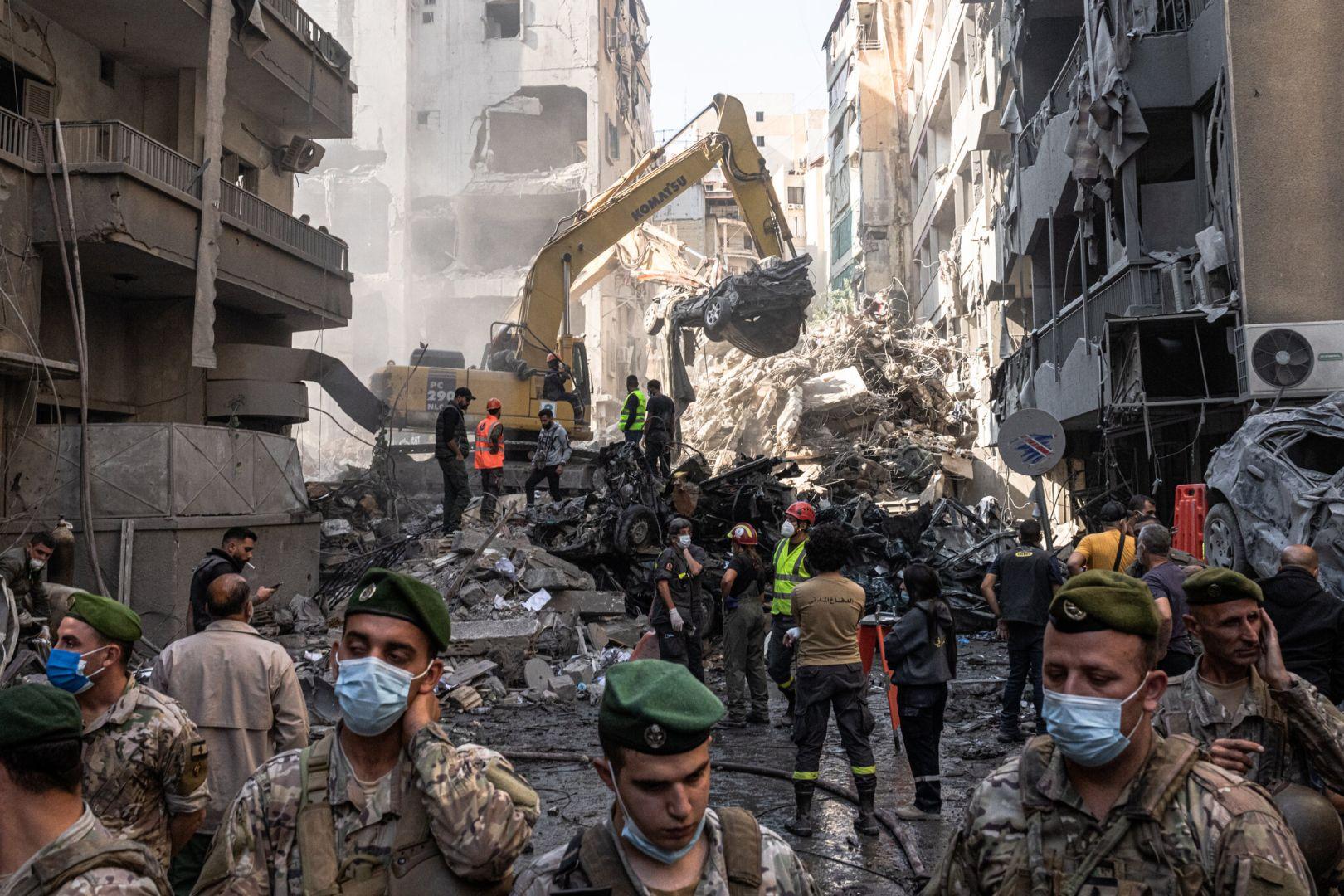
The AP said Israel responded with “widespread bombardment of Lebanon and a ground invasion,” capturing dozens of towns and villages along the border, and it reported that Israel’s military occupies a buffer zone stretching as far as 6 miles (10 kilometers) into southern Lebanon.
The BBC and CBS coverage placed the renewed ceasefire extension in a broader context of the U.S.-Iran conflict, with CBS saying the ceasefire between the two countries reached on April 16 was extended by three weeks and that Trump ruled out using a nuclear weapon in the Iran war.
CBS also reported that the latest regional turmoil included Iran’s Revolutionary Guard boarding two cargo ships in the Strait of Hormuz, with the Philippine government confirming 15 seafarers were on the vessels being held by Iran’s Revolutionary Guard.
In Lebanon, the AP said the latest war started when Hezbollah fired rockets into northern Israel on March 2, and it described Lebanon’s political leadership as proposing direct talks quickly to stop escalation and hope Israel would not launch its ground invasion.
The Guardian added that Hezbollah has not officially recognized the pause in hostilities and that on Thursday it launched its first missile attack on northern Israel since the ceasefire went into effect April 16.
The Washington Post reported that Lebanon put the death toll from Israeli attacks since early March at 2,454 with 7,658 people wounded, while Israel said 16 of its troops had been killed and 690 wounded.
Voices: Hezbollah, Lebanon, Israel
The sources show competing positions on what the ceasefire extension should lead to, with Hezbollah rejecting the direct talks and Lebanese and Israeli officials emphasizing different end goals.
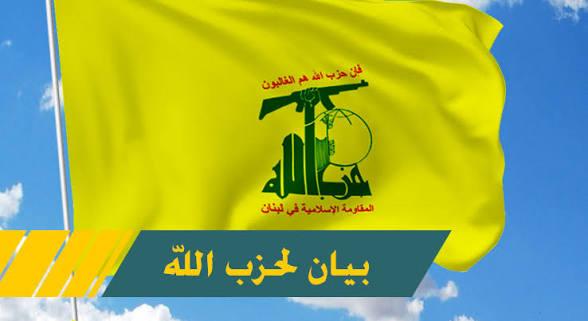
CBS reported that Hezbollah said Thursday it fired rockets at northern Israel “in response to what it claimed were ceasefire violations by Israel,” and it quoted Hezbollah’s statement about targeting “the Shtula settlement with a rocket salvo.”
The AP said Hezbollah has not been a participant in the diplomacy and quoted Wafiq Safa, a high-ranking member of the militant group’s political council, telling The Associated Press that it “will not abide by any agreements made during the direct talks.”
On the Lebanese side, Aoun said the talks aim to “fully” stop Israeli attacks, withdraw Israeli troops from Lebanon, release Lebanese prisoners held in Israel, deploy Lebanese troops along the border, and begin reconstruction, according to comments released by his office.
The AP also reported that Aoun said Hamadeh would ask for an end to Israeli home demolitions in villages and towns occupied by Israel after the latest war broke out on March 2.
Israeli Foreign Minister Gideon Saar called on Lebanon to work with Israel to disarm Hezbollah, saying “The obstacle to peace and normalization between the countries is one: Hezbollah,” and he described Lebanon as a “failed state.”
In the Oval Office, Trump told reporters that Israel has a right to defend itself “if they’re shot at, and they will,” and he said the United States would work with Lebanon to protect itself from Hezbollah.
Coverage divergence and added incidents
While multiple outlets agree on the three-week extension and the White House setting, they diverge in what they foreground alongside the ceasefire announcement, including U.S. internal developments and specific battlefield incidents.
The AP centered on the diplomatic meeting and the broader negotiation agenda, reporting that Aoun said Hamadeh would ask for an end to Israeli home demolitions and that preparations were being made for wider-reaching negotiations aimed at stopping attacks and withdrawing troops.
The Washington Post, by contrast, emphasized the tenuous nature of the ceasefire and the scale of casualties, stating that the ceasefire extension “gives everybody time to continue to work on what’s going to be a permanent peace between two countries,” while also reporting that Hezbollah launched its first missile attack on northern Israel since April 16.
CBS and the Guardian both placed the ceasefire extension within a wider regional picture that included the Strait of Hormuz and oil market moves, with CBS citing Brent crude trading at nearly $107 a barrel for June deliveries as of 10 p.m. ET and the Guardian discussing Brent North Sea crude rising further above $100 a barrel.
The BBC’s account, however, largely shifted attention to Trump’s remarks about the removal of U.S. Navy Secretary John Phelan, describing it as a surprise to many and quoting Trump’s claim that Phelan did an “outstanding job.”
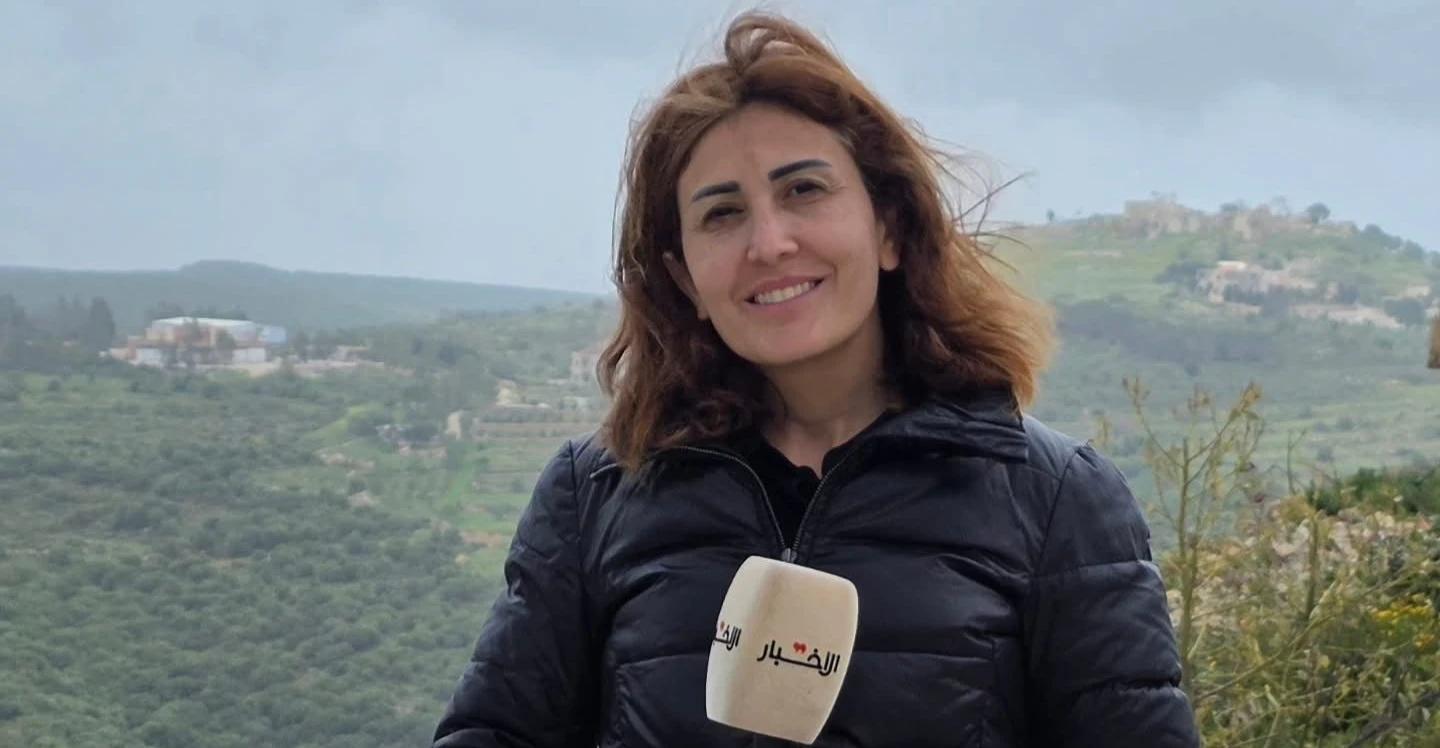
France 24 focused on the extension “despite ongoing strikes in the south” and highlighted that the largest number of casualties since the ceasefire took effect involved journalist Amal Khalil, while also describing an Israeli strike on the Ainata area and Lebanese health ministry reports of deaths and injuries.
Several outlets also returned to Amal Khalil’s death as a flashpoint, with PBS saying “On Wednesday, Amal Khalil, a well-known Lebanese journalist covering southern Lebanon, was killed by an Israeli strike,” and WBUR describing her funeral procession in Baysariyeh, in southern Lebanon, on Thursday.
Stakes and what comes next
The stakes described by the sources extend beyond the immediate ceasefire extension, because the next phase depends on whether Israel and Lebanon can translate the ambassador-level talks into wider negotiations while Hezbollah rejects the process.
The AP reported that preparations were being made for wider-reaching negotiations, with Aoun saying the aim is to “fully” stop Israeli attacks, withdraw Israeli troops from Lebanon, release Lebanese prisoners held in Israel, deploy Lebanese troops along the border and begin reconstruction.
The AP also said Israeli Foreign Minister Gideon Saar called on Lebanon to work with Israel to disarm Hezbollah, while Hezbollah’s political council member Wafiq Safa said it “will not abide by any agreements made during the direct talks.”
CBS added that Trump said Iran must stop funding Hezbollah as part of any deal with the U.S., quoting Trump: “That's a must,” and it also included Trump’s statement that he would not use a nuclear weapon against Iran, saying “We don't need it.”
The Washington Post reported that more than 1.2 million Lebanese have been displaced by the fighting, most of them from the south, and it said many returned during the ceasefire to find their homes destroyed.
France 24 reported that Hezbollah’s deputy Hassan Fadlallah said the group wishes to continue the ceasefire but on the basis of full Israeli commitment, urging the government to “stop all forms of direct contact with the enemy.”
PBS reported that after a Cabinet meeting Thursday, Lebanon’s Deputy Prime Minister Tarek Mitri said the government is working on a report documenting alleged war crimes by Israel and that ministers had discussed joining the International Criminal Court, while also stating that the latest Israel-Hezbollah war has killed around 2,300 people.
More on Lebanon

Hezbollah Drone Attack Wounds Israeli Reservist as Rockets Strike Upper Galilee
12 sources compared
Israel Kills Lebanese Journalist Amal Khalil in Al-Tayri Airstrikes
87 sources compared
Israeli Strikes Kill At Least Four In At-Tiri, Lebanon, Leaving Journalist Amal Khalil Trapped
17 sources compared
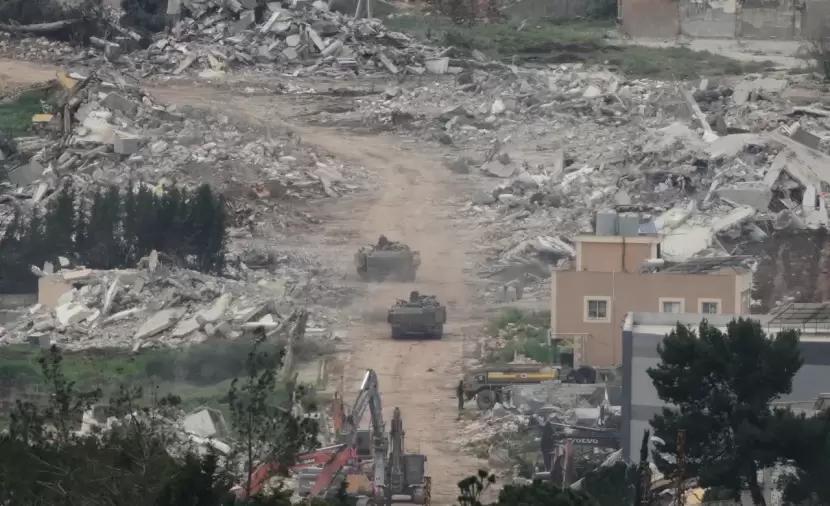
Israeli Forces Launch New Demolition Operations in Shamaa After April 17 Cease-Fire
10 sources compared