USA · 10 August, 2026 · 2 min read
Donald Trump Demands Iran Pay Compensation for Killed and Gravely Wounded
Trump said Iran must pay compensation for those killed or gravely wounded by Tehran. It was in response to Iran's request for war reparations amid stalled Hormuz negotiations.
Who is said to control and how mines/strait safety are handled.
10 of 12 outlets skipped it: trump says the USS Cole compensation includes blaming Iran despite FBI attribution.
22outlets compared
Same story, two versions
tap a side to read it in full
Reuters
“The FBI has attributed that bombing, which killed 17 sailors and wounded more than three dozen others, to al Qaeda.”Read the original ↗
The Hill
“Trump said he would start ‘demanding compensation from Iran, for all of the people that they have killed’”Read the original ↗
Reuters underlines FBI al Qaeda attribution while Trump’s Iran blame is still treated as compensable
Trump adds compensation demand
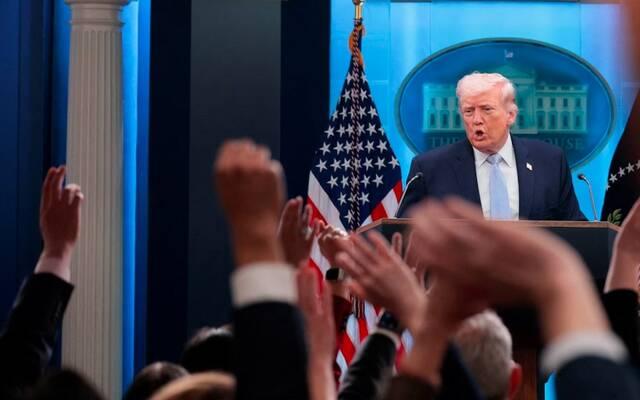
U.S. President Donald Trump said Monday that he will demand Iran pay compensation for “all of the people that they have killed and gravely wounded,” linking the demand to Iran’s request for damages after U.S. and Israeli strikes this year.
In a Truth Social post, Trump wrote, “I have instructed my representatives to put this firmly into any, and all, future negotiations,” making compensation part of the next round of talks.

Trump also referenced the October 2000 bombing of the USS Cole, saying he would seek compensation for those killed there, and Reuters reported the FBI attributed the USS Cole bombing to al Qaeda.R
The dispute is playing out as Iran said over the weekend it was nearing a deal with Oman defining new shipping lanes through the Strait of Hormuz, while repeating that the U.S. must meet conditions including compensation and an end to sanctions and military threats before the waterway is reopened.
Hormuz talks and U.S. leverage
Trump’s compensation demand came as negotiations around the Strait of Hormuz remained unsettled, with TRT World describing the U.S. and Tehran as divided over “both the conflict and the terms of any agreement.” In the same period, Trump told reporters in the Oval Office at the White House that “The only party currently in control of the Strait of Hormuz is the United States Navy,” and said, “We have removed the mines from the entire strait.”
The Hill reported that Iran’s Supreme National Security Council said over the weekend that the Strait of Hormuz will remain closed until the U.S. “corrects its behavior,” and that the council’s secretary, Mohammad Bagher Zolghadr, said the U.S. must permanently end the war, lift the naval blockade, and withdraw its military. TReuters also tied the compensation demand to Iran’s push for damages, noting Trump’s post followed Iran’s statement that it was nearing a deal with Oman on new shipping lanes through the Strait of Hormuz.
Who pays, and what’s at risk
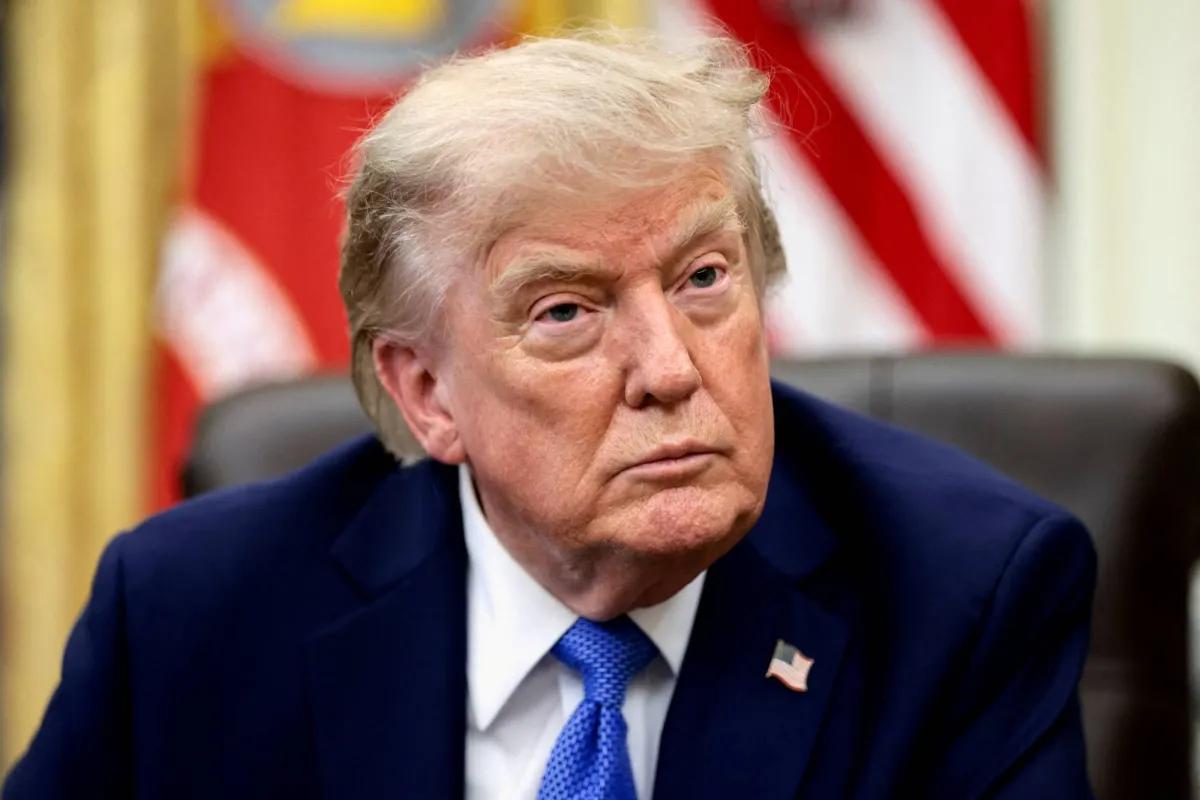
Trump’s remarks expanded the scope of compensation beyond Iran’s war-related damages, with Reuters saying he added that Tehran should also pay compensation to the families of the thousands of people during anti-government protests in January. RThe Hill reported Trump said compensation should cover “the 52,000 that have been killed in the last five months,” and also referenced compensation for protesters killed in Iran “over the last 50 years.”T
In Diario Las Américas, Trump said he instructed his representatives to include compensation in “every single future negotiation,” and he added that Iran should be held responsible for “the damages and deaths” in Lebanon, Syria, Yemen, and Gaza. As the standoff continues, the Strait of Hormuz remained a central pressure point, with ASHARQ AL-AWSAT saying the strait had been effectively blocked since the U.S.-Israeli attacks on Iran on February 28, and that oil prices and gas prices rose after Iranian statements about conditions for reopening.