
USA · 10 August, 2026 · 3 min read
Trump Demands Compensation From Iran After Tehran Conditions Reopening Strait of Hormuz
Iran demands six US concessions, including ending the naval blockade, to reopen Hormuz. Trump demands Iran pay compensation for losses as Hormuz talks stall.
Trump’s US control vs Iran’s ability to disrupt in the Strait.
9 of 11 outlets skipped it: iran military leadership reshuffle after new national security chief.
24outlets compared
Same story, two versions
tap a side to read it in full
ABC News
“U.S. controls it ‘100%,’ though he acknowledged that Iran could ‘make trouble.’”Read the original ↗
Both quote 100% control, but framing subtly shifts attention to disruption risk.
Compensation and Control
President Donald Trump said the United States controls the Strait of Hormuz “100%” while admitting Iran “can make trouble,” as he told reporters in the Oval Office, “We control the strait 100%,” and added, “Now, can they make trouble? Yeah, they can make trouble, but they're broke, they have no money.”
Trump also demanded compensation in response to Tehran’s conditions for reopening the strait, writing on social media, “I am likewise demanding compensation from Iran.”
ABC News reported Trump announced “major combat operations” against Iran on Feb. A28, with massive joint U.S.-Israeli strikes targeting military, government and infrastructure sites, and said the U.S. and Iran entered negotiations in June aimed at a war-ending deal based on a memorandum of understanding signed by both countries.
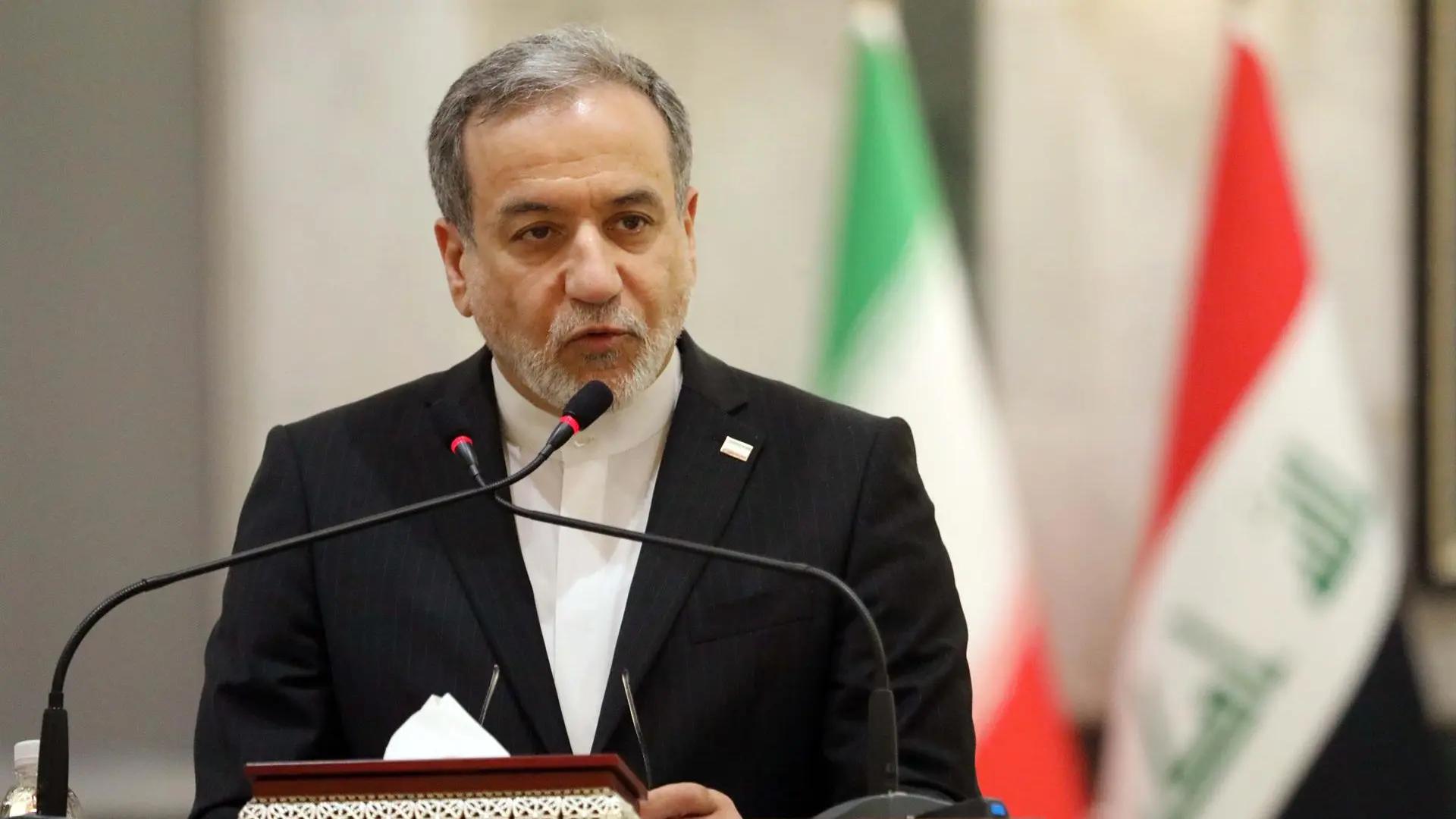
ABC News further reported that Iran Foreign Minister Seyyed Abbas Araghchi said reopening the Strait of Hormuz was contingent on conditions including the U.S. paying Iran “compensation for violations” of the memorandum of understanding.A
In parallel, ABC News said the Yemeni Armed Forces stated that at least four soldiers and three civilians were killed in an attack on the Red Sea port city of Mocha by Iran-aligned Houthi rebels on Sunday, with Col. AMajid Abdullah Al-Nuzaili saying at least 30 other people were injured.
Talks Stall, Mines and Ships
CNN reported that Trump told reporters, “It’s open now. CLook, the only one that has control of the Strait of Hormuz right now is the United States Navy,” and added that “They will, on occasion, drop a mine, and we find the mine,” as he said the U.S. controls the strait “100%.”
CNN also said Iran’s Supreme Leader Mojtaba Khamenei reshuffled military leadership with six senior appointments, including Ali Abdollahi as armed forces chief of staff and Ahmad Vahidi as commander-in-chief of the Islamic Revolutionary Guard Corps (IRGC).C

ABC News said Iranian Foreign Ministry spokesperson Esmaeil Baqaei told reporters on Monday that there are no direct negotiations ongoing between Iran and the U.S., with communications limited to exchanging messages through intermediaries.A
CBS News reported Trump told Axios the U.S. is only “semi-negotiating” with Iran, and signaled he would allow economic pressure to pile on Tehran as the Strait of Hormuz remained effectively closed because of the war.
ABC News added that Baqaei said Tehran’s focus was “on advancing negotiations with Oman to determine the final destination of the shipping route” through the Strait of Hormuz, while warning that Tehran would not allow the waterway to reopen unless the U.S. agreed to key Iranian demands including reconstruction funding and lifting sanctions.A
Economic Pressure and Wider Stakes
USA Today reported Trump said the U.S. is “low-keying it” with Iran and “only semi-negotiating with them,” describing the approach as watching Iran’s “huge inflation and the fact they have no money.”
USA Today also said Trump extended a waiver for 90 days for foreign ships to transport goods including oil and fertilizers to take effect on Aug. 17, and that the waiver would only apply to cargo that are sources of energy and commodities related to agriculture such as fertilizers and soybean oil.
CNN said oil prices remained elevated after Iran said an imminent agreement with Oman to manage the Strait of Hormuz would not be enough to reopen the vital waterway unless the U.S. met a list of conditions.C
Time Magazine reported that Mohammad Baqer Zolqadr, the outgoing secretary of Iran’s Supreme National Security Council, declared, “Until America corrects its behavior, the Strait of Hormuz will not open,” after listing six demands including lifting the naval blockade and lifting “the cruel and illegal sanctions.”
The American Legion said U.S. and South Korea troops would begin annual exercises next week to counter North Korean threats, with Ulchi Freedom Shield set to begin next Monday for an 11-day run and with about 18,000 South Korean soldiers participating, as the broader regional security environment remained tied to the same strategic waterways and pressures.