Financeupdated 31m ago3 min read
Archive photo · 2 June 2025Trump Blames Democrats’ Midterm Sweep for $3 Trillion Stock Market Loss
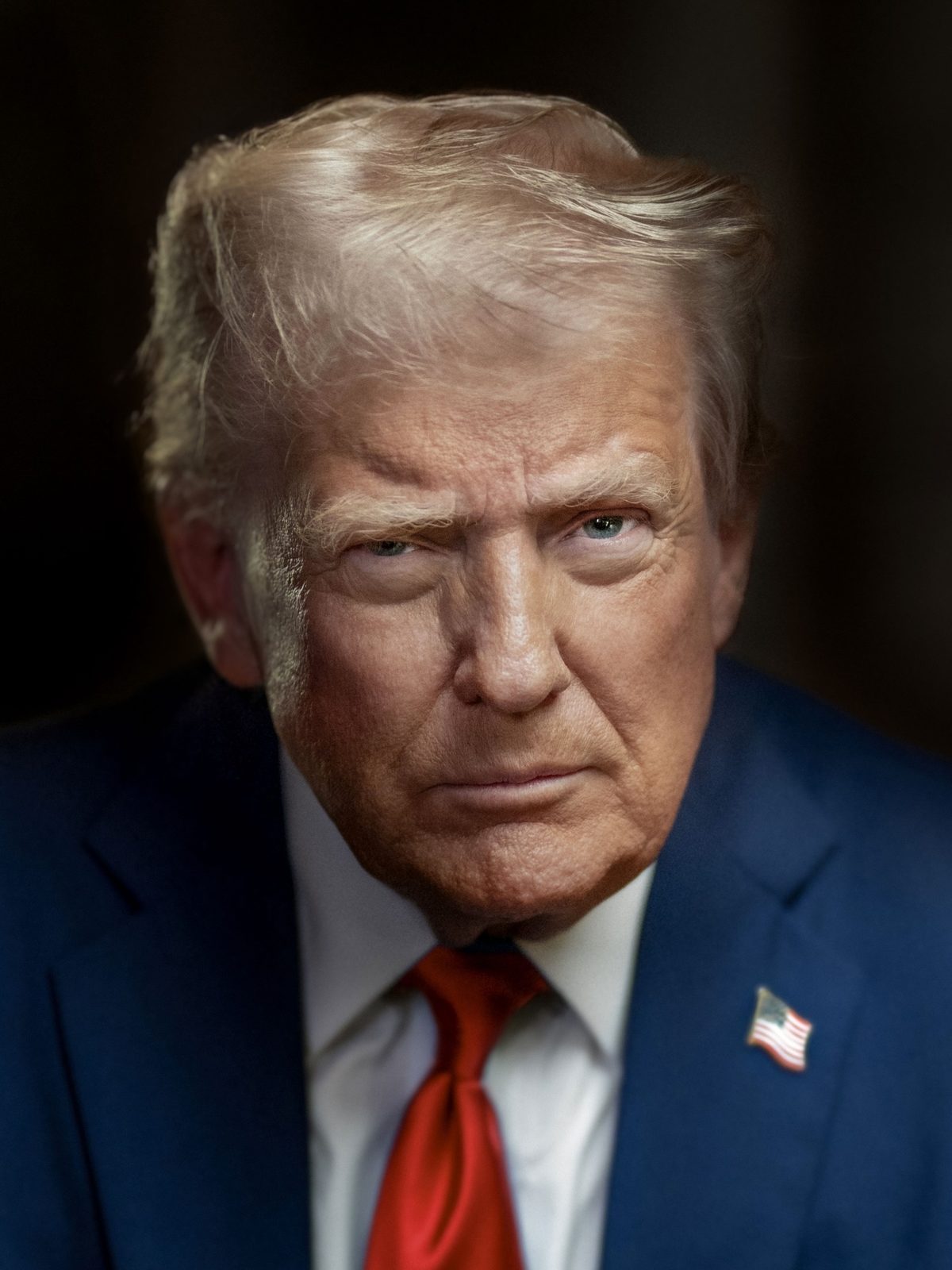
2 West Asian1 Asian1 Other2 Other source typesPhoto: Daniel Torok / US federal government, Public domain · Cropped for layout
This article is an automated aggregation of coverage from news outlets. Our editorials offer in-depth analysis curated by the NewsCord team.
Trump claimed Democrats' midterm sweep caused a $3 trillion one-day stock market loss. Post-election sell-off wiped trillions from U.S. stocks as tech stocks led declines.
Save coverage image
Trump blames $3 trillion
Donald Trump blamed the midterm election results for a one day $3 trillion loss in stock market value, saying America had “taken a giant step back in History” and posting on Truth Social that “Even the Stock Market, which has been a ‘ROCKETSHIP’ under ‘TRUMP,’ took a one day, 3 Trillion Dollar loss,”. Trump also told reporters in Florida that the US “lost about $3 trillion” after investors learned Democrats had performed well in the election, linking the move to his administration’s position on Iran’s nuclear programme. Market moves followed that political narrative, with the Dow Jones Industrial Average climbing 1,569 points, or 3%, on Wednesday and then reversing as US stocks lost roughly $3 trillion on Thursday.
Newsweek said the Nasdaq plunged 5.5% and the S&P 500 fell 4.4% on Thursday, while the Dow dropped more than 1,800 points, or 3.4%, as the tech heavy indexes swung after the midterms. Newsweek said the Nasdaq plunged 5.5% and the S&P 500 fell 4.4% on Thursday, while the Dow dropped more than 1,800 points, or 3.4%, as the tech heavy indexes swung after the midterms. The World Socialist Web Site put the scale of the decline at “$3.2 trillion” and described the selling as triggered by fears that Democratic victories in state governor races would bring restrictions on AI development.
Data centers become flashpoint
Newsweek tied the sell off to fears that Democratic victories could slow the expansion of AI infrastructure and data centers, and it said the rebound left the Nasdaq up 1.09 percent to close at 24,579.42. Data centers featured in 41 ballot measures across 10 states on Election Day, and voters supported some form of restriction or ban on their development in all but one. Several Democratic candidates campaigned on restricting or pausing new data centre projects amid concerns about their demands on electricity grids and local infrastructure.
Texas has about 248 data centers planned and Gina Hinojosa stated she will prohibit all new authorizations until new laws are approved. Wells Fargo estimated that 27 percent of planned data center gigawatts are in Texas, and Newsweek said Democratic Governor-elect Gina Hinojosa campaigned on imposing an immediate moratorium on new data-center approvals.
Policy fight and market stakes
The Times of India said Trump retains the presidential veto, which allows him to block legislation passed by Congress unless lawmakers secure a two-thirds majority in both chambers to override it.
Trump posted a photograph of a red baseball cap bearing the word “VETO” on Truth Social, and it quoted him saying, “It’s the power of veto. It’s one of the stronger powers that a president has,”.
The Democratic gains opened the door for Democrats to challenge the administration’s policies, scrutinise federal spending and launch investigations into the Trump administration.
Trump wrote on Truth Social that “The Stock Market crashed today because the Dumocrats had a big Tuesday,” and it described his continued push to accelerate AI development.
The PHLX semiconductor index fell 12.25 percent, and it quoted Greg Brockman of OpenAI saying, “Nobody has really seen something like this in U.S. politics,” as leaders in the AI and tech sector reacted to local opposition.