Iranupdated 27m ago3 min read
Archive photo · 2 September 2010US Central Command Expands Task Force Iron Gate To Cut Iran’s Land And Caspian Routes
4 West Asian2 Western Alternative2 Western Mainstream2 Other source typesPhoto: Caspian_Sea_from_orbit.jpg: Jeff Schmaltz, MODIS Rapid Response Team, NASA/GSFC derivative work: IdLoveOne ( talk ) / US, Public domain · Cropped for layout
This article is an automated aggregation of coverage from news outlets. Our editorials offer in-depth analysis curated by the NewsCord team.
CENTCOM expands Task Force Iron Gate to disrupt Iran's land routes and Caspian shipments. The unit coordinates with partners and adds land-corridor surveillance to the naval blockade.
Save coverage image
10 outlets in this story. Read their headlines below.
The Times of Israel was read line by line by the Watchdog: 6.0. See the score →
Task Force Iron Gate
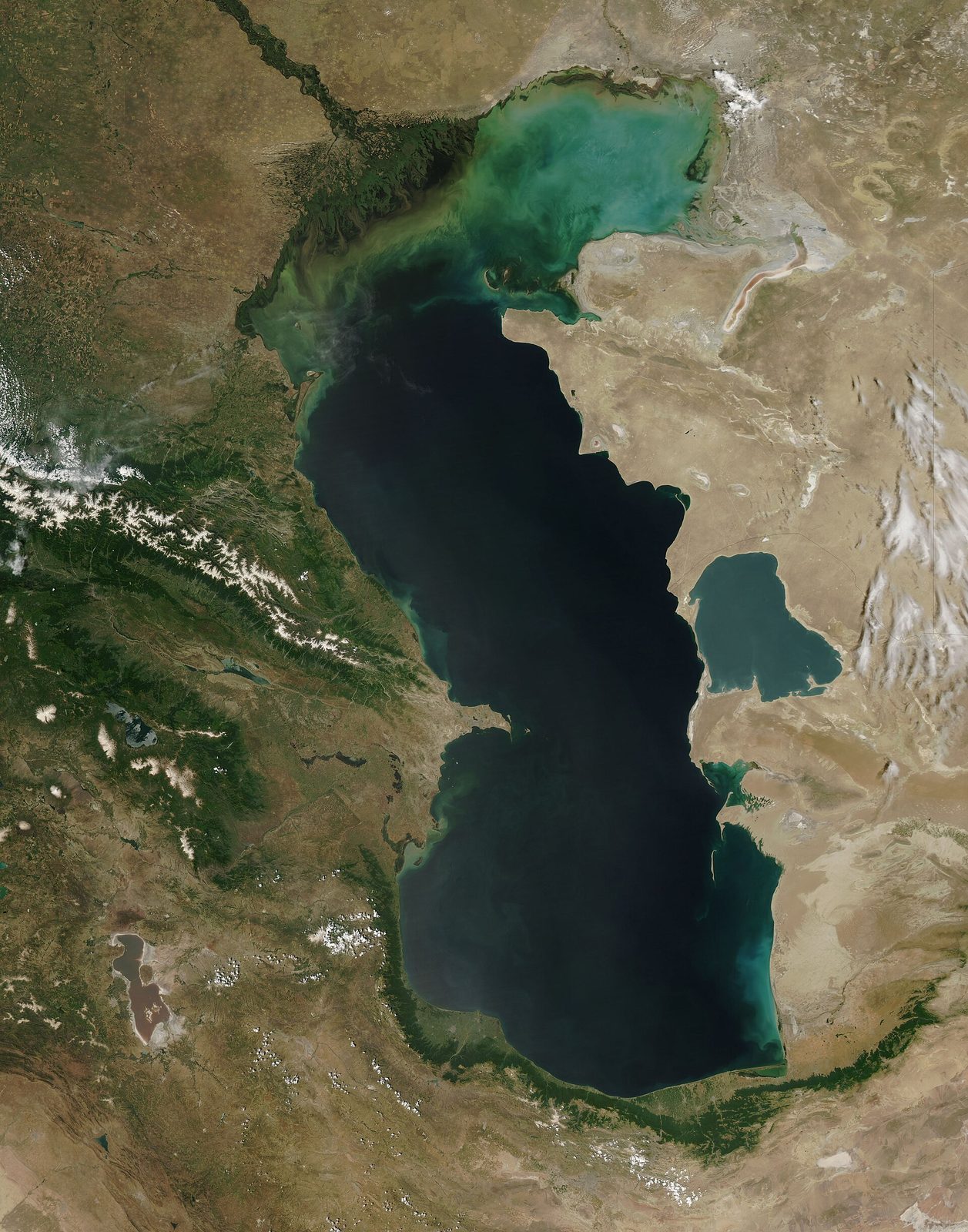
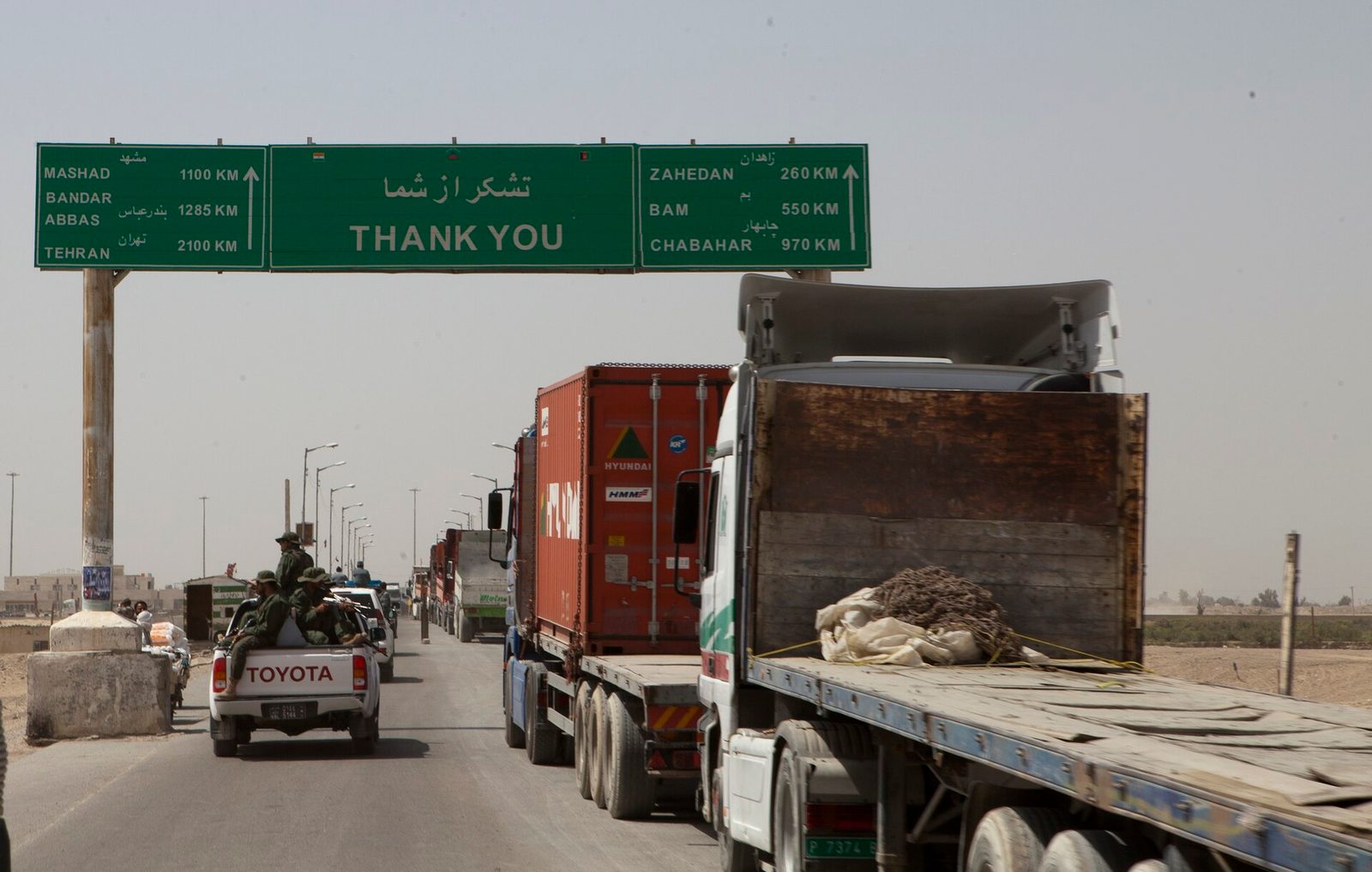
The United States Central Command announced on Saturday that it is expanding efforts to choke Tehran’s military supply networks through Task Force Iron Gate, a unit targeting land routes and the Caspian Sea to prevent Iran from using ground routes to transport advanced weapons and other materials. CENTCOM said the Tampa, Florida-based unit would coordinate with other US government agencies to prevent the movement of advanced weapons systems, dual-use technologies, sanctioned materials and illegal revenue streams across Iran’s land borders and the Caspian Sea, and CENTCOM Commander Admiral Brad Cooper said the task force would reinforce “the success of our ironclad blockade against Iran at sea”. Michael Mulroy, a former US deputy assistant defence secretary for the Middle East, told Al Jazeera that Task Force Iron Gate will aim to find out where “weapons systems are coming in, how they could potentially be cut off” and how “Iran is transporting its energy”.
The Islamic Revolutionary Guard Corps dismissed the US plan as “just a play on words,” and IRGC spokesman Sardar Mohebi said the Americans cannot achieve their goal of applying severe economic pressure to collapse and disintegrate the Iranian economy. The IRGC announcement also described “ambitious plans for underground complexes capable of sustaining missile and drone production under bombardment,” and it came amid reports of ongoing construction near Iranian missile bases based on satellite imagery and previous claims by Tehran that US strikes failed to destroy its underground facilities.
Iran mocks the blockade
Hossein Mohebbi told the semi-official Fars news agency that “The Iron Gate plan is merely a wordplay, the Americans cannot achieve their objectives of imposing severe economic pressure to cause economic collapse in Iran through this approach,” as the IRGC dismissed the initiative. Mohebbi added that Washington previously “claimed that Iran will suffer an economic collapse within two weeks, but we witnessed that this did not happen,” and he said Tehran had prepared for economic pressure and maintained close relations with neighbouring countries. The Times of Israel reported that Mohebbi said the US cannot achieve its goals of blockading Iran’s economy and shutting its trade routes because Tehran has made preparations and communicates closely with neighbors.
Türkiye Today quoted Mohebi saying, “None of the naval, air and land blockade plans have succeeded,” and it quoted him warning that Iron Gate “will remain only on paper and exist only in the statements of U.S. officials and CENTCOM commanders.” The IRGC spokesman also framed the confrontation as a hybrid war, and he said “The war continues between us and the enemy, both militarily and economically,” while warning that “we’ll hit harder” if the US targets Iranian vessels.
What comes next
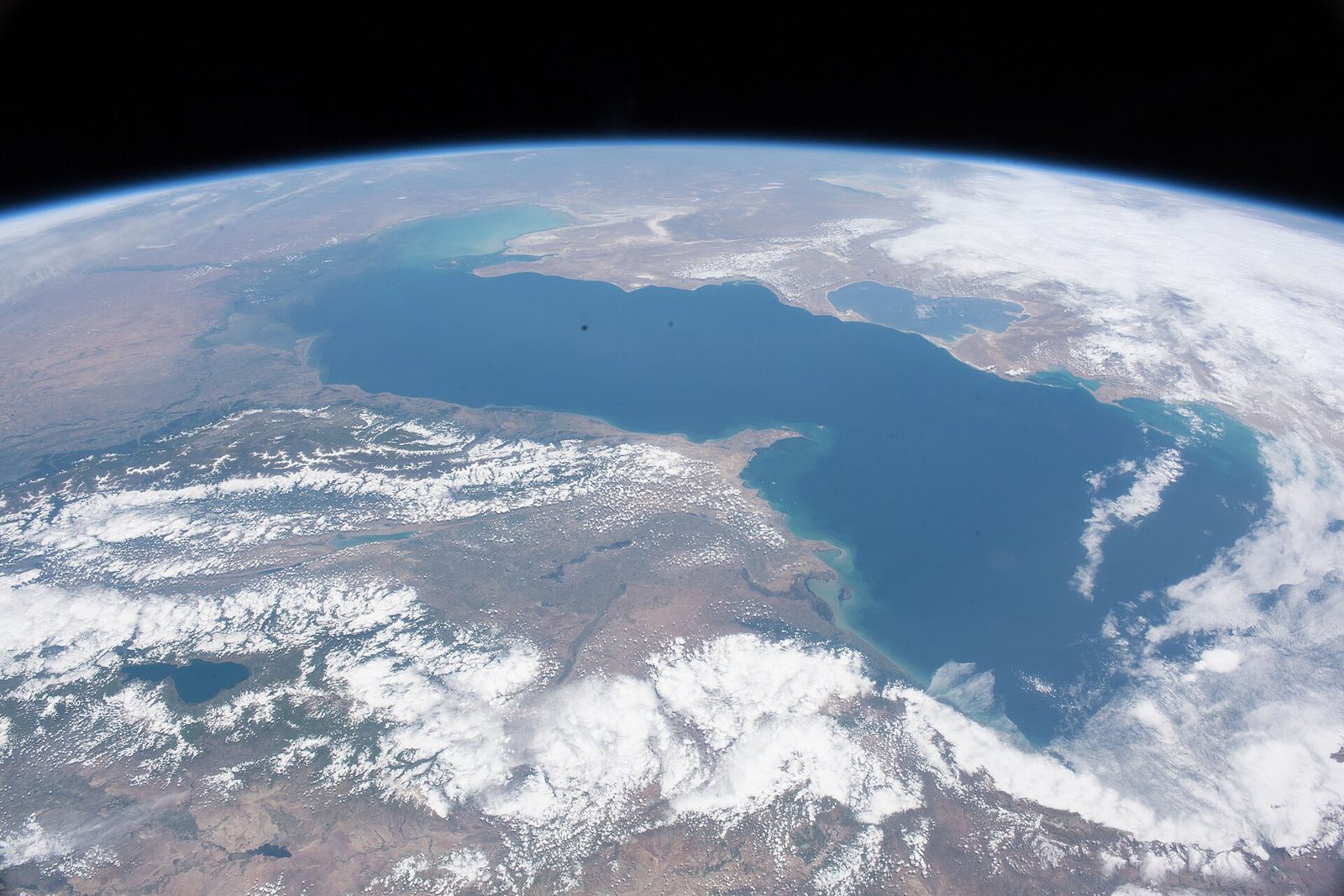
CENTCOM said Task Force Iron Gate will coordinate with other agencies to prevent the movement of advanced weapons systems, dual-use technologies, sanctioned materials and illegal revenue across Iran’s land borders and the Caspian Sea, extending the blockade effort from ports to overland corridors. Al Jazeera reported that Mulroy said the task force expands on the US blockade of Iranian ports to cover Iran’s land borders and the Caspian Sea, and he said that if US President Donald Trump ramps up the war, there will likely be attacks on a “series of targets” focused on economic and infrastructure targets. The IRGC warned that it would not ease pressure, and WANA News Agency quoted Brigadier General Hossein Mohebi saying the confrontation continues on multiple fronts and describing the conflict as a hybrid war encompassing both military and economic dimensions.
Türkiye Today reported that the IRGC Navy said three “non-compliant” tankers using an “unauthorized route” in the Strait of Hormuz had been hit by explosions and severe fires, and it quoted the IRGC Navy saying the tankers were burning because they turned off navigation and identification systems. The IRGC’s dismissal of Iron Gate, Türkiye Today said, signaled “no easing on either side,” as the US initiative aimed to disrupt transport routes while Iranian officials argued Washington could not enforce an economic blockade.