Iran08 April, 20262 min read
Donald Trump Ends Weeks Of US-Iran Military Engagements, Lifts Hormuz Strait Blockade
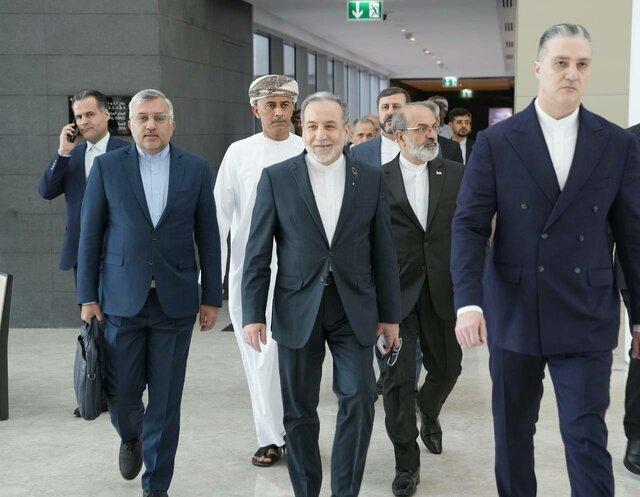
Nuclear negotiations resume between the U.S. and Iran in Geneva and Oman. Oman hosts indirect talks between the U.S. and Iran with high-level participation.
Deal, blockade, and oil flow
A US–Iranian agreement announced by U.S. President Donald Trump aims to end weeks of direct military engagements and lift the maritime blockade of the Hormuz Strait, with the Strait to be reopened as Trump says.
The BBC’s Jeremy Bowen said the memorandum of understanding extends the ceasefire and lifts the US naval blockade of Iranian ports, while pushing “harder issues to future negotiations” including “the future of Iran's nuclear program.”
Bowen also described the stakes of reopening Hormuz, saying it would ease “the burden on the global economy and on hundreds of millions of people affected by this around the world.”
In the same BBC account, Bowen said the agreement is “not a peace deal” and noted negotiators say its text contains “14 points spread over two pages.”
$300 billion dispute and claims
CNN Arabic reported contradictory statements by Trump and Vice President Mike Pence about a $300 billion figure, with Trump writing on Truth Social that the claim his administration would pay Iran $300 billion is “fake news spread by stupid Democrats.” CNN Arabic also quoted Pence telling CBS that Iranians “could get a $300 billion reconstruction fund if they comply with the terms of the agreement,” adding that the fund “will be funded by Gulf states.”
In a separate account, L'Orient Today said the United States is committed to facilitating “a definitive plan, mutually agreed, in an amount of at least $300 billion” for reconstruction and economic development, with modalities to be finalized during negotiations. L'Orient Today further stated that Iran “will also be authorized to sell its oil as soon as this memorandum of understanding is formally signed,” linking the reconstruction funding framework to the agreement’s implementation.

War aftermath and next steps
The BBC’s Jeremy Bowen said the war was sparked by “an American and Israeli misreading of Tehran's capabilities,” and he described how the agreement would bring relief to “civilians living on the front lines.” Bowen said that in the first wave of sudden attacks, Israel killed the Iranian Supreme Leader Ali Khamenei and close advisers, while an American strike levelled a school in the Minab region of southern Iran, and he added that “More than 150 civilians were killed, including at least 120 students.”
L'Orient Today reported that Iran is considering signing the memorandum of understanding by the presidents of both countries at a meeting scheduled for the end of the week in Switzerland, with Iranian Foreign Ministry spokesperson Esmail Baqaei saying “one of the ideas is that it be carried out by the presidents of the two countries.” In the same L'Orient Today report, Trump said he defended the agreement concluded with Iran during the G7 summit in Evian because continued war could have led to “an economic catastrophe,” and he said U.S. forces voluntarily refrained from striking Iranian oil pipelines to avoid disrupting the global market.