
Trump Rejects Iran’s Proposal as U.S.-Iran Diplomatic Stalemate Over Strait of Hormuz Persists
Key Takeaways
- Iran proposed reopening Strait of Hormuz if the U.S. drops its blockade of Iranian ports.
- Trump unhappy with Iran's latest proposal to end the war.
- Diplomatic stalemate persists with talks halted and no nuclear concessions achieved.
Stalemate, New Offers
The diplomatic track between Washington and Tehran remains blocked even as both sides keep proposing ways to end the war that has been ongoing for two months, with analysts expecting the two sides will not return to fighting.
“Despite the impasse in the diplomatic track aimed at securing an agreement between the United States and Iran that would permanently halt the war, analysts expect that the two sides will not return to fighting”
Reuters, citing an American official, reported that President Donald Trump is dissatisfied with Iran’s latest proposal to settle the war, weakening hopes of reaching a solution.
CNN, citing two sources, said Trump expressed his views during a meeting with senior national security officials on the Iranian file after Iran submitted a new proposal to end the war.
The Al-Jazeera Net report says the latest Iranian proposal calls for delaying discussion of the nuclear program until the war ends and for resolving disputes related to maritime shipping.
The Wall Street Journal reports that the Iranian offer presents a three-stage plan, starting with an end to the war by the United States and Israel and with guarantees that the war will not be rekindled.
The Journal also quoted officials as saying Tehran offered regional mediators a plan to halt attacks in the Strait of Hormuz in exchange for a complete end to the war and for lifting American sanctions on Iranian ports.
Despite the proposals, the same report says stances remain firm, with Iran and the United States steadfast in their demands, especially on the nuclear program and control of the Strait of Hormuz.
The impasse is also described as a stalemate over the weekend, with Tehran refusing to reopen the Strait of Hormuz until Washington terminates its naval blockade and ends hostilities, while Trump demands a more encompassing treaty that would dismantle Iran’s nuclear program and curb ballistic missile development and regional proxy activities.
Blockade Leverage and Energy
The negotiations are being shaped by the Strait of Hormuz and the naval blockade, with multiple reports tying the diplomatic deadlock to economic pressure and global energy impacts.
The Mathrubhumi English report says Tehran has refused to reopen the Strait of Hormuz until Washington terminates its naval blockade and ends hostilities, while the U.S. demands a comprehensive treaty covering Iran’s nuclear program, ballistic missile development, and regional proxy activities.

It adds that the continued closure of the strait, described as a conduit for roughly 20 per cent of the world’s traded oil and gas, has catalysed a surge in global energy prices that threatens the international economy ahead of the U.S. midterm elections.
The same report says the American blockade is effectively paralysing the Iranian economy and that the maritime restriction severely limits Iranian oil exports, the primary source of hard currency for the theocratic government.
It also describes shortages of jet fuel and cooking gas beginning to emerge in several regions, while prices for gasoline and oil are reaching historic highs.
The CBS News report says Iran has offered a deal to reopen the Strait of Hormuz to commercial shipping if the U.S. drops its military blockade of Iranian ports and vessels, and that the offer apparently includes no concessions on Iran's nuclear program, which President Trump has insisted must be dismantled.
CBS further reports that Hezbollah's leader has flatly rejected the U.S.-brokered negotiations between Israel and Lebanon, "and their outcomes," raising new doubt over the tenuous ceasefire in the parallel war and further complicating prospects for a U.S.-Iran deal.
Statements and Reactions
As the stalemate persists, the sources present competing explanations for why talks have failed and what each side is willing to do next.
Al-Jazeera Net reports that on Monday, Iranian Foreign Minister Abbas Araghchi attributed the failure of the talks to Washington, saying during his visit to Russia that American demands had been excessive and caused the failure of the previous round, despite some progress.
The same report says Trump told Fox News that Iran knows what a peace deal should look like and that it is simple: they cannot possess a nuclear weapon, otherwise there would be no reason to meet.
Mathrubhumi English reports that U.S. Secretary of State Marco Rubio appeared to confirm this stance during a Monday interview with Fox News, saying, “We can’t let them get away with it,” and “We have to ensure that any deal that is made, any agreement that is made, is one that definitively prevents them from sprinting towards a nuclear weapon at any point.”
Al-Jazeera Net also says Iranian President Masoud Bezhkian, in a telephone conversation with Pakistani Prime Minister Shehbaz Sharif on Saturday, said that Iran would not enter into what he called imposed negotiations under threat or blockade.
In a separate thread, CBS News reports that Iran said the United States was no longer able to "dictate" what other countries do, as Washington weighed a new proposal from Tehran on ending the Middle East war.
CBS quotes defense ministry spokesman Reza Talaei-Nik, saying, "The United States is no longer in a position to dictate its policy to independent nations," and adding that Washington would "accept that it must abandon its illegal and irrational demands."
How Outlets Frame the Same Deadlock
While the core facts of a stalled U.S.-Iran diplomatic track and a focus on the Strait of Hormuz recur across reports, the outlets diverge in emphasis, including how they describe the negotiation process and the likelihood of progress.
Al-Jazeera Net frames the situation as an impasse in a diplomatic track aimed at securing an agreement that would permanently halt the war, and it says experts expect the two sides will not return to fighting, describing the stalemate as reflecting a slowdown in negotiations rather than a collapse.

Mathrubhumi English, by contrast, emphasizes rigid negotiating positions and describes the impasse as carrying high stakes for both protagonists, linking it to global energy prices and the U.S. midterm elections.
Devdiscourse describes diplomacy continuing behind the scenes despite halted face-to-face talks after Trump canceled envoy trips, and it highlights that the discord revolves around Iran's nuclear program and Strait of Hormuz access while oil prices rise.
Crypto Briefing uses a different lens, reporting that Trump plans a national security meeting to discuss the Iran stalemate, and it presents a market-based view of expectations, including that the April 26 market for a diplomatic meeting sits at 0.1% YES.
The Business Times adds a structural interpretation, saying nearly two months have passed since U.S. and Israeli strikes shook Teheran and killed Iran’s Supreme Leader Ali Khamenei, and it argues the war has settled into a grinding diplomatic stalemate that exposes fundamental contradictions on both sides.
Meanwhile, the Al-Sharq report focuses on how the war grants Beijing diplomatic gains while binding it to an energy crisis, describing U.S. rerouting of carriers, missiles, and air defense systems and warning that what passes through the Hormuz Strait touches the heart of China’s economic and industrial security.
Across these framings, the common thread remains that both sides keep firm demands, but the sources present different pathways for how the stalemate might evolve, from Al-Jazeera Net’s “slowdown” view to Crypto Briefing’s trader consensus and The Business Times’ structural framing.
What Comes Next
The sources lay out multiple near-term next steps, even as they disagree on how quickly diplomacy could move.
Al-Jazeera Net says Trump canceled the planned visit of his envoys Steve Wittkoff and Jared Kushner to Pakistan, and the next day he said Iran could call by phone if it wished to negotiate to end the war that began on February 28.

The same report says diplomatic efforts continue through indirect channels, with Fars News Agency reporting that Tehran has sent written messages to Washington via Pakistani intermediaries outlining its red lines, including its positions on nuclear issues and the Strait of Hormuz.
It also says Araghchi has been engaged in an intensive round of regional diplomacy, visiting Pakistan, Oman, and Russia over the past three days, and that he told IRNA in an interview from Saint Petersburg that it is a good opportunity to consult with their Russian friends about developments related to the war during this period and what is happening now.
Mathrubhumi English adds that a truce that began on April 8 remains in effect, having been extended indefinitely by Trump, and it notes that Pakistani authorities in Islamabad dismantled the security infrastructure and checkpoints previously staged for anticipated negotiations.
Devdiscourse says hopes for a peaceful resolution have diminished as key figures visit allied nations to strategize responses, while it also notes that Trump canceled envoy trips, signaling a breakdown in traditional face-to-face diplomacy.
Crypto Briefing says traders are watching for Trump’s statements after the meeting and any signals from CENTCOM that could affect military actions, and it reports that the odds of Trump agreeing to Iranian oil sanction relief in April are at News of a potential resumption of bombing is causing traders to reassess their positions.
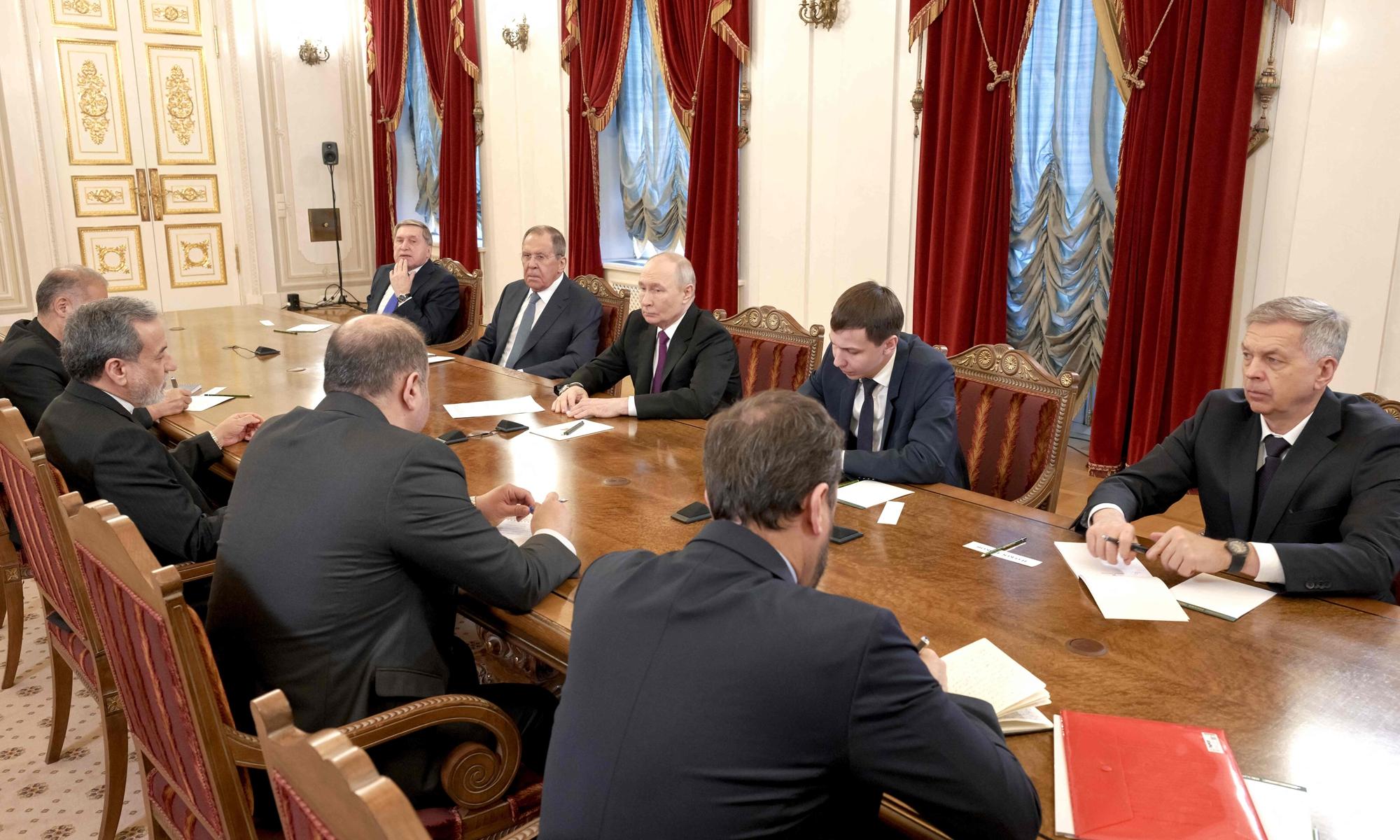
CBS News reports that Hezbollah's leader rejected U.S.-brokered negotiations between Israel and Lebanon, raising doubt over the ceasefire and complicating prospects for a U.S.-Iran deal, while it also says the move has left Iran's foreign minister meeting with President Vladimir Putin in Russia on Monday.
More on Iran
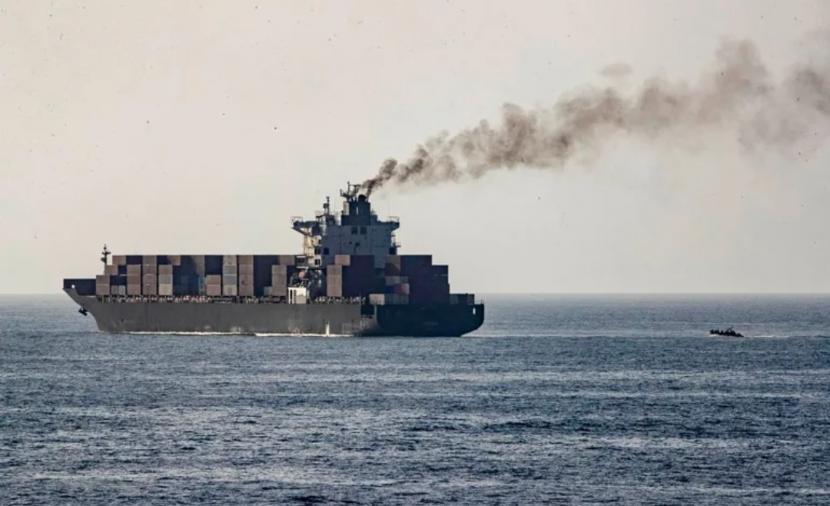
Four Iran-Linked Ships Cross Strait of Hormuz in Last 24 Hours, Al Jazeera Monitoring Shows
12 sources compared
Trump Discusses Iranian Proposal To Reopen Strait Of Hormuz, Postpones Nuclear Talks
50 sources compared
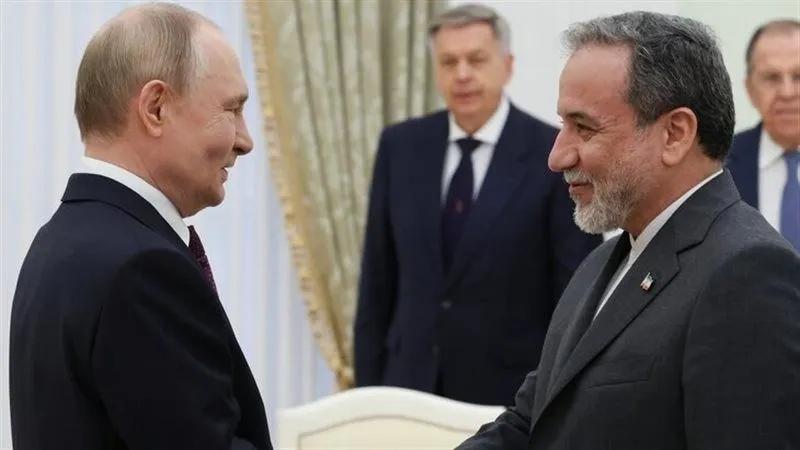
Putin Pledges Support for Iran as Abbas Araghchi Meets Him in St. Petersburg
30 sources compared
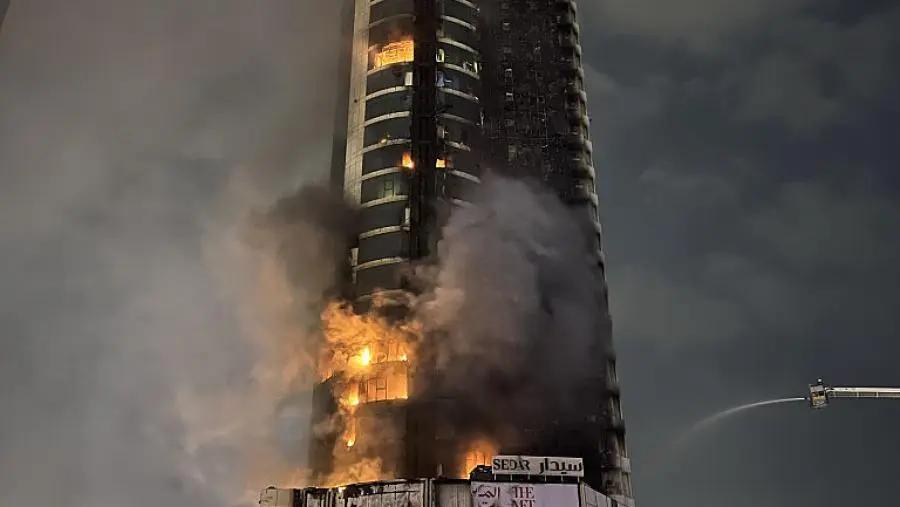
Bahrain Revokes Citizenship of 69 People for Supporting Iran Amid Regional Escalation
12 sources compared