China24 May, 20263 min read
Donald Trump Meets Xi Jinping in Beijing, Praises U.S.-China Relationship
This article is an automated aggregation of coverage from news outlets. Our editorials offer in-depth analysis curated by the NewsCord team.
Trump and Xi Jinping held a summit in Beijing. Discussions centered on Ukraine and Iran amid broader geopolitical tensions.
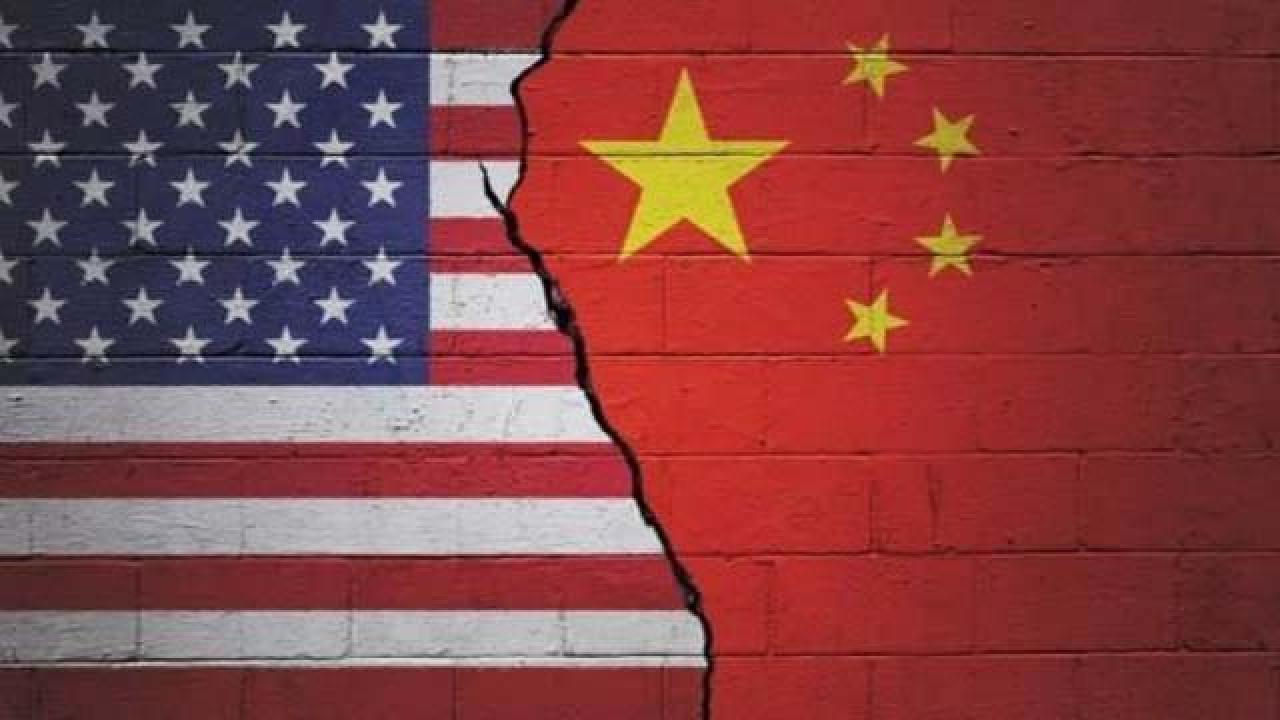
Trump, Xi, and tariffs
The China thread in the coverage centers on Donald Trump’s meetings with Xi Jinping in Beijing and his comments that the United States and China are “the world's two most powerful countries” and that “we have a very good relationship with each other.” Tabnak, citing IRNA, says Trump had previously announced that in April he would travel to China, and it adds that since Trump returned to the White House a year ago his administration has imposed broad tariffs and signaled the possibility of new tariffs on steel, cars, and other goods. The same reporting frames a trade rivalry between Washington and Beijing, saying that after tensions peaked last spring the two countries reached a broad ceasefire.
It also reports that Trump said: “I recently had a great phone call with Xi Jinping, the president of China.” Tabnak adds that Trump described the call as long and detailed and said many important topics were discussed, including trade, military, his April trip to China, Taiwan, the Russia–Ukraine war, and the current situation in Iran.

Beijing summit and stakes
إيلاف’s newspaper tour links the Trump–Xi Jinping summit in Beijing to what it calls the “gravest possible outcomes it could yield,” while also discussing how the U.S. Congress is described as unable to stop Trump’s war in Iran.
It quotes Michael Glennon, professor of constitutional and international law at Tufts University, saying the U.S. is “in the midst of a deeply troubling dysfunction of our political system as it stands unable to find a practical way to stop a war that does not enjoy popular support...”.

إيلاف then turns to a New York Times editorial titled “Trump’s China Policy Has Weakened America,” saying the paper argues that the U.S.–China rivalry matters to the whole world and that China seeks to dominate Asia, expand its global reach, and discredit democracy while undermining human rights and political justice.
The same segment says the Times warns that in Beijing this week President Trump should not make this mission harder by granting China more gains, and it cautions that the most dangerous outcome would be for Trump to buy short-term American gains at the expense of long-term Chinese advantages.
إيلاف also says the editorial clarifies that Trump might seek to strike deals to export larger volumes of agricultural products, while the Chinese president would press Washington to oppose Taiwan independence or delay arms sales to the island.
Putin’s China visit
اندبندنت عربية reports that Russian President Vladimir Putin will visit China on May 19 and 20 to strengthen the Comprehensive Partnership and Strategic Cooperation with Beijing, coming days after the departure of U.S. President Donald Trump.
It says the Kremlin announcement on Saturday frames Putin’s visit as a chance to discuss with his Chinese counterpart ways to enhance the comprehensive partnership and strategic cooperation between Russia and China, with the two presidents to exchange views on major international and regional issues and to sign a joint declaration at the end of the talks.
The same report says Putin will also meet Chinese Premier Li Qiang to discuss economic and trade cooperation, according to the Russian presidency.
It adds that Trump left Beijing at the end of a state visit that began last Wednesday, during which he met Xi Jinping but did not secure a notable breakthrough on the Ukraine war and Iran issues.
Finally, اندبندنت عربية says Russia has ruled out a ceasefire or entering into comprehensive negotiations with Kyiv unless Kyiv yields to the Kremlin's terms, while Ukraine rejects most of what Russia demands, calling them extreme conditions, with the top demand including concessions of areas in the east.