USA · updated 2h ago · 2 min read
Donald Trump Orders Russ Vought To Draft Board Vetoing NIH Grant Awards
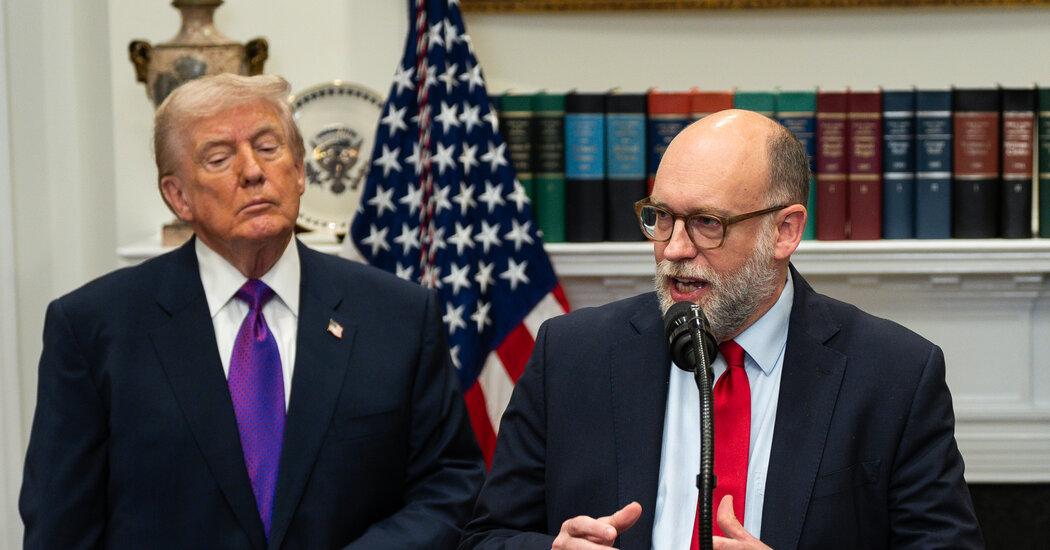
Trump directed Russ Vought to draft executive order creating a board to veto NIH grants. Board would decide which NIH grants to fund, giving the administration control over science funding.
Whether it is censorship or administrative oversight.
8 of 10 outlets skipped it: vought says NIH funding is backed by 'woke' initiatives.
10outlets compared
Same story, two versions
tap a side to read it in full
The Guardian
“marking another attempt by the Trump administration to censor topics that do not align with the president’s agenda.”Read the original ↗
Reuters
“Trump has directed his budget director, Russ Vought, to draft an executive order to create a board that would decide which grants would be funded by the National Institutes of Health (NIH)”Read the original ↗
The Guardian frames the board as censorship, while Reuters frames it as grant-deciding procedure.
Drafting a veto board
President Donald Trump directed Russ Vought to draft an executive order that would create a board to decide which grants the National Institutes of Health (NIH) funds, Politico reported and Reuters said it was citing two administration officials familiar with the meeting. RThe proposed board would include NIH Director Jay Bhattacharya and Vought, and the board would be required to reach unanimous decisions on grant awards.
Vought’s criticism of the NIH for funding “woke” initiatives that conflicted with Trump’s political priorities centered on the Oval Office meeting on Friday, according to the Guardian’s account of the discussion. TThe board would be an external committee that could veto awards in biomedical research that do not align with Trump’s goals, and the plan would break with the NIH’s traditional process of evaluating proposals on scientific merit.
Bhattacharya resists
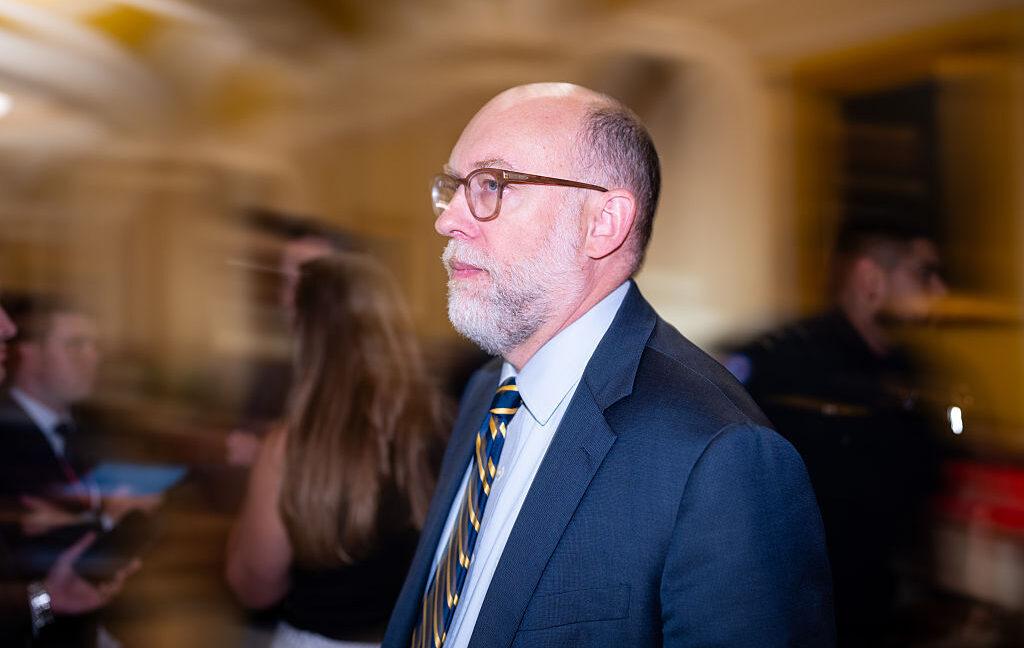
NIH Director Jay Bhattacharya opposed OMB Director Russell Vought’s push to give political appointees the final say over all federal spending, including health and scientific research, the Inquirer reported.
NIH spokesperson Joshua Pradko said, “NIH remains committed to its mission of funding biomedical research to benefit the health of the American people,” and Pradko also said, “There will be no rescissions to NIH grant monies. All NIH grant monies will be spent.”

Bhattacharya resisted cuts to federal research spending and defended the NIH’s grant-making process on Friday, while Vought expressed a desire to reshape federal spending.
Trump repeatedly complained about the administration’s failure to bring Harvard University in particular to heel during the meeting, and the White House had lost a pair of lawsuits to Harvard, including one ruling that blocked cuts to the university’s existing federal research grants.
What is at stake
The reported executive order would mark another attempt by the Trump administration to censor topics that do not align with the president’s agenda, and the board would be described as an external mechanism for approving NIH grant funding. “What the first amendment does not allow is the government’s use of its funding power to target or silence the expression of disfavored viewpoints within the biomedical research community,” tied the dispute to constitutional claims.
A class-action lawsuit was filed in California district court by the American Civil Liberties Union on behalf of scientists alleging that the NIH was unconstitutionally censoring scientific research. The administration’s earlier executive order on its first day back in office ended all administration programs involving “diversity, equity and inclusion,” and the effects included NIH studies investigating “health disparities.”