
Donald Trump Says No Tolls in Strait of Hormuz for 60 Days Unless Imposed by USA
Key Takeaways
- No tolls for passage through the Strait of Hormuz during the 60-day ceasefire.
- Tolls could be imposed later by the United States if Iran peace deal not completed.
- Any tolls, if imposed, would be US-imposed rather than Iranian-charged.
Tolls Threatened, Talks Loom
President Donald Trump said on Truth Social that there will be “NO TOLLS” in the Strait of Hormuz during a 60-day ceasefire window and that “there will be NO tolls after the 60 day period has expired” unless imposed by and for the United States of America.
“United States President Donald Trump has pledged there will be no tolls for passage through the Strait of Hormuz, unless they are collected by his own country”
The dispute comes as U.S. and Iranian officials give differing accounts of who controls the strategic oil corridor, with Vice President JD Vance telling “Fox & Friends Weekend” that “That’s now happened,” referring to opening the strait.
Iran’s Khatam al-Anbiya Central Headquarters said in a statement reported by IRIB that it would close the corridor again, citing “ongoing Israeli strikes in Lebanon,” while U.S. Central Command disputed the claim.
Representatives from both countries are set to hold an initial round of technical-level talks in Switzerland starting Sunday, with the U.S. delegation including Vance, special envoy Steve Witkoff, and Jared Kushner.
Competing Claims and Quotes
Iran’s joint military command announced it intended to close the corridor again due to ongoing Israeli strikes in Lebanon, and it said, “It hereby announces that the Strait of Hormuz will be closed to the passage of vessels,” according to the statement reported by IRIB.
U.S. Central Command rejected the closure claim, with CENTCOM spokesperson Captain Tim Hawkins telling Axios, “Iran does not control the Strait of Hormuz,” and adding that “shipping is ongoing, and U.S. forces are monitoring the situation to ensure its continuation.”

Trump’s position that Iran will not be allowed to charge fees during or after the 60-day window was framed by Newsweek as a justification for U.S. tolls if negotiations collapse.
Al Jazeera described the Saturday post as “the latest sign that a recently signed memorandum of understanding (MOU) may be unravelling,” while also noting that under the Wednesday ceasefire memorandum “the strait is supposed to reopen for an interim period of 60 days.”
What’s at Stake Next
The immediate stakes are whether the 60-day toll-free arrangement holds, because Trump wrote that there will be “NO TOLLS” during the ceasefire period and that future tolls would be tied to whether “the deal not be completed.”
The Al Jazeera account says the memorandum paused fighting on all fronts, including in Lebanon, but warned that the memorandum “was not intended as a long-term deal” and serves as a launching point for negotiations on the future of Iran’s nuclear programme.
For shipping operations, the dispute has already produced conflicting claims of closure and continued movement, with Al Jazeera stating CENTCOM “maintained that the traffic continues to flow through the waterway” even after Iran’s joint military command said it had closed the strait.
In parallel, the Hill reported that the U.S. and Iran are set for technical-level talks in Switzerland starting Sunday, with the interim framework giving a 60-day window for the U.S. and Iran to hammer out terms on Tehran’s nuclear program.
More on Iran

Iran Closes Strait of Hormuz After Israeli Strikes on Lebanon Ahead of U.S.-Iran Talks in Switzerland
12 sources compared
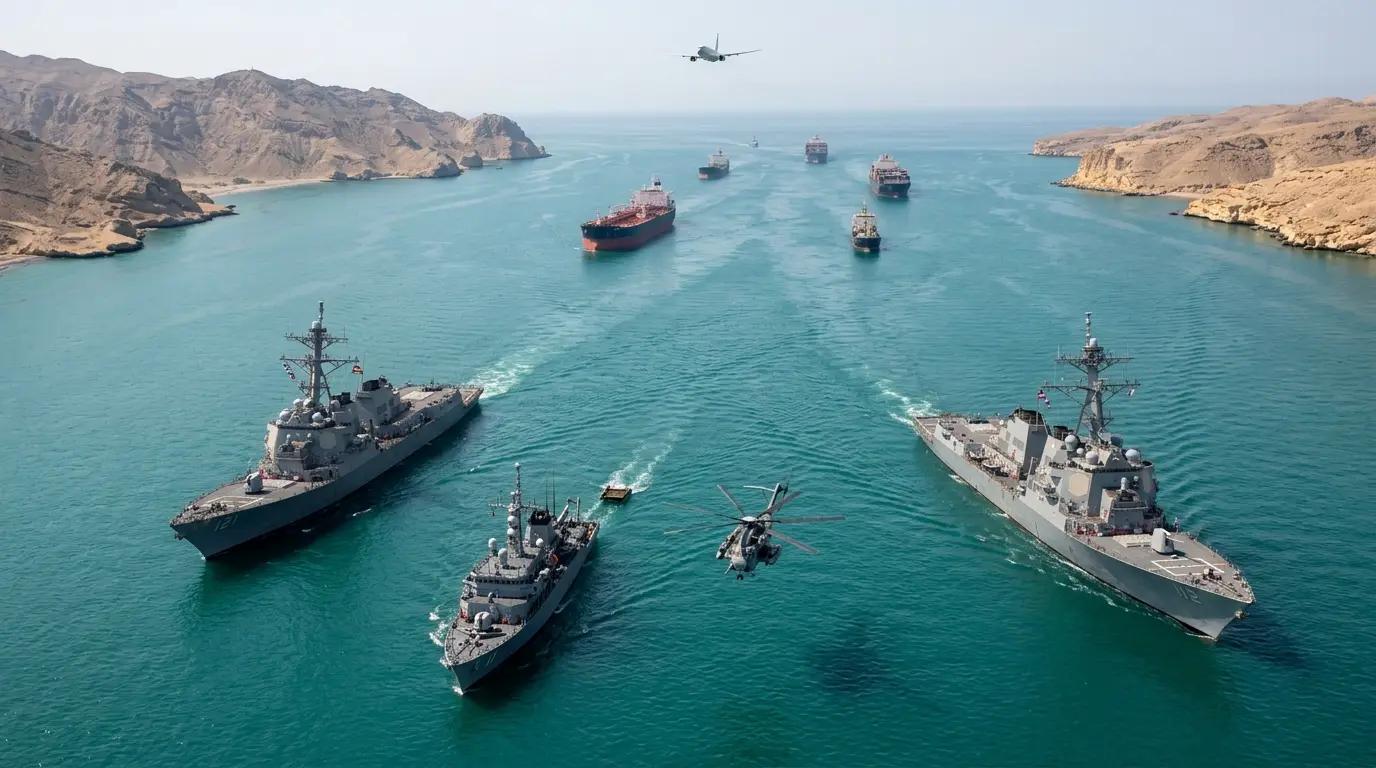
Iran Closes Strait of Hormuz After Israeli Attacks in Lebanon, Trump Threatens US Tolls
10 sources compared
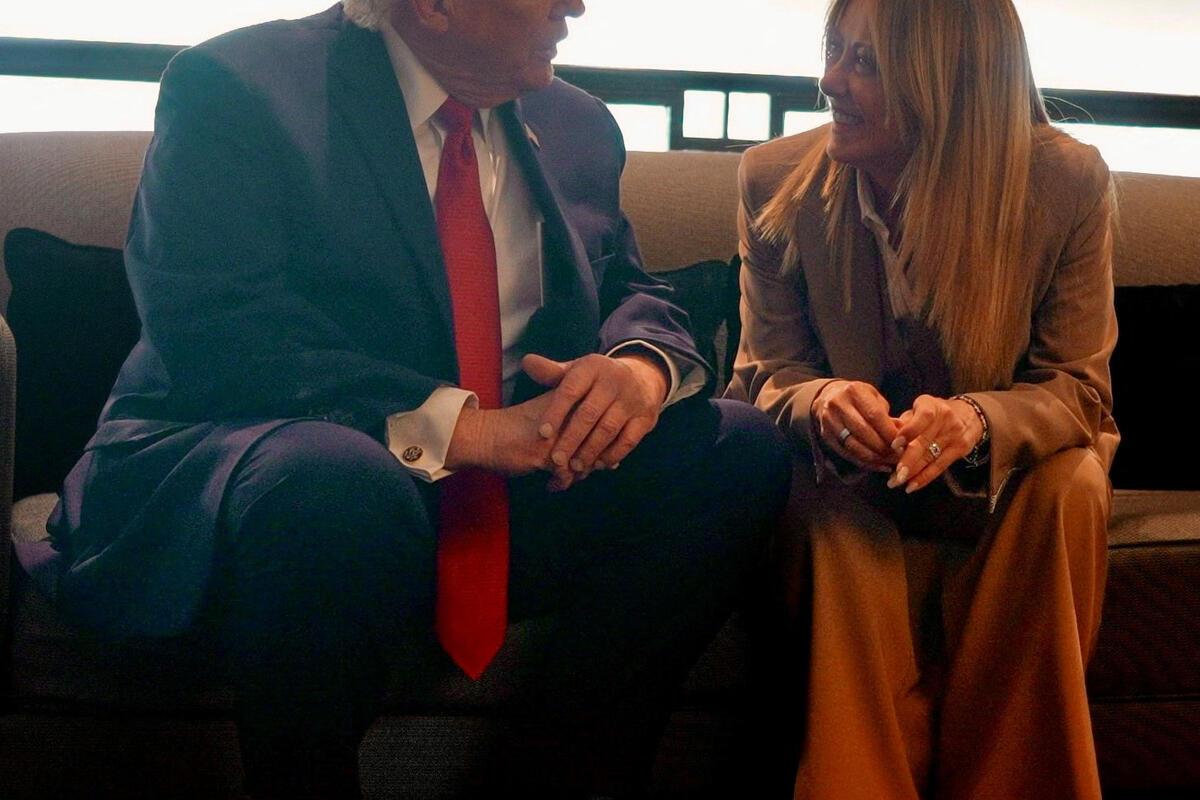
Trump Escalates Feud With Italy’s Giorgia Meloni Over Disputed G7 Photo Claim
13 sources compared

Pakistan Says US-Iran Talks Begin Sunday In Switzerland After Tehran Closes Strait Of Hormuz
13 sources compared