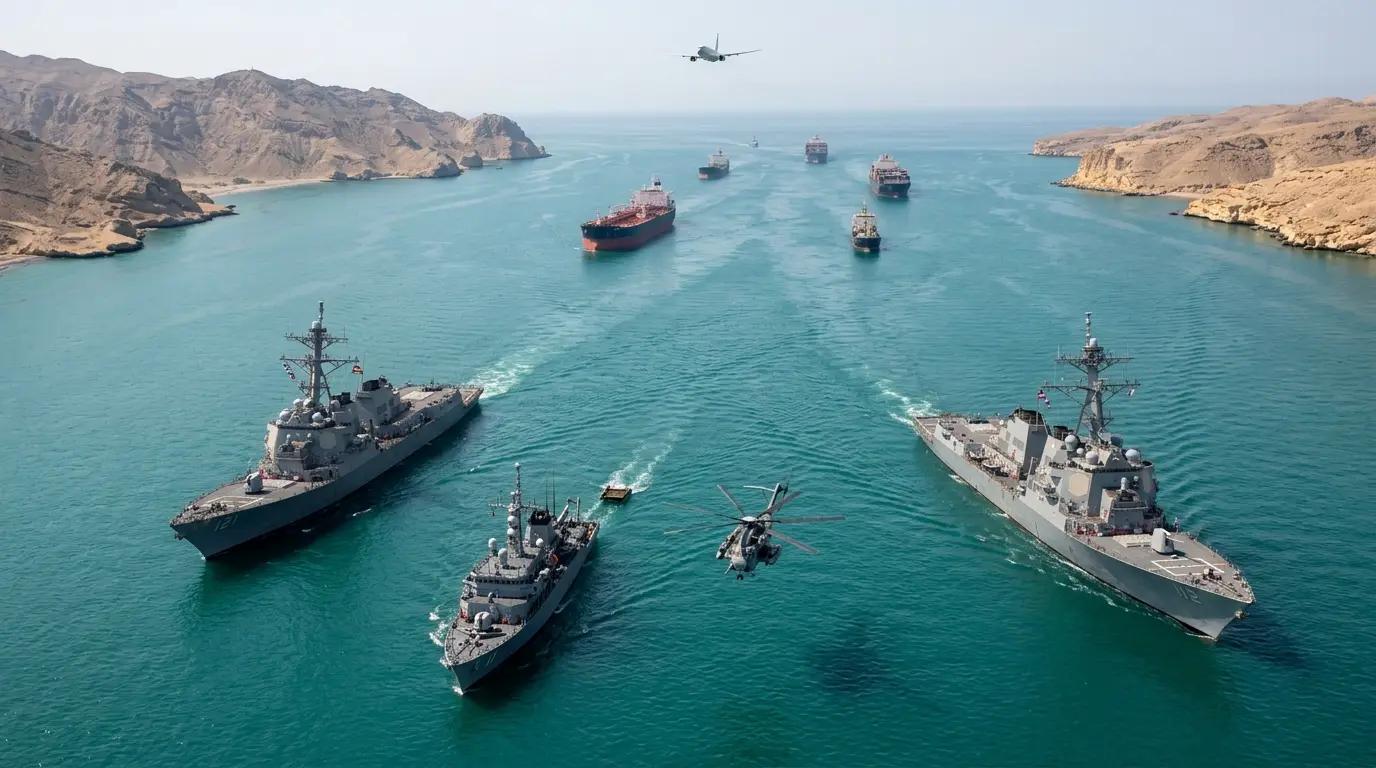
Iran Closes Strait of Hormuz After Israeli Attacks in Lebanon, Trump Threatens US Tolls
Key Takeaways
- Iran says Strait of Hormuz is closed due to Israeli strikes in Lebanon
- U.S. denies Iran closure claim; talks with Tehran set for Switzerland under interim deal
- Trump threatens tolls on Strait of Hormuz if a final Iran deal not reached
Hormuz closure before talks
Iran said it would close the Strait of Hormuz in response to Israeli attacks in Lebanon, warning that the move was the “first step” after what it described as breaches of commitments by the U.S. and Israel.
US Central Command denied Iran’s claim, saying “Safe passage through the international waterway remained intact today as 55 merchant ships transited,” while President Donald Trump threatened to impose US tolls if a final deal is not reached within 60 days.

The dispute unfolded as Vice President JD Vance departed for Switzerland, where talks were set to be held in the Swiss mountain resort of Bürgenstock, with Iran’s delegation led by Mohammad Bagher Ghalibaf.
The interim agreement was described as a 60-day ceasefire and a negotiating period, with the BBC reporting that the 14-point deal signed earlier this week “appears fragile” as the parties prepared for the next stage.
In parallel, CNN reported that Iran’s delegation warned talks would not advance without first addressing Lebanon, with an Iranian official telling CNN that Lebanon was the number one issue for the delegation.
Trump tolls and US denials
Trump insisted on Truth Social that there would be “NO TOLLS in the Hormuz Strait for 60 days during the cease fire period,” and he added that there would be “NO TOLLS after the 60 day period has expired” unless imposed by and for the United States.
In response to Iran’s announcement, the BBC said the US denied the claim, reporting that “Traffic continues to flow, and U.S. forces are monitoring the situation to ensure this remains the case.”
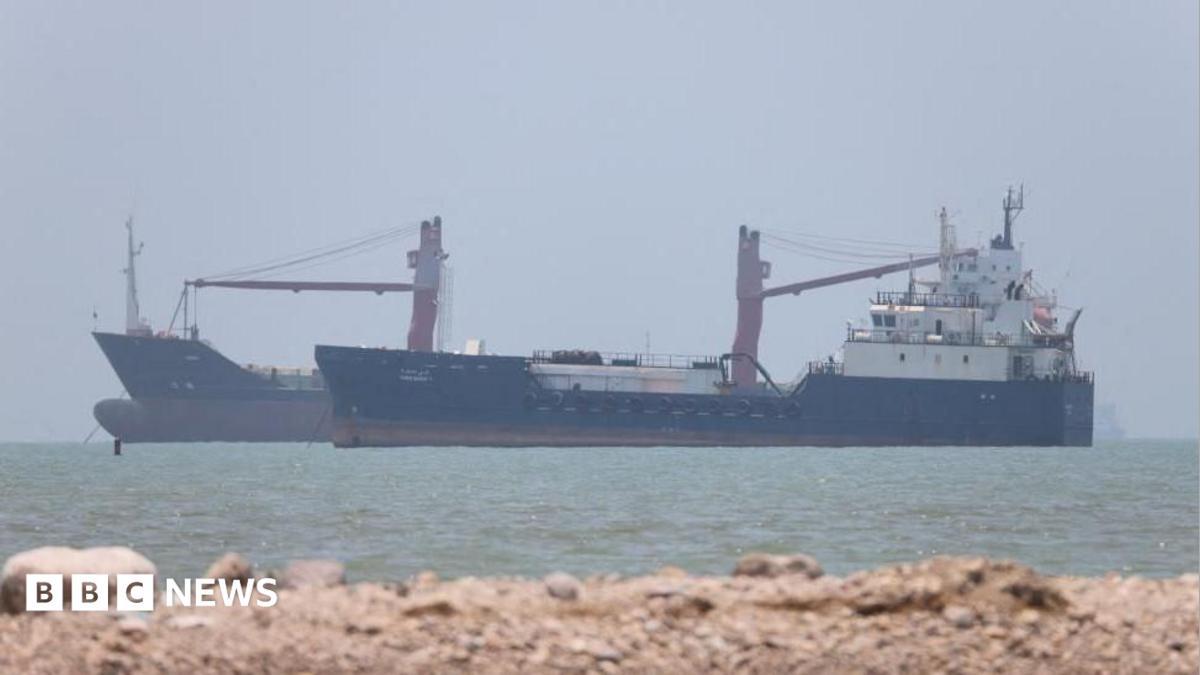
NBC News reported that Iran’s Islamic Revolutionary Guard Corps Navy warned ships not to approach the waterway and said vessels’ safety would be at risk if they did so.
The Guardian framed the stakes around the interim peace deal signed just days earlier, saying Iran’s closure “threatens to derail the fragile interim peace deal with the US.”
As the diplomatic process moved toward Switzerland, the Guardian reported that Pakistan said the talks would go ahead and that reports from Tehran suggested a delegation of top officials had left Iran to participate.
What’s at risk next
The dispute over the strait and Lebanon fed into uncertainty about whether the U.S.-Iran talks could progress, with CNN saying the next stage of talks would likely center on Iran’s nuclear program and that the sides agreed to wait on deciding what to do with Tehran’s stockpile of enriched nuclear material.
“• Strait of Hormuz: Iran said it is closing the vital waterway in response to renewed Israeli strikes in Lebanon”
NBC News reported that the continued military bombardment has “threatened to derail the fragile U.S. peace talks with Iran,” while it also described Hezbollah accusing Israel of making false claims to justify attacks in an effort to “sabotage the agreement” between Iran and the U.S.
The Guardian added that the interim agreement calls for a cessation of hostilities on all fronts, including Lebanon, and it cited Israeli strikes on southern Lebanon on Saturday that killed at least 16 people despite reports of a renewed ceasefire.
In the background of the negotiations, the Guardian said the interim agreement was meant to turn the current deal into a more detailed one covering Iran’s nuclear programme, with the strait described as a key challenge to the new deal.
Al Jazeera’s analysis warned that “Overplaying Strait of Hormuz card will turn Iran into a pariah state,” arguing that using the chokepoint as leverage could transform deterrence into extortion and reshape Iran’s international standing.
More on Iran

Iran Closes Strait of Hormuz After Israeli Strikes on Lebanon Ahead of U.S.-Iran Talks in Switzerland
12 sources compared

Donald Trump Says No Tolls in Strait of Hormuz for 60 Days Unless Imposed by USA
10 sources compared
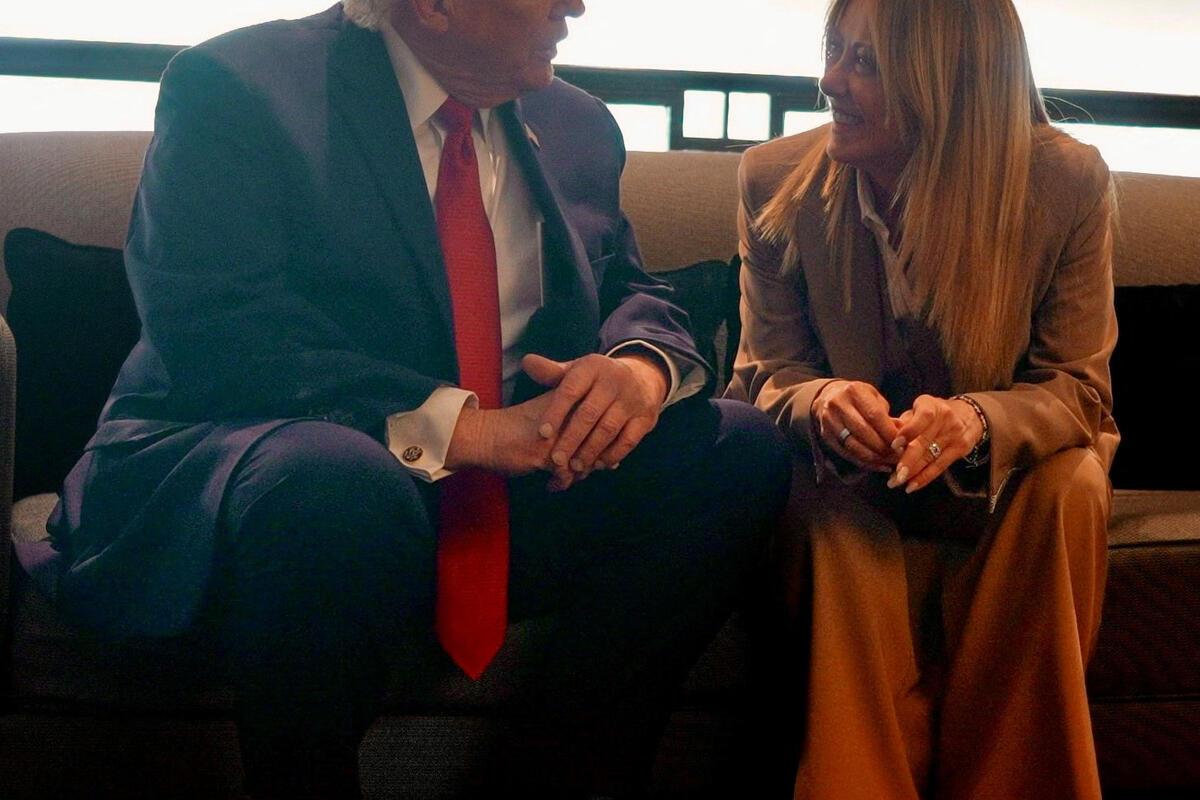
Trump Escalates Feud With Italy’s Giorgia Meloni Over Disputed G7 Photo Claim
13 sources compared

Pakistan Says US-Iran Talks Begin Sunday In Switzerland After Tehran Closes Strait Of Hormuz
13 sources compared