USA · 26 July, 2026 · 3 min read
Trump Gives U.S.-Iran Talks Some Space as U.S. Pauses Strikes for Second Straight Day
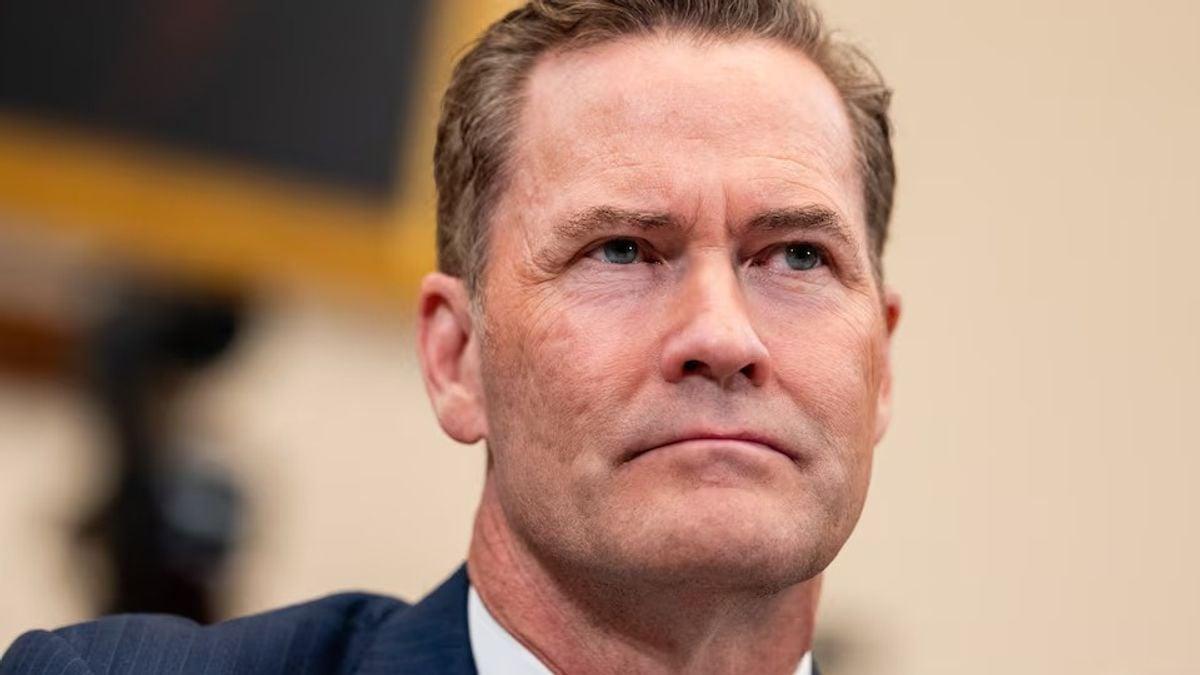
U.S. paused airstrikes on Iran for a second straight day. Mike Waltz says Trump gave Iran talks a limited window.
Whether the Strait of Hormuz is effectively closed / traffic impacts.
2 of 3 outlets skipped it: pentagon updated Iran-war casualty database adding wounded and restoring deaths..
AP News was read line by line by the Watchdog: 4.0. See the score →
23outlets compared
Same story, two versions
tap a side to read it in full
CNN
“Iran and Oman held talks about controlling the strait, according to the Iranian Foreign Ministry”Read the original ↗
CBS and CNN lean on different official framings of Hormuz and retaliation.
Pause, talks, and readiness
President Donald Trump is giving U.S.-Iran diplomacy “some space,” United Nations Ambassador Mike Waltz said Sunday as the U.S. paused strikes for a second straight day. CBS News reported that more than 400 U.S. service members have been flown out of the Middle East for various types of treatment since Operation Epic Fury began, with a U.S. official saying most cases were not combat-related. CCBS News also said the Iranian military halted retaliatory attacks against U.S. allies in the Middle East after Washington paused its strikes on Iran for the last two nights.C
In the Strait of Hormuz, CBS News reported that Iran’s Revolutionary Guard turned back six ships after warning shots, with a state television correspondent saying, "Last night, six vessels that attempted to transit through a route other than the designated one were stopped by the IRGC Navy with warning shots and turned back." CThe BBC meanwhile framed the pause as a window for negotiations, saying the U.S. ambassador to the United Nations said Trump paused attacks to give diplomacy a chance.

Waltz’s line vs Trump’s images
Waltz told NBC’s “Meet the Press” that the U.S. military “has everything that it needs to conduct this campaign as effectively as it needs to be,” while also warning that those leaking information about depleted munitions “deserve to be in jail.”
MS NOW reported that hours after Waltz’s remarks, Trump posted images to social media depicting the U.S. attacking Iran, including AI-generated images on Truth Social showing strikes on Kharg Island.
The Washington Post said Waltz’s comments came as the U.S. military paused its bombing raids on Iran over the weekend after 13 consecutive days of heavy strikes.
The Guardian reported that when asked on NBC’s Meet the Press whether Trump was ruling out additional strikes in Iran, Waltz said: “I wouldn’t go that far at all. The president is keeping all options on the table.”
In parallel, the Guardian said Tehran would pause what it called “retaliatory” attacks against U.S. allies, with army spokesperson Mohammad Akraminia saying, "Our strategy has essentially been retaliatory, we have also halted our retaliatory operations."
Oil, casualties, and the off-ramp
As the pause continued, CNN said the Pentagon quietly changed its accounting for Iran war casualties, updating its database to add more than 140 wounded U.S. service members and restoring the record of four soldiers killed last weekend. CCNN also tied the conflict’s stakes to energy prices, saying oil fell over 5% on Sunday while gas prices ticked higher as the conflict impacts maritime traffic in the region. The AP reported that the U.S. military has paused its airstrikes on Iran after nearly two weeks of intensifying bombing, while diplomatic efforts pushed forward to avert a return to all-out war.
The AP quoted Michael Singh of the Washington Institute for Near East Policy saying, “If it turns into a multiday pause, that’ll be something significant,” and also said it was hard to know whether the pause was “an operational pause” or “a pause to allow for some kind of behind-the-scenes diplomacy?” In the Strait of Hormuz, the AP said Iran and Oman held several rounds of technical talks, and Iran’s Foreign Ministry spokesperson Esmail Baghaei confirmed that the Omani delegation left Tehran on Saturday afternoon while talks made progress and were continuing.