South Americaupdated 23m ago3 min read
Archive photoU.S. State Department Report Details $12.26 Billion From Venezuelan Oil Revenues
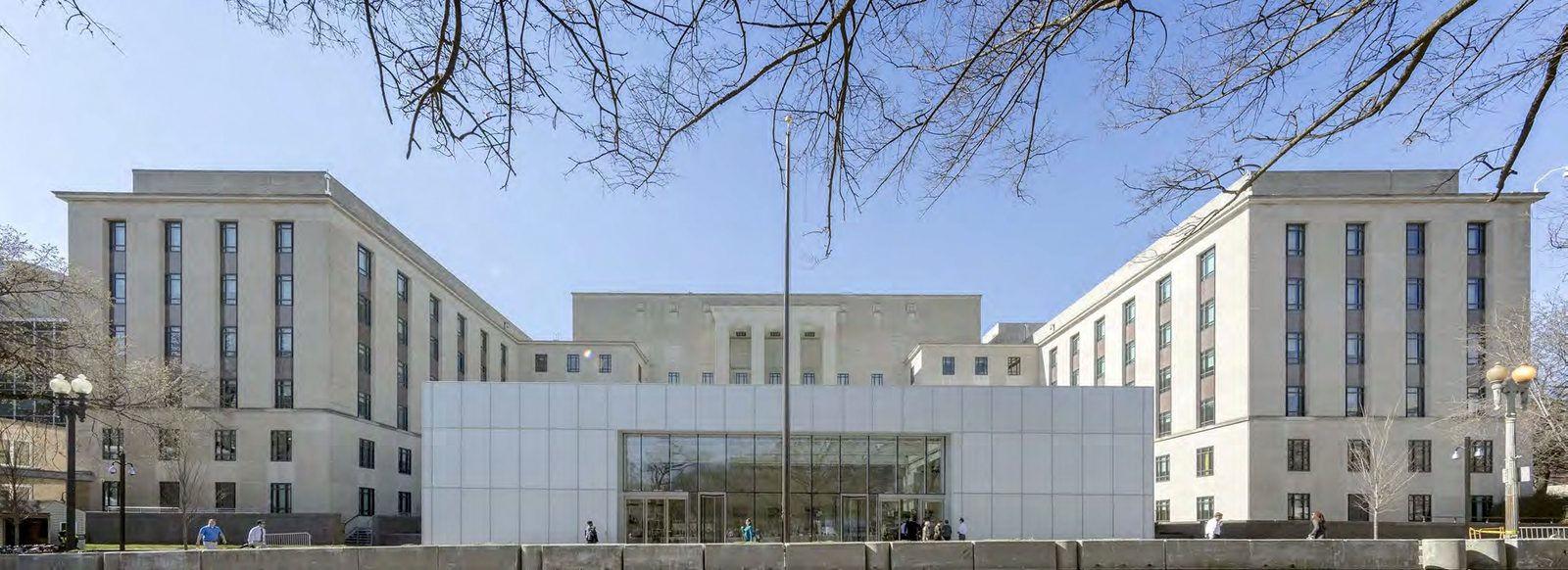
3 Latin American3 Other2 Local Western4 Other source typesPhoto: Carol M. Highsmith / US federal government, Public domain · Cropped for layout
This article is an automated aggregation of coverage from news outlets. Our editorials offer in-depth analysis curated by the NewsCord team.
More than $12.26 billion from Venezuela’s oil and resource sales moved through the Venezuela Custody Account between Jan 3 and Sep 30, 2026. About 99% of funds were disbursed to Venezuela’s interim government in Caracas, with roughly $168 million remaining in custody.
Save coverage image
Maduro seized, funds tracked
The United States Department of State released a report detailing what it says the US has done with more than $12bn in revenue from Venezuelan oil and mineral resources, nearly a year after it captured the country’s leader, Nicolas Maduro. The report covers flows into and out of US-controlled accounts between January 3, 2026 and September 30, 2026, and it described a mechanism that holds revenue in special bank accounts while it is distributed in a controlled manner. The report said the US took in more than $12.26bn from “verified and approved entities engaging in authorized activities” in Venezuela during that time, and it said oil accounted for nearly 99% of the funds.
“The report covers flows into and out of US-controlled accounts between January 3, 2026 and September 30, 2026.”
The report said more than $12bn of that revenue has been disbursed as of September 30, with some $169m remaining in the account, and it said the account was controlled directly by the US Department of the Treasury. The report said the US initially set up an account in the Qatar National Bank in January to take in funds from entities looking to buy authorised oil and other minerals from Venezuela, with approximately $500m initially deposited.
KPMG audit, escrow mechanics
The State Department report, prepared with the participation of the professional services firm KPMG, described a custody system in which buyers of Venezuelan oil pay into an escrow account managed by the U.S. Treasury and Venezuelan authorities request approval to draw the money out for infrastructure and humanitarian needs.
The Venezuela Custody account received $12.26 billion from 20 depositors and that $168.56 million remained in custody on Sept. 30, while it said 98.7% of the total was disbursed.
The report said gold sales added $108 million, minerals $22 million and fertilizer $24.6 million, and it said the mechanism also received deposits tied to transactions involving gold, minerals, and fertilisers.
The money “remains sovereign property of Venezuela” but is held pending disposition for public, governmental or diplomatic purposes as determined by Secretary of State Marco Rubio.
The report said the publicly released version withheld the identities of the 20 companies that bought the oil and gold, and it said the US vetted each purchaser for sanctions and money-laundering compliance.

Where the money went
The report said nearly all of the funds were returned to Venezuela in accordance with the terms of a broad energy agreement reached with the country’s interim authorities led by Delcy Rodríguez, and it said as of September 30 $168.6 million remained in a depository account held in escrow administered by the United States Department of the Treasury. The report said about $133 million were allocated to the direct payment of services or supplies needed by the Venezuelan government, including $5 million for the Miami-based law firm Greenberg Traurig, nearly $24 million for dialysis equipment and coal-mining equipment, and $8.7 million to settle vaccine procurement debts owed to the Pan-American Health Organization. The report said the majority of the more than $12.0 billion in oil revenues collected by the United States through September were handed over to people and companies in Venezuela through foreign exchange transactions with the country’s commercial banks.
The report said the Central Bank of Venezuela used most of the money to supply dollars to the economy, and it said $11.41 billion was channeled to auctions and electronic allocations to banks. The report said the Central Bank of Venezuela mixed the dollars under control with $346 million withdrawn from Venezuela’s reserves in the International Monetary Fund, and it said the report kept secret the identities of the 20 oil buyers and the recipients of the operations.