South Americaupdated 24m ago3 min read
MapLula and Delcy Rodríguez Agree to Fully Resume Brazil-Venezuela Relations at Highest Level
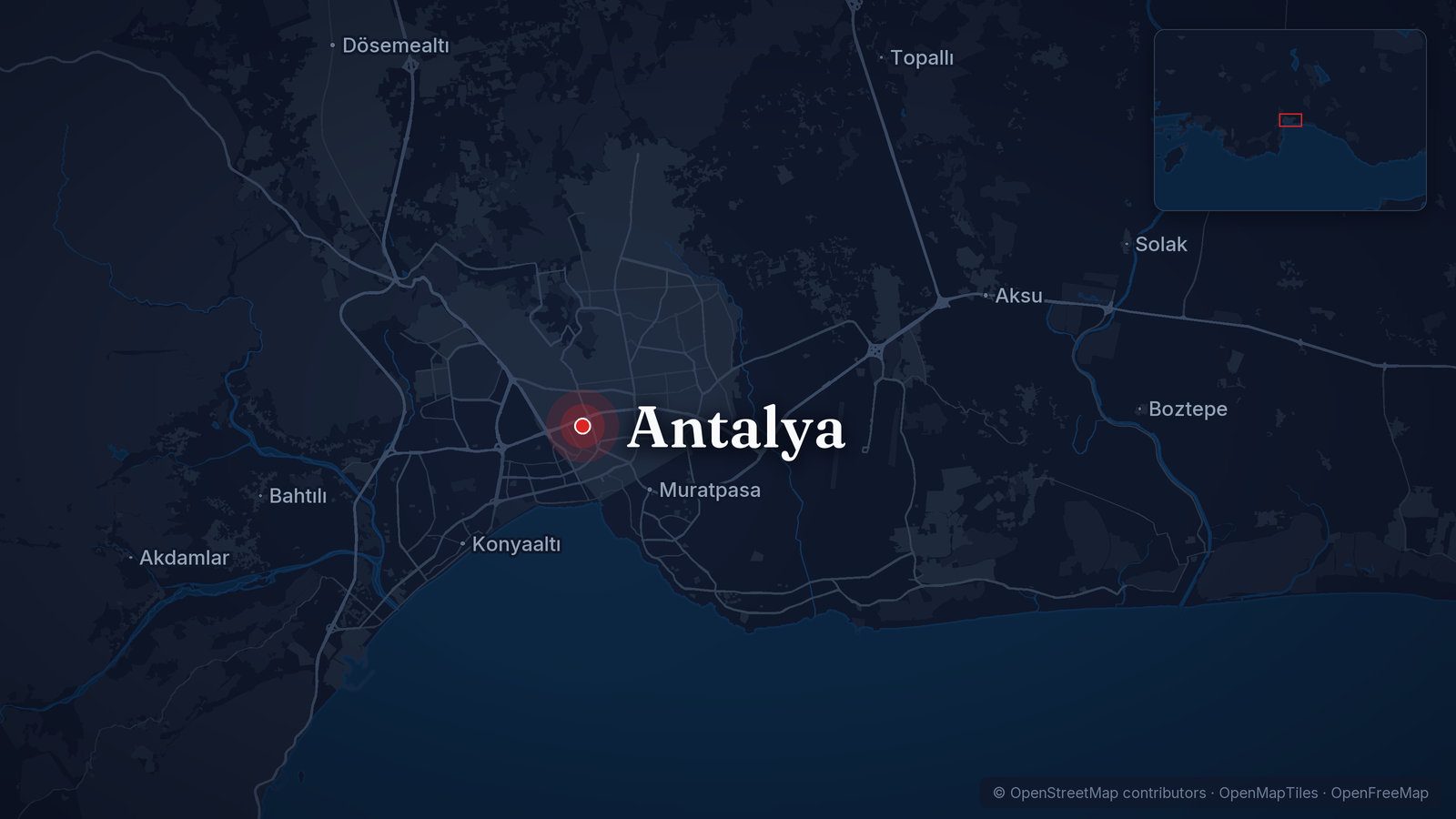
7 Other2 Latin American1 Western MainstreamMap: © OpenStreetMap contributors, ODbL · Cropped for layout
This article is an automated aggregation of coverage from news outlets. Our editorials offer in-depth analysis curated by the NewsCord team.
Lula and Delcy Rodríguez met at COP31 in Antalya to relaunch Brazil–Venezuela relations. They expressed willingness to resume ties at the highest level, with trade and oil cooperation.
Save coverage image
10 outlets in this story. Read their headlines below.
COP31 meeting in Antalya
Luiz Inácio Lula da Silva met Delcy Rodríguez in Antalya, Turkey, on the sidelines of COP31 and committed with her to relaunch the bilateral relationship “at the highest level,” according to the Brazilian government statement. The Brazilian government said the leaders expressed their willingness “to fully resume the bilateral relationship, at the highest level,” and they discussed expanding Brazilian investments in the Venezuelan oil sector. Lula and Rodríguez also agreed to a visit to Caracas by the Minister of Mines and Energy, Alexandre Silveira, before the end of the year, according to the text.
Delcy Rodríguez said in a Telegram message that they agreed to review trade agreements and explore “new opportunities to energize economic exchange, boost investments and deepen the bonds of friendship” between the two nations. The meeting marked their first meeting since Rodríguez took office as interim president, after Brazil never recognized Nicolás Maduro’s proclaimed victory amid fraud allegations following the July 2024 elections, according to the DW account.
Trade, ACE-69, and tariffs
Lula and Rodríguez agreed on Wednesday, November 11, to move toward the full restoration of bilateral relations at the highest level, with the aim of restoring political and economic dialogue, according to El Periodista.
Lula highlighted the recent Brazilian business missions to Venezuela and expressed his interest in deepening trade negotiations, especially regarding Economic Complementation Agreement No. 69 and the tariffs applied to cars manufactured in Brazil, according to El Periodista.
Rodríguez proposed that a Brazilian negotiating delegation travel to Caracas to address those matters and advance mechanisms to facilitate trade, according to El Periodista.
Finanzas Digital said Rodríguez called the meeting “fruitful,” and it said Lula specified two issues: continuing negotiations on the revision of Economic Complementation Agreement No. 69 and reviewing the tariffs Venezuela applies to Brazilian automobiles.
teleSUR quoted Lula saying, “I express our willingness to fully resume the bilateral relationship at the highest level,” and it said the leaders coordinated the official visit of Alexandre Silveira to Venezuela before the end of the current year.
Oil ties and political fallout
The sources linked the rapprochement to a period of diplomatic tensions tied to Venezuela’s electoral process of 2024, with El Periodista saying Lula demanded the publication of verifiable electoral results and refused to officially recognize Maduro’s proclaimed victory. El Periodista said the Antalya meeting aimed to leave behind differences and prioritize an agenda of economic and political cooperation, and it described a border of approximately 2,200 kilometers plus commercial, energy, and migratory links. Folha de S.Paulo framed the meeting as Lula meeting “the leader of the Venezuelan dictatorship, Delcy Rodríguez,” and it said the Brazilian government released a note saying the leaders met this Wednesday and expressed willingness to fully resume the bilateral relationship at the highest level.
Folha de S.Paulo also said Lula spoke briefly by phone with Delcy after the January 3 incident in Caracas involving Nicolás Maduro’s detention, which it described as the United States capturing Maduro. DW said Lula condemned Maduro’s and Cilia Flores’s detention in a U.S. military incursion on January 3 in Caracas as a “gravest affront” to Venezuelan sovereignty, while Rodríguez governed under strong pressure from the United States.