Donald Trump Tells Congress Iran Hostilities Have Terminated Ahead Of 60-Day War Powers Deadline
Key Takeaways
- Trump tells Congress hostilities with Iran have terminated.
- Deadline under War Powers Resolution reached, with Trump citing termination to avoid authorization.
- Ceasefire began April 7 and was extended, underpinning his termination claim.
Trump declares war over
President Donald Trump told U.S. Congress that hostilities with Iran have “terminated” as a 60-day war powers deadline approached, arguing that a ceasefire ended the conflict even while U.S. forces remained in the region.
“Treasury warns ships that pay toll to Iran could face US sanctions The Treasury Department's Office of Foreign Assets Control issued a warning to shippers on Friday that fulfilling any demand for an Iranian toll in exchange for passage through the Strait of Hormuz risks exposure to U”
In a letter to congressional leaders on Friday, Trump said, “The hostilities that began on February 28, 2026, have terminated,” and he also wrote, “There has been no exchange of fire between United States Forces and Iran since April 7, 2026,” according to USA TODAY.

CBC News reported Trump declared that a ceasefire had “terminated” hostilities against Iran and said, “The hostilities that began on February 28, 2026, have terminated,” in the letter.
The Washington Post described Trump’s claim that hostilities with Iran have “terminated” as he reached a legal deadline requiring military operations to halt unless lawmakers authorize force.
Politico said the letter, obtained by POLITICO, attempted to justify why Trump was not seeking congressional authorization after the conflict reached a 60-day threshold, and it quoted Trump writing, “There has been no exchange of fire between the United States and Iran since April 7, 2026.”
Multiple outlets tied the assertion to the War Powers Resolution of 1973, which CBC News said requires a president to halt military action after 60 days unless Congress authorizes force or grants a 30-day extension.
The dispute over whether the deadline applies centered on the administration’s position that the ceasefire “means the 60-day clock pauses, or stops,” as Defense Secretary Pete Hegseth said in testimony reported by Politico and as Hegseth said in CBC News: “We are in a ceasefire right now, which our understanding means the 60-day clock pauses or stops in a ceasefire.”
Ceasefire, blockade, and clock
The administration’s legal argument depended on a ceasefire timeline that multiple outlets described as beginning in April and being extended, while other reporting emphasized that the U.S. naval blockade of Iranian ports continued.
CBC News said Trump formally notified Congress of the conflict 48 hours after the first airstrikes two months ago, starting the 60-day clock that ends May 1, and it described the War Powers Resolution as allowing a president to act for only 60 days before ending it or seeking authorization or a 30-day extension.
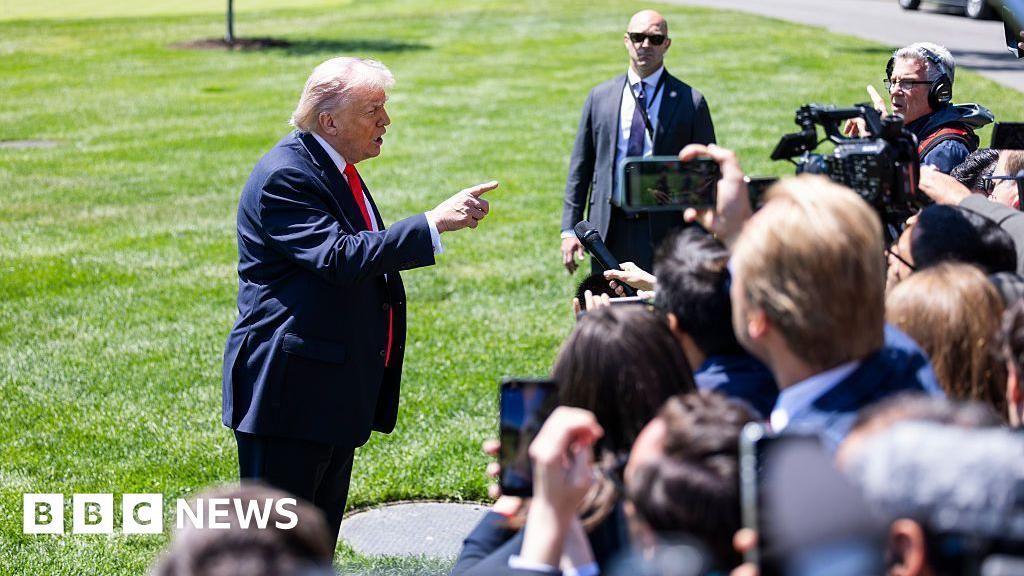
USA TODAY reported that Trump wrote in his May 1 letter, “On April 7, 2026, I ordered a 2-week ceasefire. The ceasefire has since been extended,” and it added, “There has been no exchange of fire between United States Forces and Iran since April 7, 2026.”
BBC News said a senior administration official argued that “For War Powers Resolution purposes, the hostilities that began on Saturday, February 28 have terminated,” and it noted that there had been “no exchange of fire between the US and Iran since 7 April.”
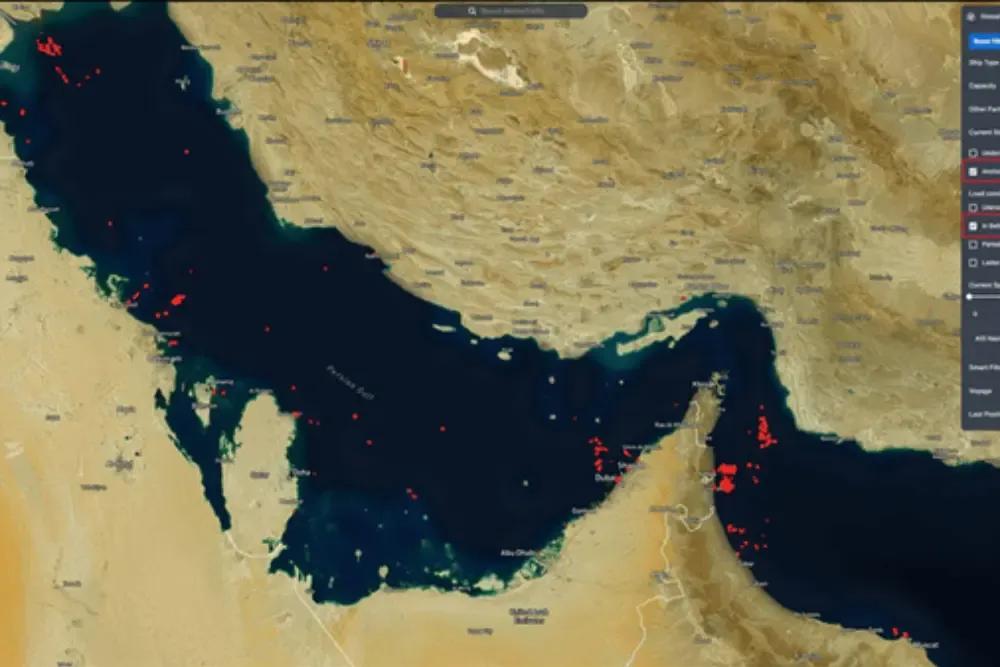
At the same time, ABC News reported that the U.S. naval blockade of Iranian ports “remains in effect,” and it said the shipping channel through the Strait of Hormuz remained at a “virtual standstill.”
ABC News also described a Treasury warning from the Office of Foreign Assets Control that “fulfilling any demand for an Iranian toll in exchange for passage through the Strait of Hormuz risks exposure to U.S. sanctions,” and it quoted OFAC’s alert: “These risks exist regardless of payment method.”
PBS and BBC both framed the core dispute as whether a ceasefire can stop the War Powers clock when the blockade continues, with BBC quoting Prof Heather Brandon-Smith saying, “Hostilities have not ceased. The US has instituted a blockade of Iranian ports. This is an act of war. This is hostility,” and PBS describing the White House assertion as “bold but legally questionable.”
Lawmakers and legal debate
As the deadline neared, Democrats and some Republicans argued that the War Powers requirement still applied and that the administration’s interpretation lacked legal support, while Trump and his allies insisted the ceasefire paused the clock.
“Trump repeats that he is 'not happy' with Iran as deadline to seek approval for war looms The Trump administration has argued that the clock is paused on a deadline to seek approval from Congress for the US-Israeli war with Iran even as questions about whether a deal is any closer remained unanswered on Friday”
CBC News reported that congressional Democrats said there was nothing in the 1973 law allowing for a ceasefire, and it quoted Senator Jeanne Shaheen of New Hampshire calling the deadline “a clear legal threshold” for Trump to act.
CBC News also included Trump’s own framing, quoting him saying, “We had a ceasefire, so that gives you additional time,” before leaving Washington for Florida, and it reported that he rejected an Iranian proposal sent to Pakistani mediators, as IRNA said Tehran had sent its latest proposal for negotiations.
In the Senate, BBC News described Defense Secretary Pete Hegseth saying, “We are in a ceasefire right now, which our understanding means the 60-day clock pauses or stops in a ceasefire,” and it quoted Democratic Senator Tim Kaine responding, “I do not believe the statute would support that. I think the 60 days runs maybe tomorrow, and it's going to pose a really important legal question for the administration there.”
KOMO and PBS both highlighted that House Speaker Mike Johnson argued the U.S. is “not at war” with Iran because there is no “active, kinetic military bombing, firing or anything like that,” while KOMO also reported that Kaine said Hegseth advanced “a very novel argument that I've never heard before” and “certainly has no legal support.”
USA TODAY and Politico both described cracks in Republican support, with USA TODAY reporting Sen. Susan Collins defected and voted with Democrats, and Politico quoting Collins saying, “That deadline is not a suggestion; it is a requirement.”
CBS News quoted Republican Sen. John Curtis of Utah saying he would “not support ongoing military action beyond a 60-day window without congressional approval,” and it quoted David Janovsky saying, “It's not a 30-day blank check for the president to continue whatever hostilities he sees fit.”
Different frames across outlets
While the central claim was consistent across outlets—that Trump said hostilities have “terminated”—the reporting diverged in emphasis, especially around what counts as “hostilities” and how the War Powers clock should be interpreted.
Politico framed the letter as an effort to “quelch the fight over the need for Congress to approve the conflict,” and it described a ceasefire that Trump said “effectively stops the clock,” while also noting “the continued military blockade of Iranian ports.”

CBC News foregrounded the legal mechanics of the War Powers Resolution, describing the 60-day clock and the 30-day extension for “unavoidable military necessity regarding the safety of United States Armed Forces,” and it reported that Trump said he considered the war powers law unconstitutional.
USA TODAY focused on the letter’s language and on Capitol Hill maneuvering, writing that the missive “didn't really mark an official end to the conflict, especially with troops still stationed in the Middle East,” and it highlighted Sen. Susan Collins’s vote and Pentagon chief Pete Hegseth’s attempt to convince senators the ceasefire paused the clock.
BBC News emphasized the evidentiary dispute, quoting Prof Heather Brandon-Smith that “Hostilities have not ceased,” and it also quoted Brandon-Smith saying “A ceasefire is not a permanent end to the conflict,” while also citing Elisa Ewers that “Implementing the U.S. blockade is not without risk, and itself is hostilities.”
PBS leaned into the constitutional framing, describing the letter as “bold but legally questionable” and saying it “effectively skirts a May 1 legal deadline,” while also quoting Trump’s letter that “the threat posed by Iran to the United States and our Armed Forces remains significant.”
Axios added a strategic lens, describing how the declaration “effectively resetting the clock” could make it harder for Congress to constrain action through a war powers resolution.
Next steps and risks
The reporting tied the immediate next steps to whether Congress would authorize continued military action or whether the administration would continue under its “terminated” interpretation, with multiple outlets describing stalled votes and ongoing economic and shipping impacts.
CBC News said congressional Democrats had tried repeatedly to pass war powers legislation that would force Trump to end the war or come to Congress for authorization, and it reported that Trump’s fellow Republicans had voted almost unanimously to block every resolution seeking to end the conflict.

It also reported that the Iran war “killed thousands, caused billions of dollars in damage and roiled world markets,” disrupting energy shipments and boosting a wide range of consumer prices, and it said polls show the war is unpopular among Americans six months before November elections.
CBS News described the War Powers Resolution timeline, saying the president must give formal notification within 48 hours of introducing American forces into hostilities and that Friday was the deadline, while it also said the law allows a 30-day extension for “prompt removal” of troops but “does not grant him authority to continue an offensive campaign.”
CBS News reported that ahead of the deadline, Trump administration officials were in “active conversations” with members of Congress about authorization, and it quoted White House spokeswoman Anna Kelly saying officials provided “over 30 bipartisan briefings” to keep members apprised.
The same CBS report said the fighting had been mostly paused since the U.S. and Iran agreed to a ceasefire on April 8, but it also noted that Republicans had blocked more than half a dozen Democratic war powers resolutions that would explicitly limit Trump’s ability to further strike Iran.
In the Senate, Axios reported that a war powers resolution aimed at forcing Trump to end—or seek authorization for—military action failed 47–50, with two Republicans, Sens. Susan Collins and Rand Paul, voting with Democrats.
More on Iran

Trump Administration Says Iran War ‘Terminated’ as War Powers Deadline Nears May 1
16 sources compared
U.S. Treasury Warns Shippers Not to Pay Iran Strait of Hormuz Tolls
11 sources compared

Iran Submits New Negotiations Proposal To US Via Pakistani Mediator
10 sources compared

Donald Trump Tells Congress U.S. Hostilities With Iran Have Terminated Ahead of War Powers Deadline
19 sources compared