Full story
Trump declares Iran war over
President Donald Trump told congressional leaders that U.S. hostilities with Iran have “terminated,” arguing that a ceasefire means he does not need to seek congressional approval under the 1973 War Powers Resolution as a 60-day deadline arrives.
“There has been no exchange of fire between the United States Forces and Iran since April 7, 2026. "The hostilities that began on February 28, 2026 have terminated."”
In a letter to Congress on Friday, Trump wrote: “There has been no exchange of fire between the United States Forces and Iran since April 7, 2026,” and added, “The hostilities that began on February 28, 2026 have terminated.”
The Washington Post framed the move as Trump reaching a legal deadline that requires military operations to halt unless lawmakers authorize force, while also noting that the United States continues to enforce a naval blockade of Iran and that Trump declined to rule out additional strikes.
The BBC similarly reported that Trump said the ceasefire agreed with Iran last month “had paused the clock on any such obligation,” and it quoted Trump’s letter to congressional leaders.
Multiple outlets tied the claim to the War Powers Resolution’s structure, including the requirement that a president must receive Congress’ approval within 60 days of notifying lawmakers of military action.
The Guardian reported that Trump’s letter was dated 1 May and said he ordered “a 2-week ceasefire” on April 7, 2026, which was then extended.
While Trump’s letters asserted the end of “hostilities,” the same reporting described an ongoing military posture, including continued blockade activity and the threat of escalation if talks fail.
War powers clock and ceasefire
The dispute centers on how the War Powers Resolution’s 60-day clock applies during a ceasefire, with Trump and senior defense officials arguing that the ceasefire “pauses or stops” the deadline.
The BBC explained that by law, a U.S. president must receive Congress’ approval within 60 days of notifying lawmakers of military action, or else cease hostilities, and it said Trump argued the ceasefire “had paused the clock on any such obligation.”
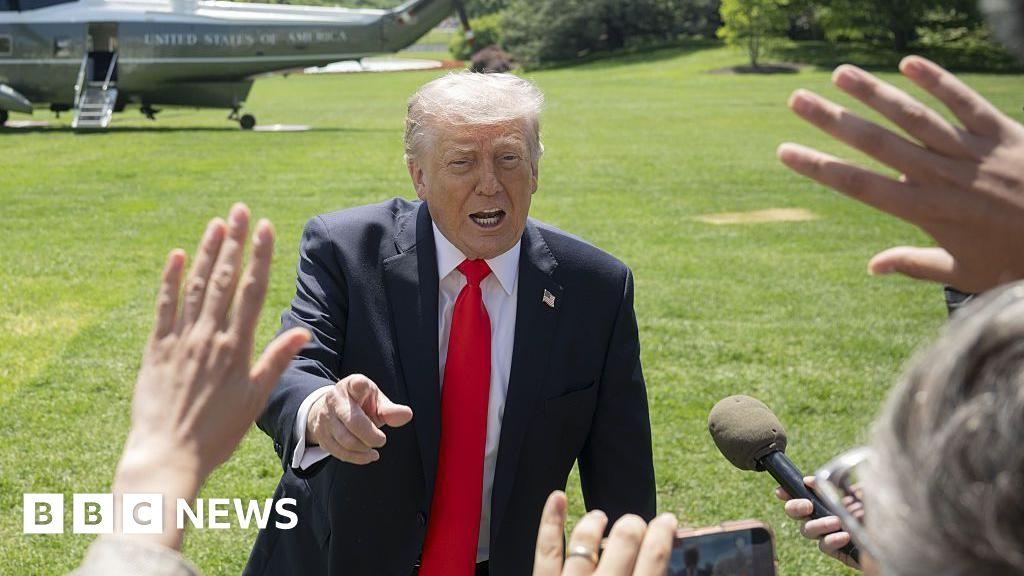
CBC News reported that Trump formally notified Congress of the conflict 48 hours after the first airstrikes two months ago, starting the 60-day clock that ends May 1, and it quoted Trump’s letter: “The hostilities that began on February 28, 2026 have terminated.”
The Guardian described the legal framing in more detail, saying Trump’s letter “effectively waves off the 1 May legal deadline” and that he told reporters he had no intention of seeking congressional approval because “it’s never been sought before” and suggested the War Powers Act was “totally unconstitutional.”
Defense Secretary Pete Hegseth’s testimony became a focal point, with the BBC reporting that Hegseth argued before a congressional hearing on Thursday that the clock had paused on the deadline to seek legislators’ approval, and it quoted Democratic Senator Tim Kaine’s response: “I do not believe the statute would support that.”
Professor Heather Brandon-Smith of Georgetown University Law said that even if a ceasefire was legally in effect, “it would not stop the clock,” adding, “A ceasefire is not a permanent end to the conflict.”
Across outlets, the key question was whether “hostilities” can be considered ended while U.S. forces remain deployed and the blockade continues, with Democrats pointing to the continued presence of ships and the Strait of Hormuz being “closed.”
Negotiations, blockade, and sanctions
While Trump’s letters asserted that there had been “no exchange of fire” since April 7, 2026, the reporting described parallel efforts to negotiate and continued pressure measures.
“any individual or company that pays Iran a "toll" for passage through the Strait of Hormuz”
The BBC said Iranian media reported a new proposal from Tehran sent via Pakistan on Friday, and it noted that the news agency IRNA did not publish details and it was unclear if the proposal reached the U.S.
The BBC also reported that the Trump administration’s position was accompanied by a U.S. Treasury notice warning that any individual or company that pays Iran a “toll” for passage through the Strait of Hormuz was at risk of violating U.S. sanctions, and it said the key shipping channel is still effectively closed.
CBC News similarly described the ceasefire as “shaky” and said the U.S. continued to deploy ships blockading Iranian oil exports, which Democrats said was evidence of continuing hostility rather than a ceasefire.
The Guardian reported that Jeanne Shaheen said Trump’s declaration “doesn’t reflect the reality that tens of thousands of US service members in the region are still in harm’s way,” and it added that the “strait of Hormuz remains closed and prices are skyrocketing at home.”
The Washington Post and Axios both emphasized that Trump did not rule out additional military action, with the Washington Post saying he declined to rule out additional strikes and Axios noting that Trump “did not rule out future military action.”
The Times of India and Politico also described Trump’s pessimism about reaching an agreement, including Politico’s report that Trump told reporters he had given Iran “a final proposal” and said, “I’m not sure they’ll ever get there.”
Reactions from Democrats and GOP
Reactions in Congress and among legal advocates reflected a sharp divide over whether Trump’s interpretation of the War Powers Resolution is constitutional and whether the conflict is truly over.
The Guardian quoted Senator Chuck Schumer calling the claim “That’s bullshit” on X, while also reporting that Jeanne Shaheen said Trump’s declaration “doesn’t reflect the reality that tens of thousands of US service members in the region are still in harm’s way.”

The Guardian also reported that the ACLU sent a letter to the White House expressing “profound concern” that the president was “carrying out an illegal war,” and it quoted the ACLU’s view that “there is no pause button – and certainly no reset button – under the statute.”
The BBC reported that Democratic-led attempts in both chambers to constrain Trump in the case of Iran have repeatedly failed, and it quoted Democratic Senator Tim Kaine’s response to Hegseth’s argument that the clock pauses or stops in a ceasefire: “I do not believe the statute would support that.”
CBC News described Democrats dismissing Trump’s characterization, saying there was nothing in the 1973 law allowing for a ceasefire, and it quoted Senator Jeanne Shaheen of New Hampshire calling the deadline “a clear legal threshold.”
On the Republican side, the BBC said most Republicans opposed Democratic efforts, though some indicated they might reconsider after the 60-day mark, and it reported that Trump told reporters “no other country has ever done it” when asked about seeking authorization.
The AP described Senator John Thune saying he did not plan on a vote to authorize force, while also quoting Senator Susan Collins saying the 60-day deadline is “not a suggestion, it is a requirement,” and Todd Young saying lawmakers “must ensure that the people… weigh in.”
What happens next and why it matters
The immediate consequence of Trump’s “terminated” declaration is that the administration is signaling it will not seek congressional authorization, even as lawmakers and legal groups argue the War Powers Resolution requires action.
“It requires a president to end the use of those forces unless Congress makes a formal declaration of war or allows the president an extension, up to 30 days in length, for the "prompt removal" of troops.”
The BBC said lawmakers faced mounting questions about whether they intend to schedule a vote in each chamber to decide whether the war should receive formal authorisation, and it described the 1973 War Powers Resolution’s requirement that a president end the use of forces unless Congress makes a formal declaration of war or allows an extension up to 30 days for “prompt removal” of troops.

CBC News reported that the Senate rejected a Democratic attempt to halt the war for a sixth time, and it described the continuing blockade and the possibility that if fighting resumes Trump could tell lawmakers he has started a new 60-day clock.
The Guardian said Trump’s letter made clear that the operation was “very much ongoing,” and it quoted Trump stating, “the threat posed by Iran to the United States and our Armed Forces remains significant,” while adding that the Pentagon would continue to “update its force posture” across the region.
The CBS News report said the 60-day clock reached its deadline on Friday and described a growing number of Republican lawmakers saying the administration should begin winding down the Iran campaign, while others said they were working on legislation to authorize force that would bypass the War Powers Resolution debate.
The Washington Post and AP both emphasized that the White House’s position effectively skirts the May 1 deadline, with AP describing it as a “bold but legally questionable assertion of presidential power” and noting that Congress made no attempt at enforcing the requirement.
Looking ahead, the stakes described by the outlets included the risk to U.S. service members, the economic impacts of the Strait of Hormuz being closed, and political pressure ahead of November elections that will determine who controls Congress next year.