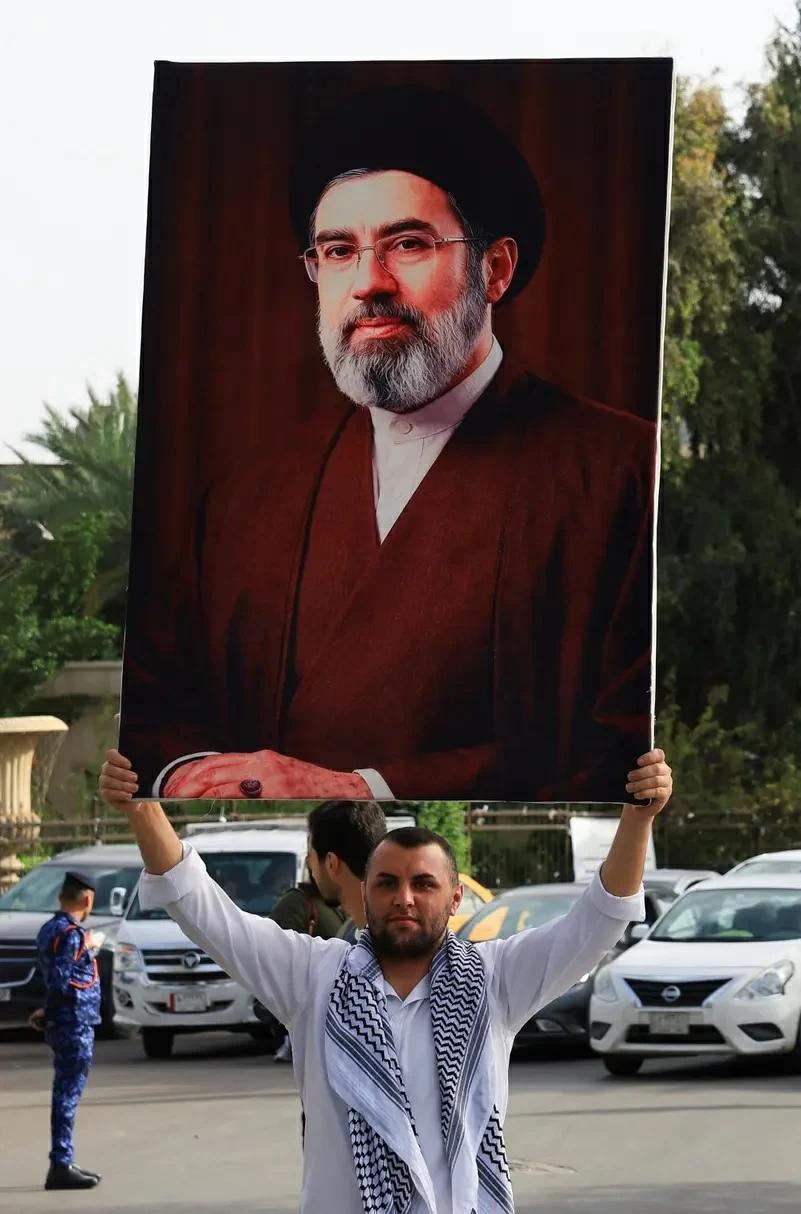
Iran · 03 May, 2026 · 6 min read
Iran Officials Say Supreme Leader Mojtaba Khamenei Is Stable, Dismissing Health Rumors
Khamenei is in complete good health and continues leading state affairs Officials reject health rumors as Western manipulation and misinformation
Khamenei’s escape from the bombed building (and whether it was minutes-before courtyard).
11 of 12 outlets skipped it: speculation of a full power-shift and collective leadership structure (with Revolutionary Guards likely expanding dominance) discussed by Western mainstream reporting..
14outlets compared
Same story, two versions
tap a side to read it in full
TTimes of India
“"He was in that very building that was bombed, where others were martyred. Just minutes before the explosion, by God's will he had gone into the courtyard."”Read the original ↗
DDW
“Three sources close to Khamenei's inner circle told Reuters that he remains in recovery from severe injuries to his face and leg sustained in the airstrike that killed his father at the start of the war.”Read the original ↗
Iranian-leaning coverage frames survival as divinely preserved escape moments before impact; Western reporting frames the same event as causing severe injuries requiring recovery—changing expectations about incapacitation risk.
Health Rumours, Denied
Iran’s leadership has moved to quash a wave of speculation about the health of Supreme Leader Mojtaba Khamenei, with multiple Iranian officials insisting he is stable and continuing to oversee state affairs.
“Mohsen Qomi, deputy for international affairs at the Office of the Supreme Leader, said Khamenei remains actively involved in decision-making and the management of state affairs”
Ayatollah Mohsen Qomi, described as deputy for international affairs at the Office of the Supreme Leader, dismissed negative reports about Khamenei’s condition as “rumors spread by hostile forces,” saying they are aimed at “creating uncertainty, provoking reactions, and advancing their agendas.”

The same line appeared across outlets: The Sunday Guardian reported Qomi called the claims “a ‘trick used by the enemy’ to provoke reactions and spread misinformation,” while Xinhua said Qomi described the reports as “rumors spread by hostile forces.”
Xinhua also reported that Khamenei “remains actively involved in decision-making and the management of state affairs,” citing Tasnim News Agency.
The Sunday Guardian added that Qomi stressed Khamenei is in “perfect health” and “actively managing national affairs,” and that Iranian officials urged people not to believe “unverified claims circulating on social media.”
In parallel, Global Times, citing Tasnim, said Khamenei remains in “complete good health” and continues to carry out his duties normally.
While Iranian officials pushed back on the rumours, the reporting also pointed to an earlier disruption: Xinhua said Khamenei became Iran’s supreme leader in early March after being elected by the Assembly of Experts, succeeding his father Ali Khamenei, who was killed in a U.S.-Israeli strike in Tehran on Feb. 28.
The Building and the Courtyard
Iranian officials also tied the health dispute to a specific account of the Feb. 28 airstrikes that killed Ali Khamenei, saying Mojtaba Khamenei was present in the building that was later bombed but survived by leaving moments before the explosion.
WION reported Ayatollah Mohsen Qomi insisted that Khamenei was in the bombed building and said, “Just minutes before the explosion, by God's will he had gone into the courtyard, which ultimately led to his survival.”
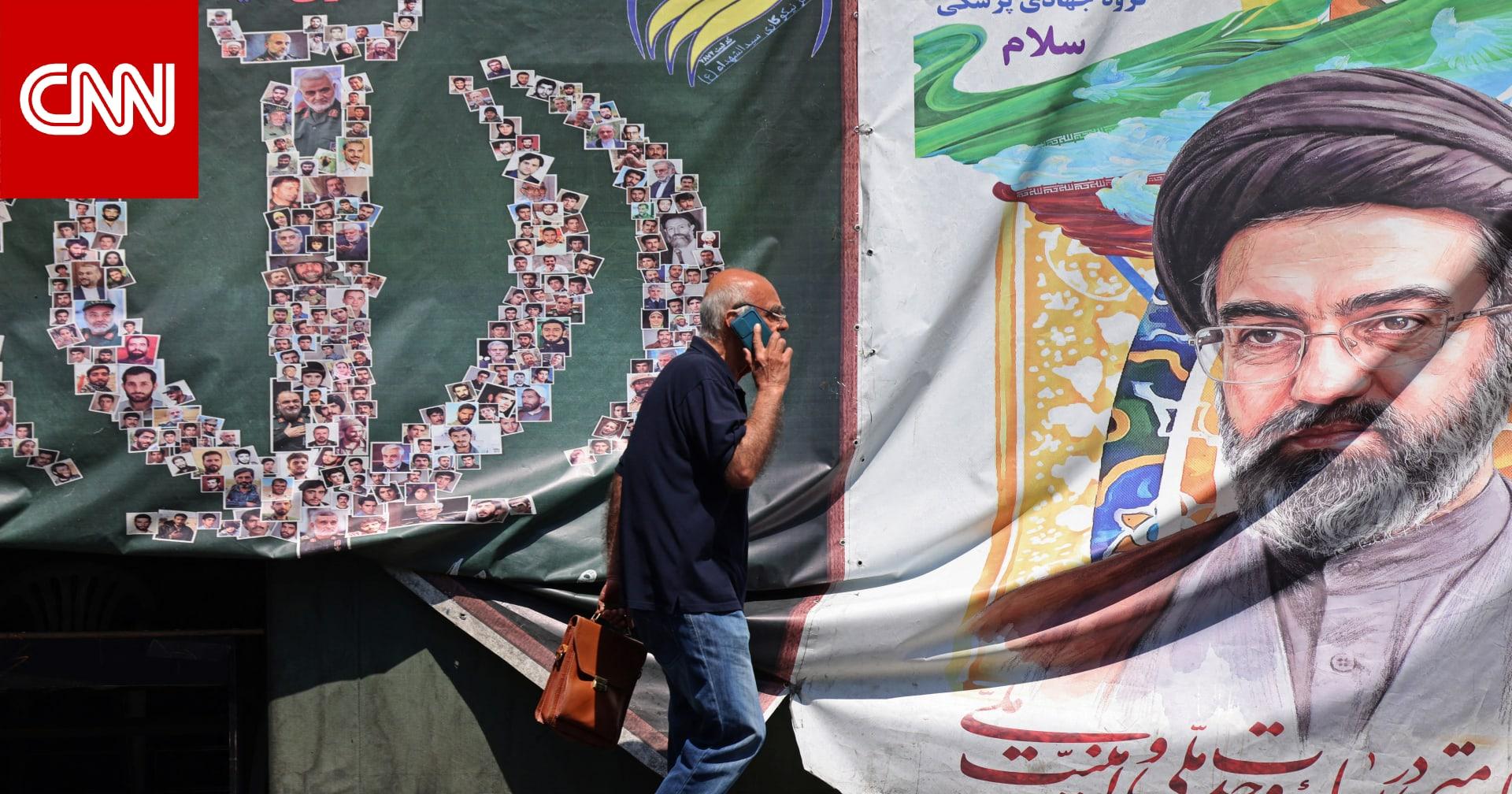
WION quoted Qomi saying, “He was in that very building that was bombed, where others were martyred. Just minutes before the explosion, by God's will he had gone into the courtyard. God wanted him to be preserved,” and added that Qomi said, “Currently, he is in perfect health and is actively managing affairs.”
Mint similarly described Qomi’s account, saying Mojtaba Khamenei was inside the same building where others lost their lives but “had stepped into the courtyard just minutes before the explosion,” which Qomi described as “an act of God that spared him.”
The Statesman echoed the same narrative, quoting Qomi that “He was in that very building that was bombed, where others were martyred. Just minutes before the explosion, by God’s will, he had gone into the courtyard. God wanted him to be preserved.”
Across these reports, Iranian officials also framed the absence from public view as part of a security and information-control posture rather than evidence of incapacity.
Even as Iranian officials emphasized survival and continued command, the reporting acknowledged that Khamenei had “yet to make a public appearance,” according to Xinhua.
“Trick Used by the Enemy”
Iranian officials did not only deny injury claims; they also argued that the rumours were being used to provoke responses from Tehran and to extract information about Khamenei’s location.
“This is a trick used by the enemy, who wants to say, 'Why is he not present? Why doesn't he send an audio or video message? Why don't the people who have visited him come forward and speak?'”
Qomi’s quoted explanation repeatedly centered on why the leader was not appearing publicly and why visitors were not speaking, with multiple outlets carrying the same language.
The Times of India quoted Qomi saying, “Some people ask about the health status of His Eminence the Leader, Ayatollah Sayyid Mojtaba Khamenei. TThis is a trick used by the enemy, who wants to say, 'Why is he not present? Why doesn't he send an audio or video message? Why don't the people who have visited him come forward and speak?'”
It continued with Qomi adding, “They want to use these questions to force us into reacting, so they can achieve their goals,” and WION and NDTV carried the same “trick used by the enemy” framing.
NDTV’s report similarly quoted Qomi’s argument that the West used such tactics to elicit reaction and engage in rumour-mongering, and it included Qomi’s statement that “Right now, the most important issue for us is to help preserve the life of His Eminence the Leader.”
In addition to Qomi, the Iranian state apparatus also offered an official comment through Mohsen Rezaei, a member of the Expediency Discernment Council, who told reporters that rumours aim to push the leader or close associates to respond or appear publicly.
The report in عكاظ said Rezaei warned that doing so could contribute to revealing his location for security reasons, and it described the context as “sensitive circumstances and the ongoing war.”
Competing Claims and Unverified Reports
While Iranian officials insisted Mojtaba Khamenei was in “perfect health” and “actively managing affairs,” other reporting described a far more severe picture, citing unnamed sources and intelligence memos that were not independently verified.
Euronews reported that The Times said a memo circulated among Gulf-region allies and that the memo “states that Khamenei is unconscious and suffering from a serious health condition, preventing him from participating in decision-making processes,” while also noting “this information has not yet been independently verified.”
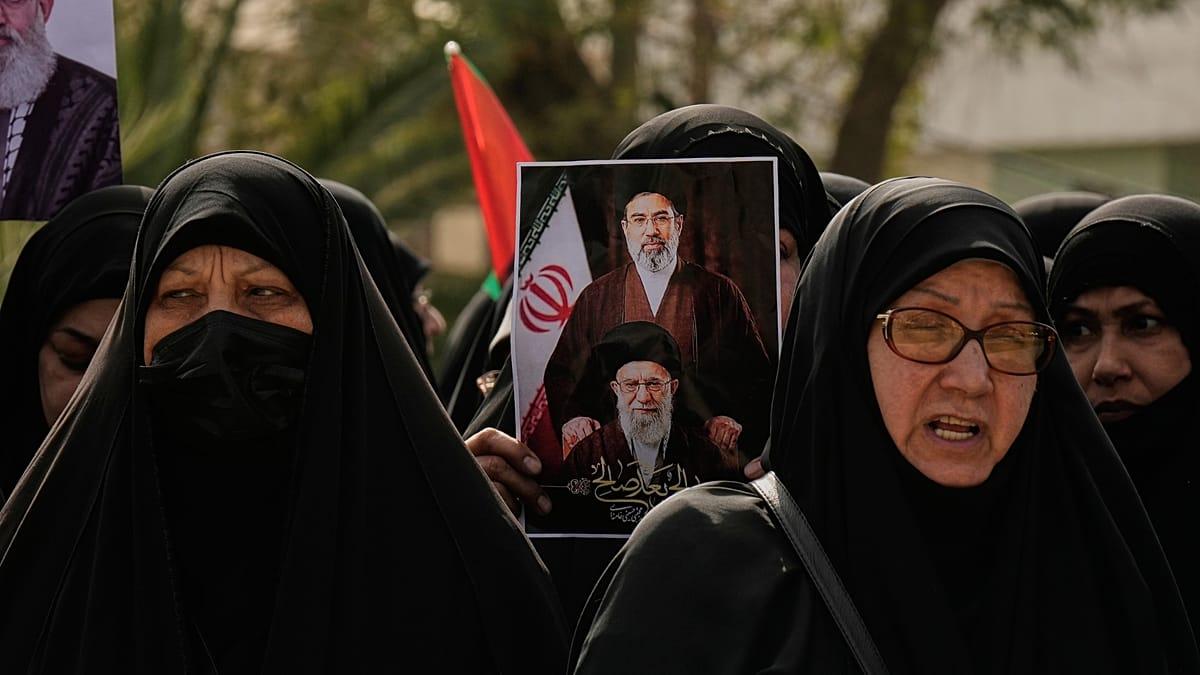
Euronews also described ambiguity around his ability to govern and said reports claimed he was receiving treatment in the city of Qom.
DW, citing Reuters, said “Three sources close to Khamenei's inner circle told Reuters that he remains in recovery from severe injuries to his face and leg sustained in the airstrike that killed his father,” and DW added that the sources said his face was disfigured and he suffered serious injuries to one leg or both.
DW also said Reuters “has not independently verified the accuracy of these accounts,” and it described a belief from an American intelligence assessment that Khamenei “has lost one of his legs.”
In a separate account, عكاظ said Reuters, citing sources close to the inner circle, reported that Khamenei’s face was disfigured and that he suffered serious injuries to one leg or both, adding that sources said the 56-year-old man was recovering and still had “high mental acuity.”
The same set of reports also pointed to the absence of official Iranian medical disclosure, with DW saying “No official Iranian statement has been issued about the extent of Khamenei's injuries,” and Euronews describing how Tehran’s official media resorted to airing AI-generated images and videos.
Decision-Making, Negotiations, and Stakes
The dispute over Mojtaba Khamenei’s health has been presented in the reporting as directly tied to who is running Iran’s decision-making and how negotiations and wartime operations proceed.
“He oversees matters related to negotiations and field operations with his direct supervision”
Iranian officials said he continues to oversee negotiations and field operations, with WION quoting Qomi that “He oversees matters related to negotiations and field operations with his direct supervision,” and that “He has full command over the situation.”
Mint and The Statesman similarly reported Qomi saying, “He has full command over the situation,” and that “He oversees matters related to negotiations and field operations with his direct supervision.”
Xinhua added that Qomi said Khamenei “remains actively involved in decision-making and the management of state affairs,” and it also said Khamenei had issued several statements since taking office but had “yet to make a public appearance.”
By contrast, Euronews described the memo narrative as implying a breakdown in his ability to participate in decision-making, saying the memo states he is “unconscious” and “preventing him from participating in decision-making processes.”
DW also discussed the possibility of a shift from individual charisma to institutional control, saying the “center of gravity in decision-making has shifted” and that “the security and military apparatus now the actual driving force behind the country's affairs.”
Beyond internal governance, the reporting tied the health uncertainty to broader geopolitical pressure, including U.S. actions on Iranian ports and the Strait of Hormuz, with Trump quoted on the blockade and oil price figures cited in Mint.