
Iran Submits New Negotiations Proposal To US Via Pakistani Mediator
Key Takeaways
- Iran transmitted its latest negotiation proposal to the United States via Pakistani mediators.
- Pakistan's mediating role is the conduit for Tehran's plan to Washington.
- Trump rejected the proposal, saying he was not satisfied.
Tehran’s proposal via Pakistan
Iran has submitted a new proposal for negotiations with the United States through Pakistani mediation, with the text passed to Washington after Tehran delivered it to Pakistan late Thursday, according to Iranian state media and a Pakistani official.
“What you need to know - Iran has sent a new proposal for negotiations with the US to Pakistan, Iranian state media reported - However, US President Donald Trump said he's not satisfied with Iran's new proposal - A 60-day deadline for US congressional approval of the war runs out on Friday - US officials argue that the war has already ended because of the ceasefire with Iran - Trump says 'probably' will pull US troops from Spain and Italy over their opposition to the war Here is a selection of updates from or concerning the conflict between Iran, Israel and the US on May 1, 2026”
The Korea Times reported that Pakistan “had received the proposal late on Thursday and had forwarded it to the U.S.” while “Neither the official nor Iranian state news agency IRNA gave details.”
The same report framed the move as a potential opening to break a deadlock “in efforts to end the Iran war,” with Global oil prices easing after the news.
It also tied the diplomatic track to the ongoing maritime and energy pressure, saying “The closure of the Strait of Hormuz has caused unprecedented disruption to energy markets,” and that the blockade “choking off 20 percent of the world's oil and gas supplies” had driven prices higher earlier.
Reuters also described the ceasefire context, saying “A ceasefire has been in place since April 8,” even as the U.S. considered new military strikes to compel Iran to negotiate.
In parallel, PressTV said Iran delivered the text “Thursday night as a mediator in talks with the United States,” and described Tehran’s priorities as “the end of the war and sustainable peace.”
Türkiye Today added that Iranian state media confirmed Iran handed over “the text of its latest negotiation plan to Pakistan on Thursday evening, May 10,” while Axios correspondent Barak David separately confirmed Tehran delivered its response to U.S. amendments via the Pakistani channel.
Ceasefire, blockade, and deadlines
The proposal arrived against a backdrop of a fragile ceasefire and a continuing U.S. naval blockade of Iranian ports and shipping, with multiple outlets linking diplomacy to the Strait of Hormuz.
The Korea Times said “A ceasefire has been in place since April 8” but noted that reports Trump was to be briefed on “plans for new military strikes to compel Iran to negotiate” had pushed oil prices “up to a four-year high.”

It also reported that “The U.S. Navy is blocking exports of Iranian crude oil,” and that the blockade and Hormuz closure had raised “concerns that there will be an economic downturn.”
DW described the legal and political pressure in Washington, saying “A 60-day deadline for US congressional approval of the war runs out on Friday,” while also quoting Trump’s claim that hostilities had ended.
DW further stated that “there hasn’t been any change in the US military posture, with the US Navy continuing to enforce a blockade of Iranian ports and shipping,” and that “Tehran has maintained its stranglehold on the Strait of Hormuz.”
PressTV asserted that Iran’s Armed Forces responded to earlier escalation, saying Iran’s “Armed Forces responded with 100 waves of retaliatory strikes under Operation True Promise 4,” and it described the April 8 ceasefire as “a Pakistan-brokered temporary ceasefire.”
It then said Iran and the U.S. held “one round of intensive discussions in Islamabad on April 11” that ended after “21 hours” with no breakthrough, with Iran citing “Washington’s ‘excessive demands’ and insistence on unreasonable positions.”
Meanwhile, the Iranian Foreign Ministry spokesman Esmaeil Baghaei cautioned against expecting quick results, with the Korea Times reporting he “cautioned on Thursday against expecting quick results from talks.”
The Iranian framing of the maritime standoff also appeared in Iran International, where Ismail Baqai said the Strait of Hormuz is “a large part of Iran's territorial waters,” and that Iran’s actions there are “a responsible defensive measure in the face of American and Israeli military aggression.”
Trump rejects, Tehran hardens
While Iran’s proposal moved through Pakistan, Trump publicly rejected it and Iranian officials emphasized skepticism about diplomacy and the conditions for any talks.
“Iran has reportedly given a new proposal to Pakistan for negotiations with the United States, aiming to put an end to the US-Israeli war of aggression against the Islamic Republic”
DW reported that “Trump says he's not satisfied with Iran's new proposal,” quoting Trump: “They want to make a deal, I’m not satisfied with it, so we’ll see what happens,” and it added that Trump said negotiations have continued by phone after he canceled a planned trip by U.S. officials to Pakistan.
The Korea Times similarly said Trump was “unhappy with the previous proposal from Iran,” and it described Iranian responses to potential attacks, including a senior Iranian Revolutionary Guards official saying any new U.S. attack would usher in “long and painful strikes.”
The Korea Times also quoted Aerospace Force Commander Majid Mousavi saying: “We've seen what happened to your regional bases, we will see the same thing happen to your warships.”
In a separate Iranian account, Iran International quoted Ismail Baqai stressing “absolute lack of trust” in Washington and saying Tehran has “no plan for the next round of negotiations,” while also warning that “The stark contradiction between the statements of American officials and their actions has increased the Iranian people’s doubts about their intentions.”
Al Jazeera’s reporting on mediation described Tehran’s position as harder-line, quoting a Foreign Ministry spokesperson that “there is no current plan for a new round of negotiations,” and it linked any change to Washington’s behavior, including repercussions tied to the seizure of the tanker Tosca.
Middle East News framed the negotiation disagreement as Washington insisting on finalizing Tehran’s nuclear file while Tehran sought to postpone it until after the war is officially halted, and it said Trump rejected Iran’s proposal after officials in Tehran told him they were “economically collapsed” and wished to end sanctions and open the Strait of Hormuz, which the Iranians denied.
It also described Trump’s red line on the nuclear issue, stating “Convincing Tehran to abandon highly enriched uranium” is “Trump's main current objective,” and that he ordered preparations for a “long-term blockade on Iran.”
Mediation framework and sequencing
Pakistani mediation is described as seeking a phased de-escalation that would address the Hormuz Strait file first, then move toward broader negotiations that include security of navigation, the Iranian nuclear program, and sanctions.
Al Jazeera quoted Pakistan’s former ambassador to Germany and former spokesperson for the Foreign Ministry, Mohammad Abdul Basit, saying mediation aims “to stabilize a phased de-escalation that would pave the way for a broader agreement addressing the roots of the crisis.”
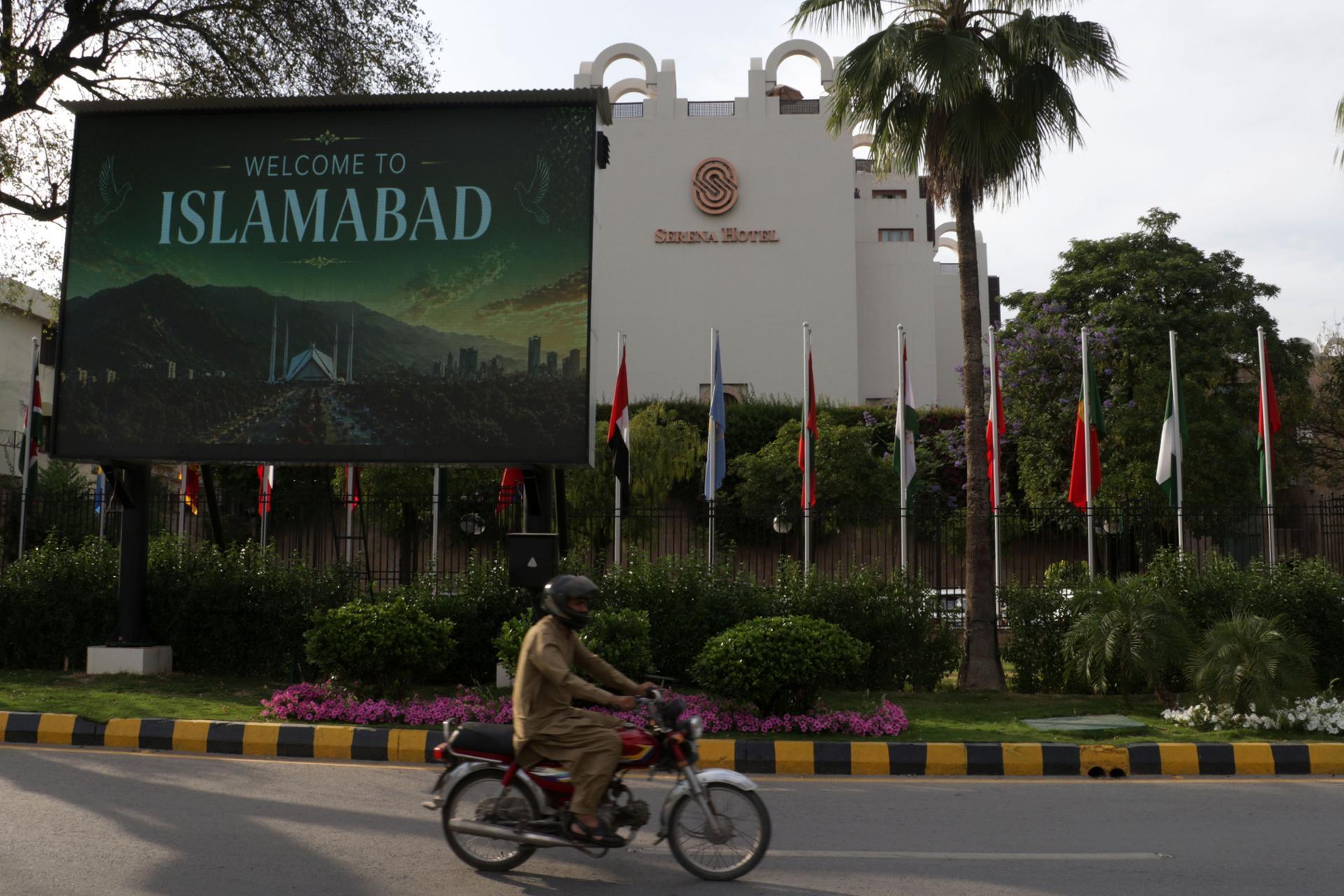
Basit said the first step is reopening the strait in exchange for lifting the blockade, describing it as “a practical entry point to reduce tension,” before extending the ceasefire “for an additional period that may extend up to two months.”
He also outlined a “framework agreement” that would start with “security of navigation in the Hormuz Strait,” then move to “the Iranian nuclear program and enrichment operations,” and then to “economic sanctions and frozen assets.”
Al Jazeera reported that Basit did not expect the “47-year crisis” to be solved in “one or two rounds,” and he said the realistic goal is “to establish a temporary de-escalation that allows the two sides to build trust gradually.”
The same Al Jazeera account described U.S. Vice President Mike Pence heading to Pakistan and the possibility of Trump participating if progress is achieved, while noting that Iranian media outlets denied sending any delegation so far.
The Korea Times, meanwhile, reported that Pakistan had not set a date for new talks on ending a war, saying “Pakistan has not set a date for new talks on ending a war,” and it described the U.S. deadline under the 1973 War Powers Resolution.
Türkiye Today added that Iranian Foreign Minister Abbas Araghchi held phone calls with counterparts from Saudi Arabia, Qatar, Türkiye, Iraq, and Azerbaijan on the latest “initiatives of the Islamic Republic to end the war,” according to a ministry statement.
روزنامه جهان صنعت described the timeline in Iranian calendar terms, saying the ceasefire after the “40-day Ramadan war” began on “9 Esfand 1404 (February 28, 2026)” with the assassination of Ayatollah Khamenei and was established on “19 Farvardin 1405 (April 7, 2026)” for two weeks, then extended indefinitely on “1 Ordibehesh 1405 (April 21, 2026)” by the President of the United States.
It also said negotiations took place on “22 Farvardin 1405 (April 11, 2026)” in Islamabad led by Mohammad Bagher Ghalibaf, Speaker of the Iranian Parliament, and the U.S. vice president, ending without reaching an agreement.
Stakes: energy, sanctions, and war risk
The sources portray high stakes for energy markets, sanctions pressure, and the risk of renewed hostilities, with the Strait of Hormuz and the U.S. blockade repeatedly presented as central leverage points.
“Iran transmitted a draft proposal to the United States through Pakistani mediators Thursday night, Iran Nuances reported on Friday”
The Korea Times said global oil prices remained sensitive, noting Brent crude futures for July “shed 0.4 percent to $109.96 a barrel” after the IRNA report but were still poised for a “4.5 percent gain over the week after hitting $126 a barrel on Thursday.”
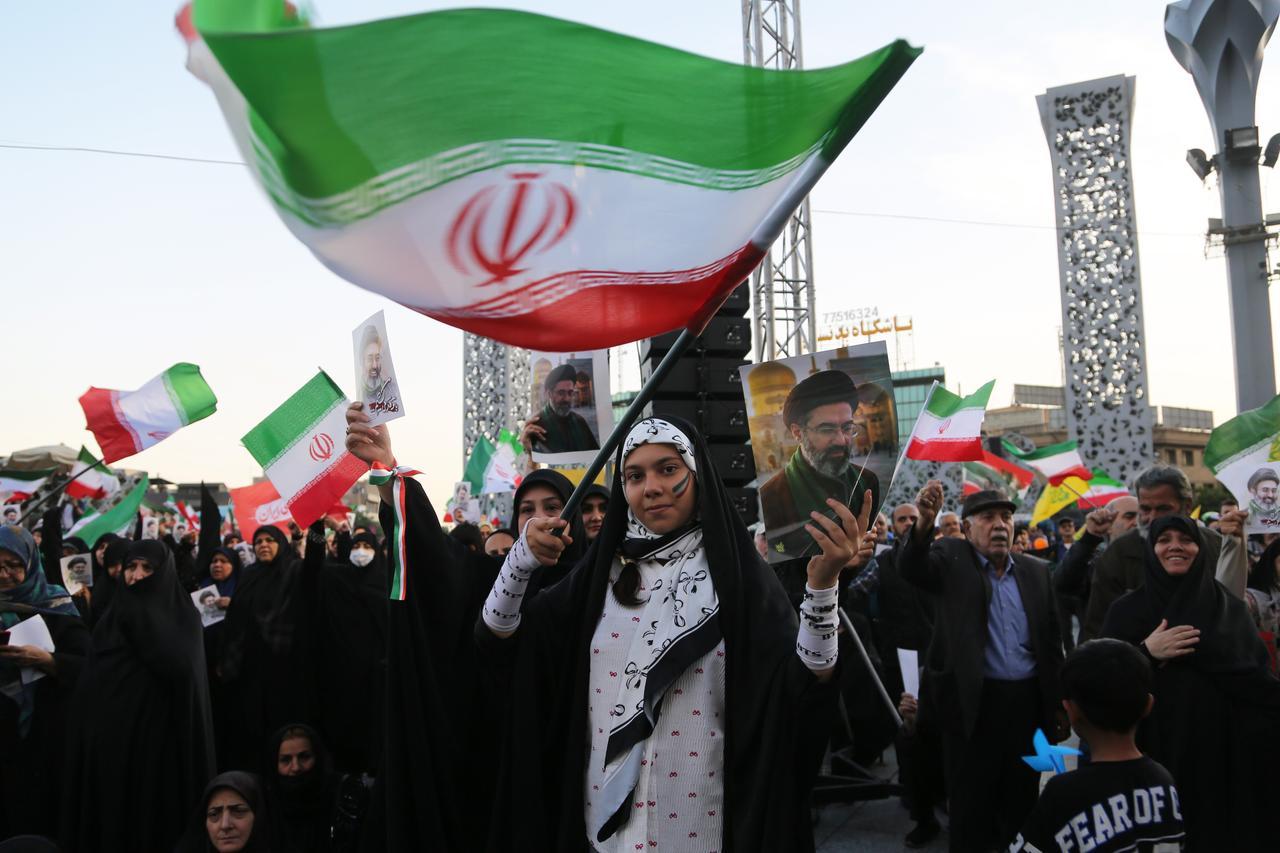
It also described the blockade’s scale, saying the closure of the strait had choked off “20 percent of the world's oil and gas supplies,” and it warned that the blockade had increased concerns about an economic downturn.
DW added that despite Trump’s claim that hostilities had ended, “the US Navy continuing to enforce a blockade of Iranian ports and shipping” remained in place, while Tehran maintained control of the strait, “choking off energy and fertilizer supplies, among others, from the Persian Gulf.”
PressTV asserted that Iran’s position is that it has “no intention of reopening the Strait of Hormuz” as long as the blockade remains, and it said the U.S. blockade of Iranian ports “has also failed to achieve its stated aim of cutting off Iran’s oil revenues.”
Middle East News described the economic consequences in operational terms, saying Iran “is no longer able to export about 1.6 million barrels of oil per day, as it did before the blockade,” and it warned that declining exports could lead to “a crisis of increasing its oil stockpile” and “future production stoppages.”
DW reported U.S. State Department approval of military sales totaling “over $8.6 billion (€7.3 billion)” to Israel, Qatar, Kuwait and the UAE, including “Patriot air and missile defense systems to Qatar worth $4 billion” and “precision weapons systems to Israel for nearly $1 billion.”
Finally, the Korea Times described Iranian military posture, saying Iran has “activated air defences and plans a wide response if attacked,” and it quoted the warning that a U.S. attack would trigger “long and painful strikes” on U.S. regional positions.
More on Iran

Trump Administration Says Iran War ‘Terminated’ as War Powers Deadline Nears May 1
16 sources compared
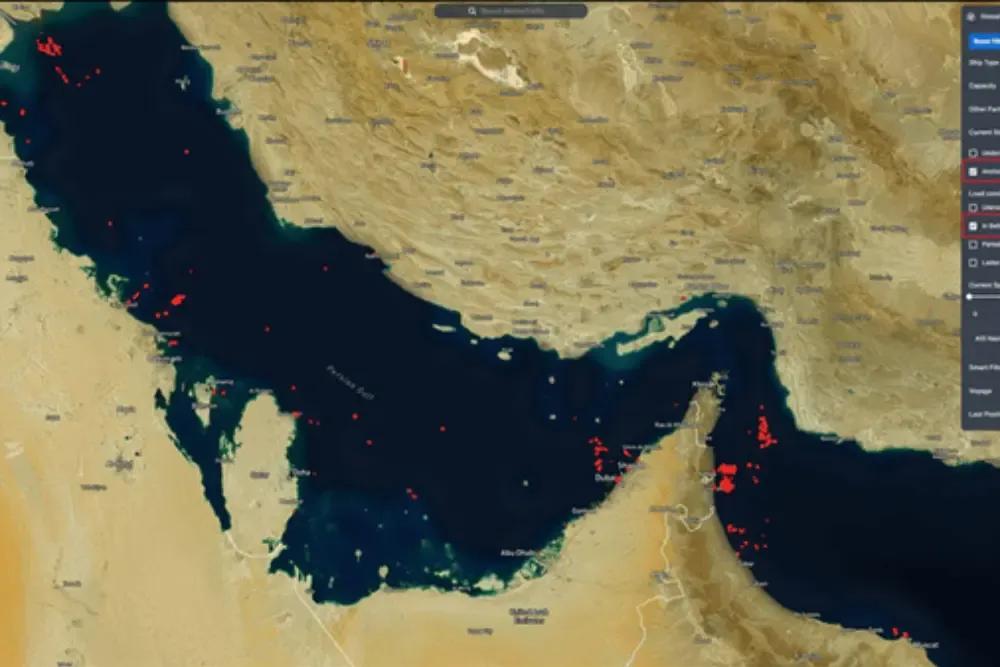
U.S. Treasury Warns Shippers Not to Pay Iran Strait of Hormuz Tolls
11 sources compared

Donald Trump Tells Congress U.S. Hostilities With Iran Have Terminated Ahead of War Powers Deadline
19 sources compared
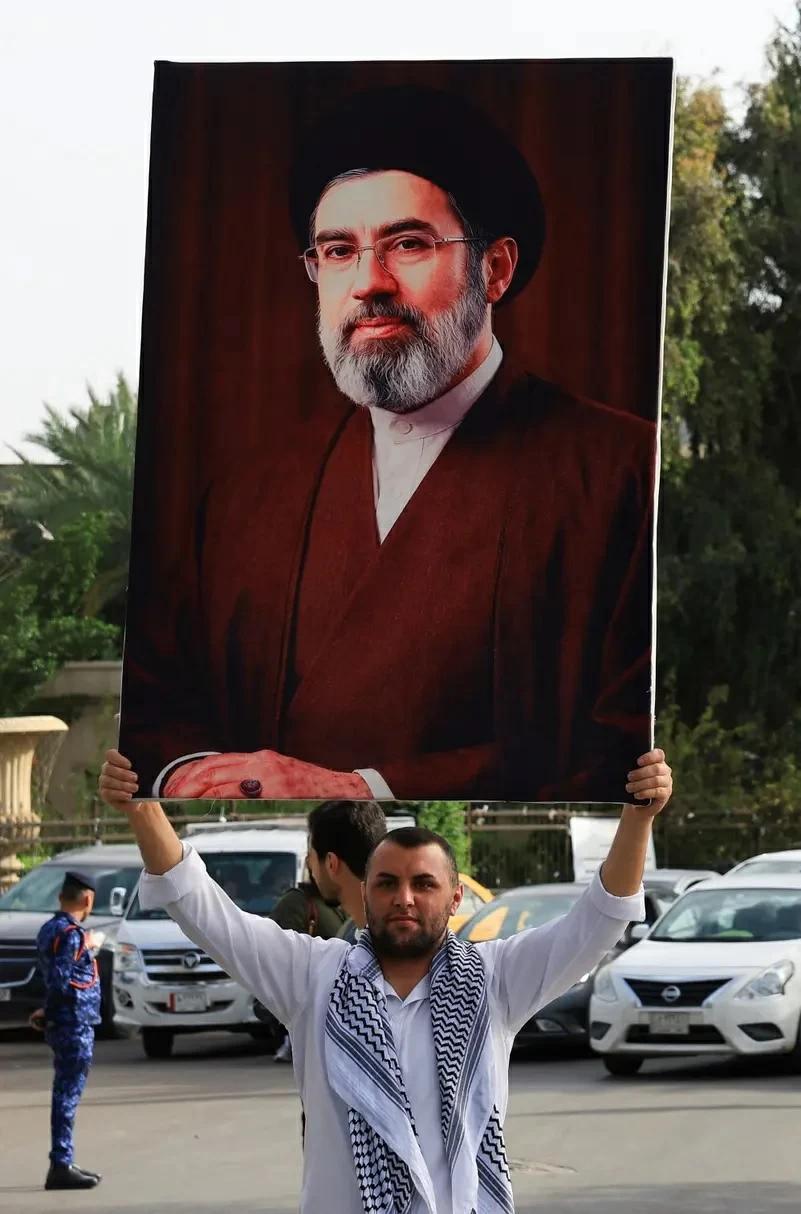
Iran Officials Say Supreme Leader Mojtaba Khamenei Is Stable, Dismissing Health Rumors
14 sources compared